Metro Line 1 in Ho Chi Minh City has passed the 20 million passenger mark as the city marked the start of 2026 with expanded services and the opening of its first priority bike lane. Authorities reported that total ridership on the line has reached approximately 20.56 million trips, about 121.6% of the planned target.
Ho Chi Minh City metro reaches milestone
The busiest day for the line came on 1 January 2026, when passengers flocked to central stations such as Bến Thành. Many travellers chose common journeys between Bến Thành and Suối Tiên or Bến Thành and Thảo Điền, while the station concourses and pedestrian bridges became popular spots for photos and social media check-ins.
To cope with increased demand, the operator, Metropolitan Urban Railway Company No.1, deployed additional staff across stations to guide passengers. Key stations, including Bến Thành, received support from police to maintain order. New amenities installed across stations before the New Year included cashless ticket vending machines and drink dispensers, improving convenience for commuters.

On New Year’s Day the operator ran 256 services between 05:00 and 23:00. During the midnight hours leading to 1 January, an extra 20 trains were added and services extended from 00:30 until around 02:15 to ferry nearly 13,000 people into the city centre for fireworks and celebrations. The company also offered free travel on the metro for all passengers on 1 January as part of the holiday arrangements.
New bike lane supports green travel
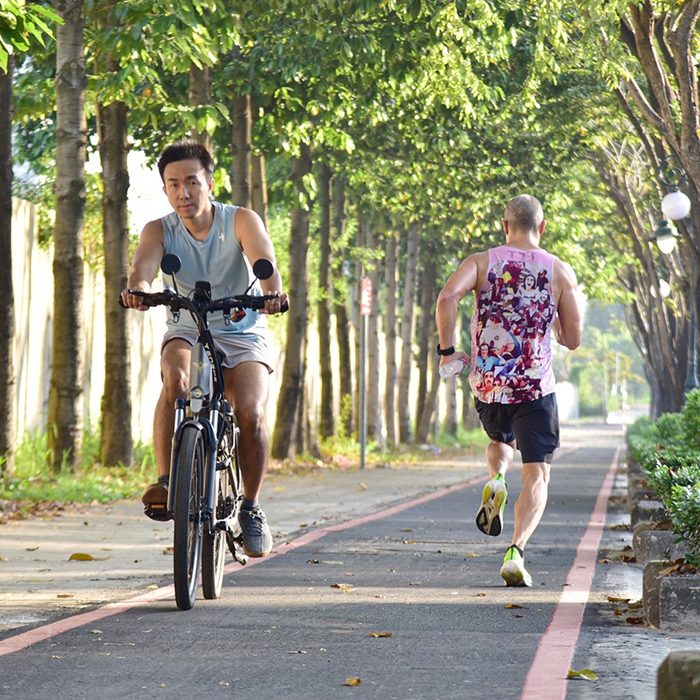
Alongside the metro milestone, the city inaugurated its first priority bike lane on Mai Chí Thọ on 31 December 2025. The separated lane runs for about 5.8 kilometres and is generally two metres wide, narrowing to 1.5 metres where it crosses bridges. The design speed for cyclists is 20 km/h. The project cost is reported at 12.7 billion VND and includes integrated features such as bicycle stations, lighting, lane markings and signage.
Officials say the dedicated lane offers a safer option for cyclists by separating them from motorised traffic and by providing a tree-lined route that enhances comfort. Early users described the route as pleasant and relaxing. One commuter, Diệu Hiền, 28, said she rode the length of the corridor twice on New Year’s Day to enjoy the fresh air and to avoid mingling with scooters and cars. She expressed hope that more bike lanes would be introduced across the city to improve everyday mobility.
City planners and transport authorities expect the combined improvements to public transit and active travel infrastructure to encourage sustainable commuting, reduce traffic conflicts and raise the overall quality of urban public space. Upgrades at stations and the introduction of non-cash ticketing aim to attract new riders while ensuring smoother passenger flows.
As Ho Chi Minh City continues to scale its transport offerings, the twin steps of expanded metro services and the new priority bike lane point to a broader push for greener, safer and more user-friendly urban mobility in Vietnam.
Key Takeaways:
- Ho Chi Minh City metro surpasses 20.56 million passengers after early 2026 services, highlighting growing public uptake.
- Metro Line 1 ran extended services and offered free rides on 1 January to meet demand.
- Vietnam opens its first priority bike lane along Mai Chí Thọ, a 5.8-kilometre, 2-metre-wide route to promote green transport.
- Improved station amenities and increased staffing aim to enhance passenger experience and safety.