Vietnam enters 2026 with a string of major policy decisions and a clear eye on turning plans into measurable results. The most striking change is a broad administrative reform spanning central and local government. Leaders have pushed for a leaner structure and a two-tier local government model intended to reduce overlap, sharpen coordination and attach clearer accountability to decision making.
Vietnam administrative reform in 2026
The reform is not a narrow exercise in redrawing boundaries. It is an effort to redesign development space and reallocate resources more effectively. Authorities expect that a slimmer bureaucracy will accelerate decision making and reduce duplicated functions. Yet officials and analysts acknowledge that slimming headcount is only the start. The ultimate measure will be whether services reach citizens more quickly and whether administrative procedures become less burdensome.
There are familiar transitional frictions. Institutional structures can be reshaped rapidly, but operational capacity takes longer to build. If data remain siloed, procedures remain complex, public servants lack digital skills and cross-sector coordination is weak, then a leaner organisation will not necessarily be a more effective one. The real test for reform will be frontline outcomes: faster case processing, fewer steps for citizens and less back-and-forth for applicants.

The raft of recent resolutions signals a development strategy that leans on system strengths. Science and technology, innovation and digital transformation are positioned as central growth drivers. The private sector is explicitly recognised as a partner in development, while law is used more actively as a management tool. Reforms in energy, education and health aim to raise welfare, improve elderly care and upgrade the quality of the workforce for Vietnam’s future economy.
Despite the ambition, implementation is the largest hurdle. New resolutions require concrete delivery mechanisms, stable funding and officials who will carry responsibility to completion. Strategic technologies must move beyond policy papers into laboratories, factories and markets. That demands clear commissioning mechanisms, highly capable personnel and an ecosystem of data, capital and infrastructure that enables private firms to participate on equal terms.
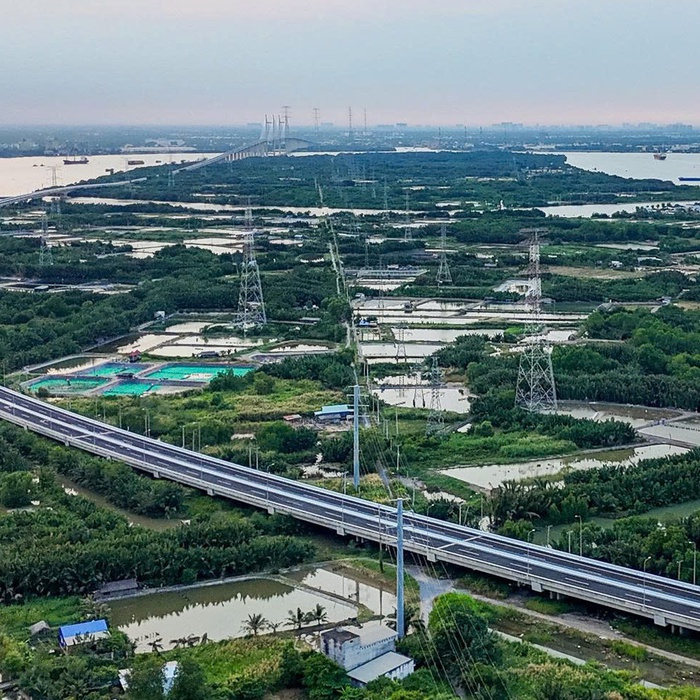
Infrastructure investment accelerated in 2025 and remains central to growth. Roads and digital networks are the arteries of development, but high-speed links alone are not enough. A highway lacks impact if it is not connected to local roads and logistics, and digital infrastructure yields limited returns without interoperable data, strong cyber security and a digitally skilled workforce. Capital must be matched by governance and planning after construction to secure long-term benefits.
Policy changes in tax, education and health will have immediate effects on millions of livelihoods. For these areas, reformers must temper ambition with practical, phased implementation. Clear transition timelines, user-friendly guidance, support tools and effective feedback channels are essential to avoid disruption and build public trust.
As 2026 unfolds, citizens will be watching for concrete improvements rather than proclamations of intent. The questions that matter are simple: are procedures faster, do businesses find it easier to operate and do people feel more secure in their lives? If answers to those questions are positive, the reforms will have proved their worth. The expectation now is for visible, measurable change that translates policy into daily reality.
Key Takeaways:
- Vietnam administrative reform aims to streamline government and boost accountability while redesigning development space.
- Key priorities include digital transformation, science and innovation, and stronger private sector participation.
- Implementation challenges remain, notably data fragmentation, skills gaps and the need for clear delivery mechanisms.
- By 2026 the test will be citizen experience and business ease, not organisational charts.