











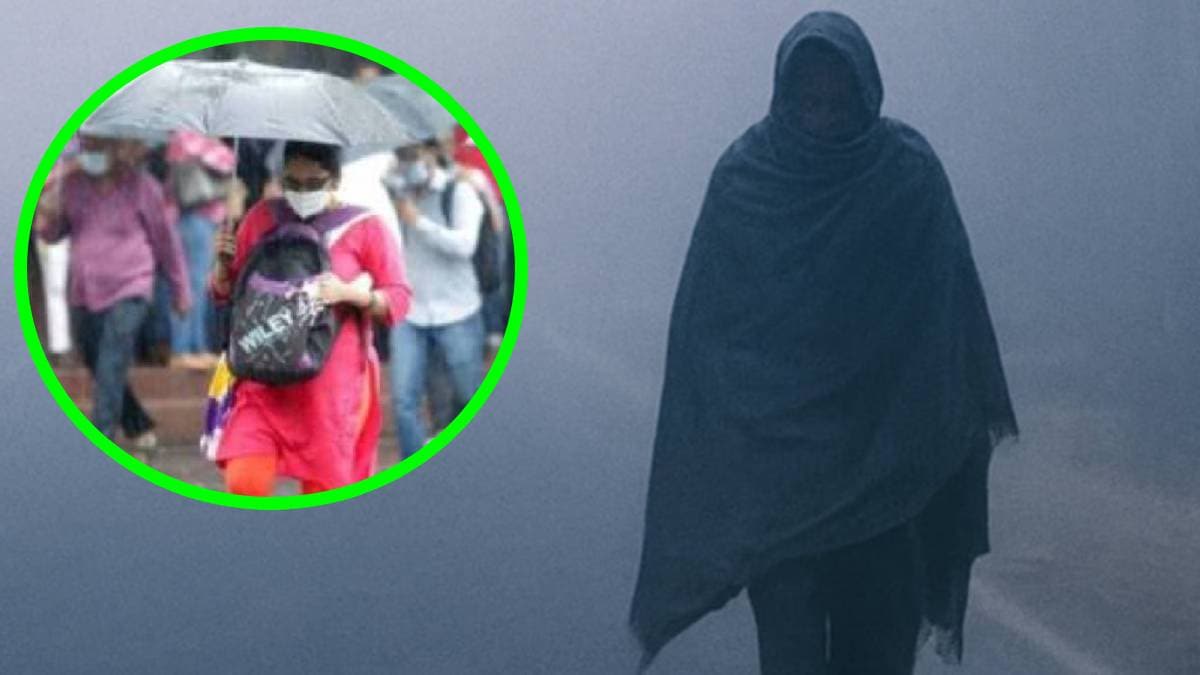
The Indian Meteorological Department (IMD) has issued its seasonal outlook for January to March 2026, signalling that cold conditions seen in December are unlikely to ease quickly. While the intensity of the cold may ease slightly, nights are expected to remain colder than the long-term average across parts of north and central India, including Vidarbha.
India weather forecast — January to March outlook
According to the IMD bulletin released on Thursday, minimum night temperatures in January are likely to remain below the monthly average across north and central India. States highlighted include east and west Uttar Pradesh, Uttarakhand, Haryana, Punjab, Himachal Pradesh, Jammu and Kashmir and Ladakh, as well as Madhya Pradesh, Jharkhand and Vidarbha in central India.
The department has also noted the probability of a higher-than-average number of cold-wave events in these regions during the period. Central India could experience one to two distinct cold spells, producing sharp drops in night temperatures and brief periods of markedly chillier conditions.

Rain patterns and regional contrasts
IMD’s outlook for precipitation is mixed. For January specifically, Vidarbha and much of central India are likely to see below-average unseasonal rainfall. However, when the January-to-March quarter is considered as a whole, total precipitation over the period is expected to be above the long-term average, with central India and the plains of Uttar Pradesh showing the strongest signals for greater-than-average rainfall.
These contrasting signals suggest a season of extremes: cold mornings and nights, relatively warm afternoons in some areas, and an increased likelihood of rain across several regions as the quarter progresses. Such variability is expected to produce a combination of dry and wet spells rather than a steady trend.
Impacts on agriculture and daily life
The IMD has warned that sharp day-to-night temperature fluctuations could affect sowing, crop growth and pest dynamics. Warmer daytime temperatures combined with cold nights can stress crops and change irrigation needs, while an uptick in rainfall through March may ease water shortages but also increase the risk of waterlogging in low-lying fields.
For residents, the forecast implies continued need for winter precautions. Farmers should monitor local forecasts and advisories closely, plan irrigation and crop-protection measures where required, and authorities should be prepared for ad-hoc cold-wave relief measures. Urban populations may notice chilly starts and relatively warm afternoons on the same day.
IMD’s seasonal assessments help governments and communities plan ahead. With the department indicating both persistent cold spells and a likely increase in cumulative rainfall for the January–March period, stakeholders from agricultural, health and disaster-management sectors should remain vigilant and prepare for variable conditions in the weeks ahead.
Key Takeaways:
- Indian Meteorological Department warns cold waves may persist in north and central India during January, with nights likely colder than average.
- Central India may see one to two cold spells, while daytime temperatures could run above average, producing chilly mornings and warmer afternoons.
- The India weather forecast indicates below-average rainfall for January in Vidarbha and central India but an overall above-average rainfall trend from January to March.
- Fluctuating temperatures and varying rains could affect crops and daily life across the affected regions.








