Russians can pick up substantial short-term earnings this New Year, with online job listings showing pay from 70,000 to 200,000 rubles for seasonal roles, according to data cited by domestic media from the services Rabota.ru and Podrabotka. The vacancies span tourism, logistics and retail, reflecting heightened demand over the holiday period.
Russian holiday jobs: who stands to gain
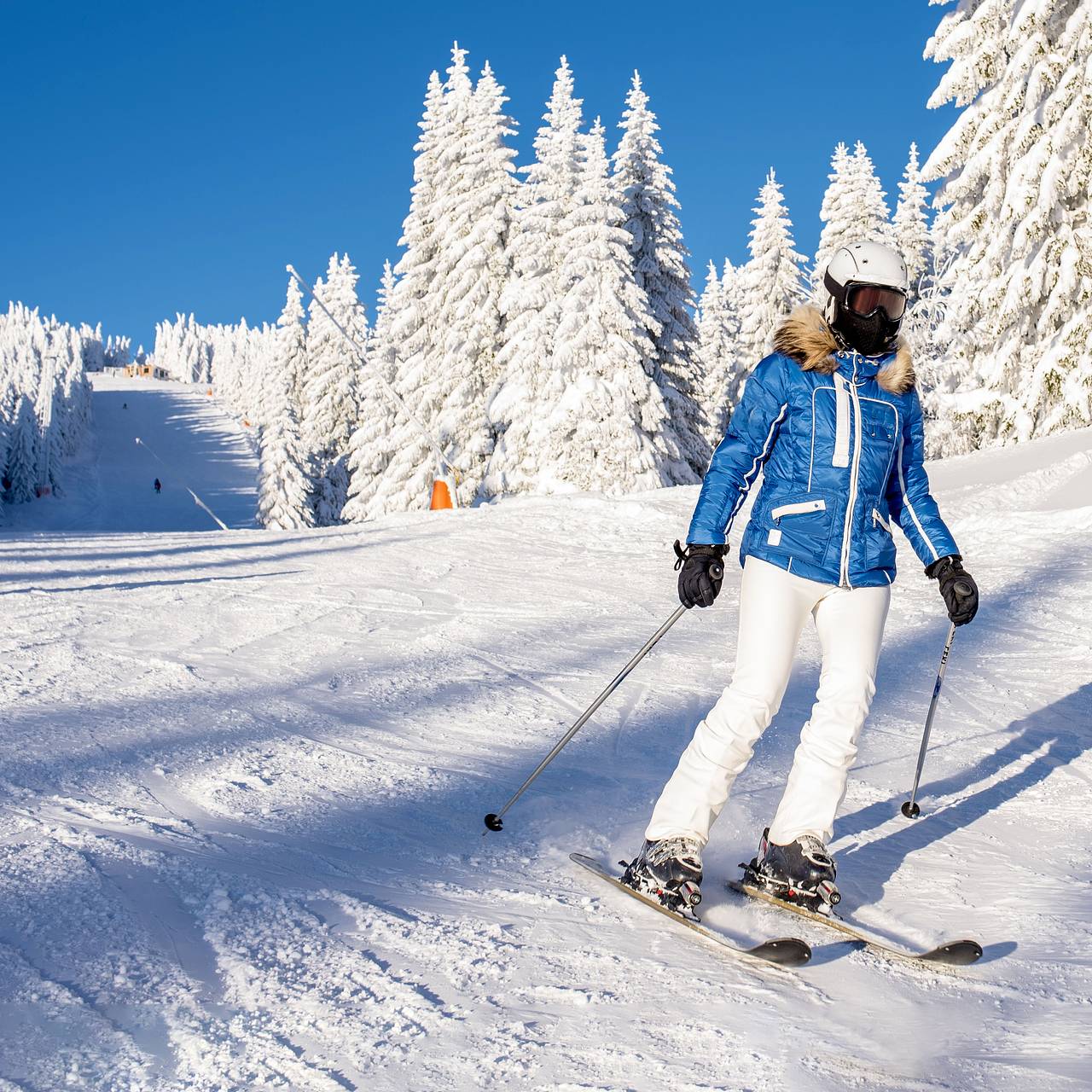
Some of the highest offers are for ski instructors at a resort on Sakhalin, where postings advertise salaries of up to 200,000 rubles. In Tambov, courier roles with part-time hours — from around four hours a day — list total pay as high as 160,000 rubles for the season. In Sochi, companies seeking packers for confectionery and gift sets indicate earnings of up to 128,000 rubles for holiday shifts.
Not all roles carry the same pay. Listings for children’s entertainers in Moscow show maximum payments of about 80,000 rubles, while a cashier position at a pyrotechnics store in Kazan offered roughly 70,000 rubles. The variation reflects differences in seasonal demand, required skills and the intensity of work during peak periods.

Employers across the country are using short-term contracts and seasonal hires to meet a spike in consumer spending and travel. The range of advertised wages suggests that temporary roles can provide meaningful supplementary income for students, part-time workers and those looking to top up savings at the turn of the year.
Beyond headline figures, the listings generally point to a mix of conditions. Some positions require full-day shifts or several hours per day, while others are geared to night or weekend work. Candidates may be expected to handle basic tasks such as customer service, order packing and delivery, or to bring professional qualifications where relevant, for example as ski instructors.
Labour market analysts say that seasonal hiring is a predictable feature of holiday periods, but the prominence of high-paying short-term offers this year underlines the pressure on businesses to scale up operations quickly. For workers, the advantage is clear: concentrated work over a short period can yield relatively high pay compared with regular monthly wages.
There are broader implications for local economies. Short-term earnings can support household spending during the holidays and help businesses maintain service levels during peak demand. At the same time, reliance on temporary labour can present challenges for workforce continuity and quality, especially in tourism, where training and experience affect customer satisfaction.
Separately, lawmakers in the State Duma have recently discussed new ways of organising wage payments, signalling possible shifts in how employers and employees handle compensation. Any regulatory changes could affect seasonal pay arrangements in the coming years.
For jobseekers, the period offers an opportunity to secure extra income while gaining experience in customer-facing and logistics roles. Those interested should review listings carefully, confirm working hours and conditions, and weigh any benefits such as accommodation or travel support where provided.
Key Takeaways:
- Russian holiday jobs are being advertised with pay ranging from 70,000 to 200,000 rubles for the New Year period.
- High-paying short-term roles include ski instructors on Sakhalin and couriers in Tambov, while other seasonal posts appear across Sochi, Moscow and Kazan.
- Demand for temporary staff in tourism, delivery and retail is creating opportunities for quick earnings and supporting local labour markets.