











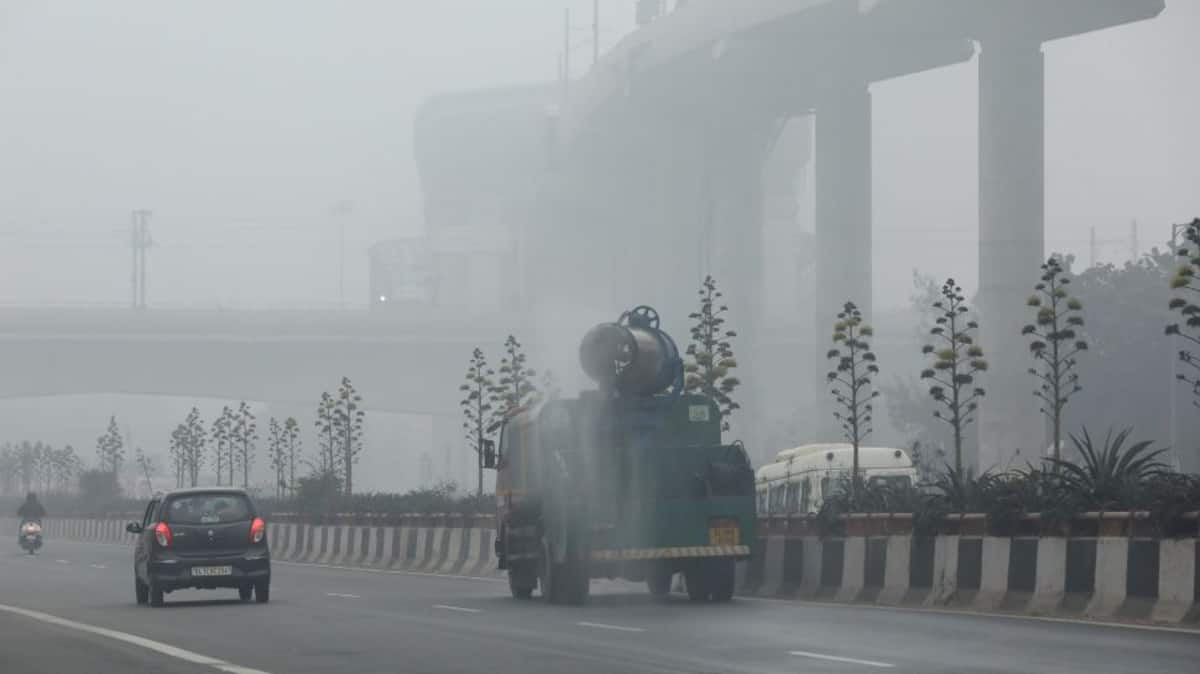
Delhi’s Environment Minister Manjinder Singh Sirsa on Thursday said the capital recorded its cleanest air in eight years in 2025, attributing the improvement to sustained, science-driven measures and targeted interventions. Officials pointed to reductions in particulate levels and a higher number of days categorised as having good air quality as evidence that policies are delivering results.
Delhi cleanest air 2025 progress and the data
Key indicators show a measurable decline in pollution compared with 2024. Average PM2.5 concentrations fell from 104 micrograms per cubic metre in 2024 to 96 in 2025. PM10 levels dropped from 212 to 197 micrograms per cubic metre over the same period. According to an official statement, Delhi recorded an AQI below 200 for nearly 200 days in 2025, an improvement of roughly 15 per cent compared with the previous four years.
Sirsa said the capital’s residents entrusted the government with a mandate to improve air quality and that cleaner air remained a top priority. “The highest number of ‘good air quality’ days in 2025 demonstrates that targeted interventions are delivering results,” he said, while acknowledging a recent dip in air quality over the past month.

Officials have credited a combination of regulatory action, stricter enforcement of emissions standards, traffic management measures and seasonal planning for the gains. However, they caution that progress is incremental and vulnerable to short-term factors such as weather and local emissions spikes.
Cold weather and short-term setbacks
Winter conditions tightened their grip across north India on Thursday, with light rain reported in some areas as the new year began. The India Meteorological Department recorded a minimum temperature of 10.6°C in the capital and a maximum of 17.3°C, about two degrees below the seasonal average. The IMD also reported Delhi’s coldest December day in six years on Wednesday, with a daytime maximum of 14.2°C.
Shallow fog on Thursday morning reduced visibility in parts of the city. Palam and Safdarjung reported visibility around 500 metres at 7.30 am, affecting early movement. The weather department has warned of sharper cold conditions from 3 January, when northerly winds from the Himalayan region are expected to intensify the chill and may affect pollutant dispersion.
Current air quality status and concerns
Despite the annual improvements, air quality remained a pressing concern on Thursday. Central Pollution Control Board data showed an overall AQI of 371 at 10 am, placing the capital in the very poor category. Twenty-eight monitoring stations reported very poor conditions and eight stations were in the severe category. Sonia Vihar was the most polluted area, recording an AQI of 420.
Experts say seasonal dynamics and localised emissions—construction dust, vehicle exhaust and industrial activity—can cause acute deteriorations even amid longer-term improvement. Authorities urged residents, particularly those with respiratory conditions, to take precautions during high pollution days and for policymakers to sustain the measures that have produced the annual gains.
The contrasting data underlines a central challenge: achieving consistent air quality improvement across seasons requires not only year-round policy enforcement but also adaptive measures for winter months. For now, officials point to 2025’s overall metrics as evidence that the capital is moving in the right direction while recognising the work that remains.
Key Takeaways:
- Delhi cleanest air 2025: capital logged the highest number of good air days, with PM2.5 falling from 104 to 96 µg/m³ and PM10 from 212 to 197 µg/m³.
- Nearly 200 days with AQI below 200 in 2025, an improvement of about 15% versus the previous four years.
- Despite overall gains, short-term winter pollution spikes left AQI in the very poor to severe range at several monitoring stations.
- IMD warns of colder weather from 3 January, which could affect dispersion and near-term air quality.








