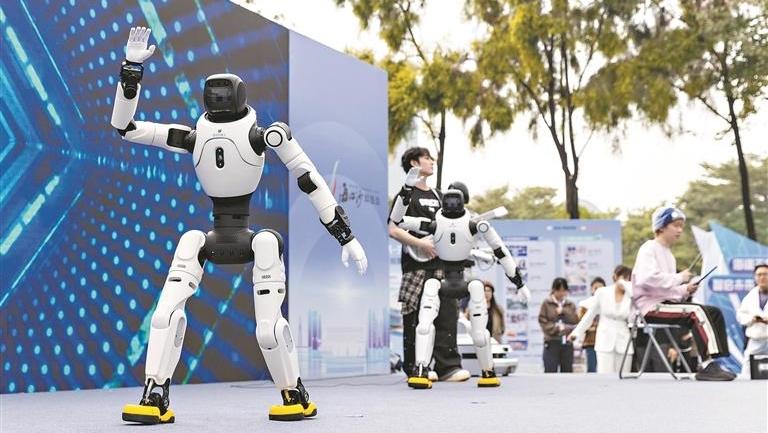
Across China, citizens and tourists marked the arrival of 2026 with a series of large-scale public events that combined centuries-old tradition and modern spectacle. From Beijing’s midnight bell-ringing at the historic Yongle Bell and synchronized drums at Juyongguan on the Great Wall to dazzling light shows in Guangzhou and drone displays in Nanjing and Tianjin, the country celebrated with both cultural pageantry and technological flair.
China New Year celebrations spark cultural and economic activity
The festivities generated strong footfall at major urban nodes and scenic sites. Guangzhou recorded a record metro day with 1,409.3 million passenger journeys on 31 December, a national high. Retail outlets reported brisk enquiries and sales in the first day of a national replacement subsidy scheme that aims to stimulate consumption for cars, appliances and digital devices. Organisers and local authorities said the combination of holiday travel, targeted policy support and special events produced a clear upward pressure on local economies.
Regions showcased distinct offerings that highlighted local heritage. In Gansu’s Dunhuang, more than 1,200 specially made lanterns illuminated public spaces and attracted tens of thousands of visitors. Anhui’s UNESCO-listed Hongcun village was transformed by traditional lantern processions through its stone alleys. In Inner Mongolia, an “ice and intangible heritage” themed gala blended winter sports with folk arts, while Heilongjiang’s Mohe drew tourists to experience northern ice landscapes and regional cuisine.

Cultural demonstrations and participatory activities extended beyond major tourist hubs. Fujian’s Fuzhou staged heritage craft demonstrations in its historic Kui Long Fang quarter. Shaoxing’s Fenghui town offered traditional opera and calligraphy sessions. In Yunnan, ethnic communities performed wooden-drum and bamboo-pole dances, and in Guizhou local residents carried out ceremony-style food preparations and collective dance events that reinforced community ties.
Public health and lifestyle elements were also prominent. Sichuan’s Beichuan hosted a large hiking event to encourage fitness and healthy living at the start of the year. Many local governments combined celebrations with safety campaigns and transport planning to manage high travel volumes during the holiday.
Several developments pointed to immediate economic effects. The new national subsidy scheme for replacing old products saw strong public interest on its first day, with retailers across automotive, home appliance and electronics sectors reporting elevated consultation numbers. Ports and transport hubs kept busy; Guangzhou’s Nansha port continued to handle large volumes of roll-on/roll-off vehicle exports, underscoring the region’s role in cross-border trade.
Officials and cultural managers emphasised that the events were designed to balance tourism, safety and heritage preservation. Authorities stepped up enforcement of traffic and public-safety regulations while also promoting cultural participation as a means to support local incomes and small businesses. The widespread array of activities provided an upbeat start to 2026 as cities reopened their cultural calendars and merchants welcomed stronger demand.
As the holiday period concluded, analysts said the combination of festive programming, policy incentives and resilient transport networks would likely help sustain consumer momentum into the new year. For households and operators alike, the opening days of 2026 signalled a renewed opportunity for cultural tourism and local economic recovery.
Key Takeaways:
- China New Year celebrations drew millions to nationwide events, from Beijing’s historic Yongle Bell to Dunhuang’s lantern displays.
- Festivities combined culture and commerce, with drone shows, fireworks and intangible heritage performances underpinning a surge in tourism.
- Transport and retail indicators rose sharply, highlighted by Guangzhou metro’s record single-day passenger volume and first-day demand for the national replacement subsidy.
- Local programmes emphasised public engagement and wellbeing, pointing to a positive start to 2026 for China’s cultural economy.