The central state broadcaster released a two-part special on 1 January that chronicles President Xi Jinping’s governing work through 2025. The programme presents a year in which the Communist Party leadership, with Xi at its core, guided the country through economic and social tests while maintaining steady progress on China’s modernisation path.
Xi Jinping 2025 leadership
According to the broadcast and regional reports, China met its main development targets for 2025. Officials and commentators cited resilient growth, stronger trade performance and renewed domestic consumption as markers of the year. Local data from Guangdong province underlined these trends: Guangzhou recorded a record single‑day metro ridership on 31 December, and the city’s transport network, ports and tourism hubs saw sustained activity over the New Year.
Guangzhou’s performance was a highlight. The metro system carried more than 1.4 million passengers in a single day, a national record, while the province reported a sharp rise in inbound foreign travellers through Baiyun airport, which processed over three million arrivals in 2025, up nearly 37 percent year on year. The southern port of Nansha also registered strong outbound volumes, including tens of thousands of vehicles loaded for export to overseas markets.

Economic stimulus measures and targeted policies helped spur consumer interest over the holiday period. On 1 January, a national replacement subsidy scheme for goods trade-in came into effect, prompting busy scenes across car dealers and electronics shops. Analysts suggested the policy, combined with holiday demand, contributed to a notable uptick in retail enquiries and sales in several cities.
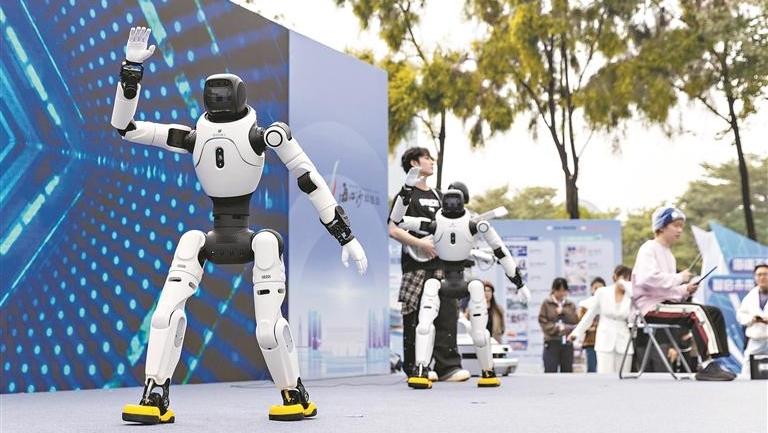
Beyond headline growth, the year saw continued emphasis on innovation and cultural development. The Haixinsha Technology Island initiative launched events and exhibitions that aim to blend cultural programming with technological demonstration, reinforcing the municipality’s ambition to be a national tech and culture hub.
Legal and environmental policy also advanced. The National Park Law took effect on 1 January, formalising protections and management systems for China’s national park network. Officials framed the change as a step towards more standardised conservation and long term ecological stewardship.
National and provincial leaders visited enterprises and research centres as part of year‑end inspections. At the same time, authorities announced targeted traffic and safety measures for the year ahead, including restrictions on hazardous goods vehicles during major holidays and campaigns to improve electric bicycle safety in urban centres.
The media special and accompanying reporting framed 2025 as a year of steady governance, with the leadership credited for navigating complex domestic and international conditions. International reaction to China’s New Year statements emphasised a commitment to continued reform and a constructive role in global affairs.
As China moves into 2026, the narrative from state and local sources stresses continuity. Officials expect that the policies, infrastructure investments and regulatory steps taken in 2025 will support a durable recovery in demand, stronger export links and deeper innovation outcomes in the months ahead.
Key Takeaways:
- Central TV special reviews China’s 2025 governance achievements under Xi Jinping, noting steady economic and social progress.
- Guangzhou set new records in transport and inbound arrivals while Nansha expanded vehicle exports, signalling stronger trade momentum.
- New initiatives such as the Haixinsha Technology Island and the National Park Law highlight innovation and environmental governance.