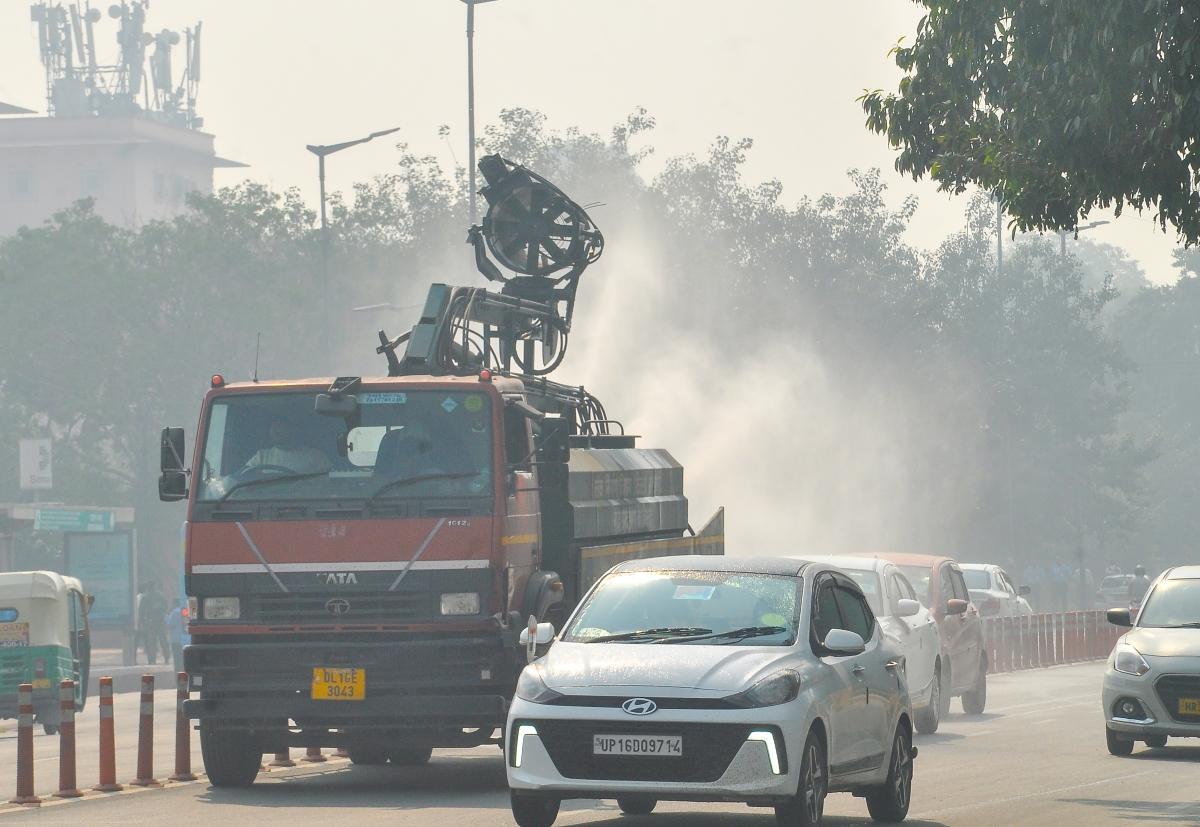
Winter conditions across Delhi and adjoining areas of the National Capital Region are set to deepen, the India Meteorological Department has warned, with cold wave conditions likely to persist at isolated locations between 2 and 5 January. While temperatures are forecast to fall further, pollution monitors reported a marginal improvement in air quality on Friday.
Delhi-NCR cold wave forecast and air quality
The IMD said a cold wave is declared when the minimum temperature drops between 4.5 and 6.5 degrees Celsius below the normal average. It also predicted dense to very dense fog during night and early morning hours at many places in Delhi until 6 January, reducing visibility and affecting road and air movement.
Although the mercury continued to dip, authorities recorded a modest easing in pollution levels. The Central Pollution Control Board noted a 24-hour average Air Quality Index of 380, keeping Delhi in the ‘very poor’ category overall. On Friday morning the real-time AQI read 386, indicating persistent health risks across the city.

Several monitoring stations recorded hazardous readings. Anand Vihar reported the worst AQI at 423. Other area readings included Dwarka Sector 8 at 338, IGI Airport at 259, ITO (CPCB) at 326, JLN Stadium at 362, Mundka at 347 and NSIT Dwarka at 411. Neighbouring cities also recorded improvements though pollution remained in the poor range: Noida 299, Gurugram 232, Faridabad 220 and Ghaziabad 300.
The IMD advised residents to take precautions during the early morning and late-night hours, when fog and low temperatures will coincide to increase exposure risks. Vulnerable groups, including older people, children and those with respiratory or cardiac conditions, were urged to limit prolonged outdoor exertion.
Visibility disruptions prompted airlines to issue advisories. Air India and IndiGo warned passengers that schedules may be affected by dense fog; IndiGo added that some flights were cancelled in advance to reduce passenger inconvenience. At 07:30, the status report for Indira Gandhi International Airport indicated CAT I operations were in progress, visibility measured at 1,300 metres, no diversions and overall normal operations.
Meteorologists pointed out that this period follows an unusually cold late December run, with Delhi recording its coldest day in December since 2019 on 31 December 2025. On that day the maximum temperature fell to 14.2 degrees Celsius, around 6.2 degrees below normal for the season.
Local administrations in the NCR typically respond to such cold spells with advisory notices, temporary warming centres where required and measures to keep transport and essential services running. Citizens are commonly advised to check official forecasts, allow extra travel time during foggy mornings and take precautions when commuting.
While a short-term improvement in AQI is welcome, experts caution that sustained progress depends on multiple factors including weather patterns, emission sources and timely policy action. For now, residents should prepare for colder mornings, limited visibility and continue to monitor air quality updates from the CPCB and local authorities.
Key Takeaways:
- Delhi-NCR cold wave expected at isolated locations from January 2 to 5, with dense fog overnight until January 6.
- Air Quality Index shows marginal improvement but remains largely in the ‘very poor’ to ‘severe’ range at several stations.
- Flight advisories issued, though IGI Airport reported normal CAT I operations with visibility at 1,300 metres.