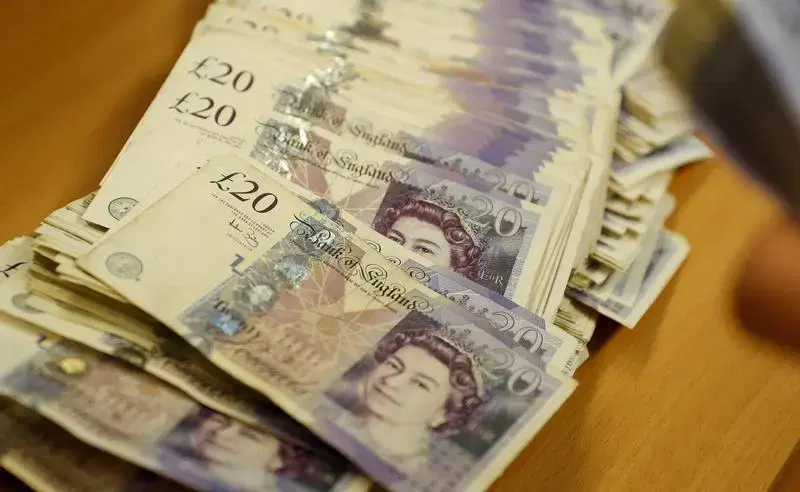
The Nigerian foreign exchange market opened trading on 2 January 2026 with modest movements in the British Pound to Naira pair as market participants assessed early-year flows. Institutional trading in the official Nigerian Foreign Exchange Market (NFEM) kept the pound within a tight range, while the parallel market continued to quote a premium reflecting immediate demand.
Pound to Naira exchange rate in official and parallel markets
In the official NFEM window, the British Pound started the day at about 1,949 NGN per 1 GBP. Rates saw only minor variation through the morning, briefly touching roughly 1,951 NGN before easing back towards 1,948 NGN by 06:00. The constrained trading band points to a cautious stance from institutional players and a measured liquidity approach from the Central Bank of Nigeria.
By contrast, the parallel market continued to trade the Pound at a premium. Dealers in Lagos and Abuja reported retail rates largely between 1,980 NGN and 2,010 NGN depending on transaction size and location. While the gap between official and parallel rates persists, it is narrower than the more extreme spreads seen in earlier years, a sign that steps toward market harmonisation are having some effect.

What is driving the Pound to Naira exchange rate movement
Analysts point to a combination of seasonal and structural factors. Holiday remittances from the Nigerian diaspora in the United Kingdom provided timely support for the Naira, supplying additional foreign currency at the start of the year and helping to prevent a sharper depreciation.
At the same time, persistent domestic inflation is limiting gains in the Naira’s purchasing power. High consumer prices place pressure on monetary policy and weigh on investor sentiment, which can translate into continued demand for hard currency.
Market participants remain alert to any interventions or policy signals from the Central Bank of Nigeria. Even modest CBN operations or guidance can influence short-term liquidity and pricing in the NFEM, especially during a holiday-shortened trading week.
Short-term outlook and key risks
Near-term movements in the GBP/NGN pair are expected to be sensitive to external and commodity developments. Oil price swings will be particularly relevant given the role of hydrocarbon receipts in Nigeria’s external position. A rise in export receipts would ease pressure on the Naira, while a prolonged decline in crude prices would amplify vulnerabilities.
Global dynamics affecting the British Pound, including United Kingdom economic data and broader sterling sentiment, will also feed through to the exchange rate. Traders should watch UK indicators and central bank commentary for signs of strength or weakness in the pound that could influence local pricing.
For now, the market exhibits measured volatility. If remittance inflows remain elevated and the CBN maintains a steady, predictable posture, the exchange rate should hold within the current bands. Conversely, any unexpected shocks to oil revenues or sharp shifts in global interest rate sentiment could widen spreads between the official and parallel markets.
Traders and corporates are advised to monitor FX windows closely and assess hedging options where appropriate. The opening trading behaviour on 2 January suggests cautious optimism, but the path for the Naira will depend on a mix of domestic price dynamics and external headwinds in the weeks ahead.
Key Takeaways:
- Official NFEM opens with the British Pound trading around 1,949 NGN, fluctuating within a narrow band.
- Parallel market quotes are higher, typically between 1,980 NGN and 2,010 NGN in major hubs such as Lagos and Abuja.
- Key drivers include holiday remittances, persistent domestic inflation and closely watched Central Bank interventions.
- Outlook remains sensitive to oil prices and global GBP strength, with short-term stability likely if remittance flows persist.