











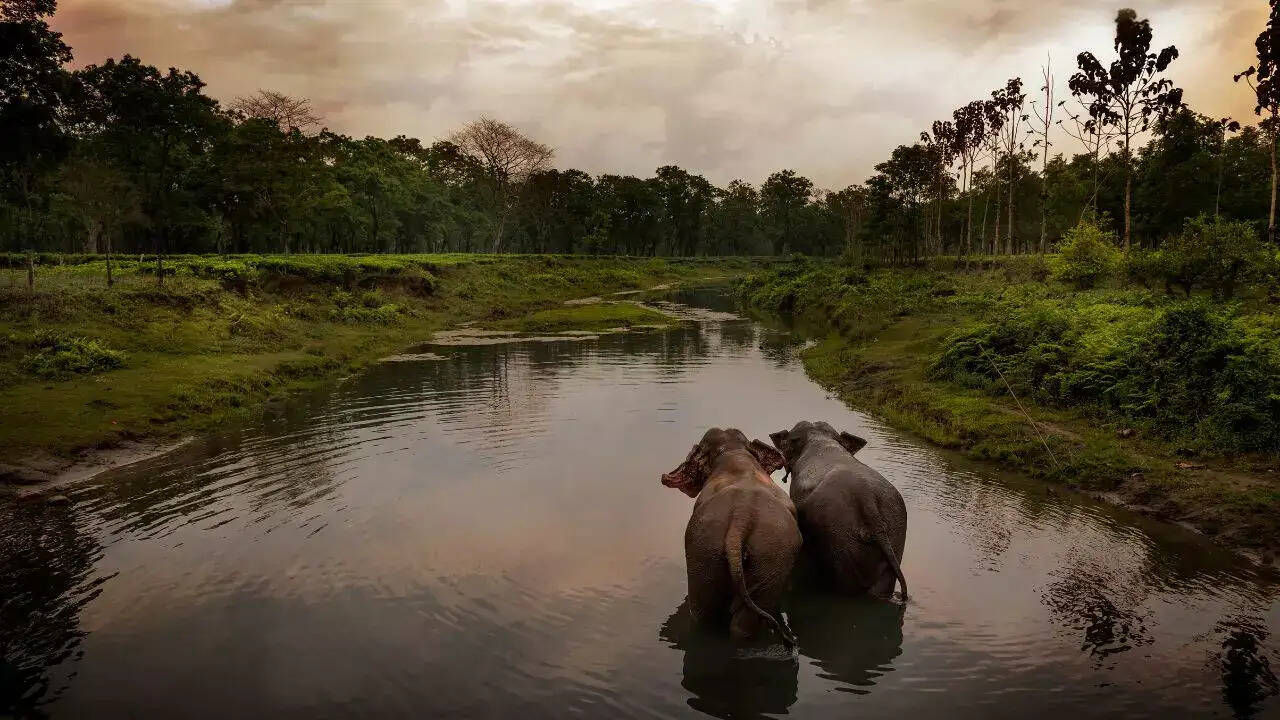
January is one of the best months to introduce children to wildlife travel in India. Cooler temperatures, clearer skies and sparser crowds make national parks easier to enjoy with young travellers, and several lesser-known reserves offer safe, engaging experiences away from the more crowded tourist circuits.
National parks in India for kids — what to expect
When planning a January trip with children, look for parks that offer short, guided safaris, boat rides and marked trails. Many of the parks below combine wildlife viewing with elements that appeal to families — waterfalls, floating islands, cultural stories and accessible viewing points. Respect local regulations and always book activities with licensed operators to ensure safety.
Manas National Park, Assam
A UNESCO World Heritage site, Manas sits at the foothills of the Himalaya and supports a wide range of species, from the golden langur to the wild water buffalo. Jeep safaris and boat trips on the Manas River introduce children to riverine habitats and fresh-water birdlife. The park’s conservation story and community involvement also make it a valuable learning experience.

Bhagwan Mahavir Wildlife Sanctuary, Goa
Most visitors come to Goa for beaches, but Bhagwan Mahavir offers a forested alternative amid the Western Ghats. Families can combine a short trek with a visit to Dudhsagar Waterfalls and guided walks that often reveal gaurs, deer and a variety of birds. The sanctuary’s trails are suitable for older children and make for a refreshing contrast to the coast.
Balphakram National Park, Meghalaya
Known locally as the “Land of Eternal Winds”, Balphakram features dramatic canyons, dense forests and cultural legends of the Garo people. The park’s high viewpoints provide good opportunities for spotting primates and endemic birds. For families who enjoy light trekking and learning about local folklore, Balphakram is a memorable choice.
Namdapha National Park, Arunachal Pradesh
Namdapha is remote and biodiverse, home to an exceptional range of mammals and birds. While deep jungle routes are best reserved for experienced trekkers, accessible buffer zones and ranger-led excursions offer safe wildlife viewing. Birdwatchers will especially enjoy the park’s richness, with more than 400 recorded species.
Khangchendzonga National Park, Sikkim
This UNESCO-listed park brings alpine scenery and cultural significance together. With views of the mighty Kangchenjunga, the area offers meadow walks and short, manageable trails for families. The chance to learn about local beliefs and spot high-altitude species adds an educational layer to any visit.
Dudhwa National Park, Uttar Pradesh
Close to the India–Nepal border, Dudhwa’s grasslands and swampy habitats support barasingha (swamp deer), tigers and the Gangetic dolphin. The park tends to receive fewer visitors than more famous reserves, which increases the likelihood of undisturbed wildlife encounters. Guided safaris and river sightings are highlights for children.
Keibul Lamjao National Park, Manipur
Keibul Lamjao is the world’s only floating national park, located on Loktak Lake, and home to the endangered Sangai deer. The park’s floating phumdis (islands) are unique, and boat rides across the lake are both safe and captivating for young guests. The Sangai’s cultural significance provides an added storytelling element to visits.
Whether you choose river safaris in Assam, waterfall walks in Goa or the floating islands of Manipur, these lesser-known parks offer family-friendly wildlife experiences in January. Always check park opening dates, reserve permits and local weather before you travel, and favour licensed guides to make the trip safe and educational for children.
Key Takeaways:
- Plan a family-friendly wildlife trip: national parks in India for kids offer safaris, boat rides and birdwatching in January.
- Explore seven lesser-known parks across Assam, Goa, Meghalaya, Arunachal Pradesh, Sikkim, Uttar Pradesh and Manipur.
- Highlights include the floating Keibul Lamjao and UNESCO-listed Manas and Khangchendzonga, ideal for educational nature experiences.








