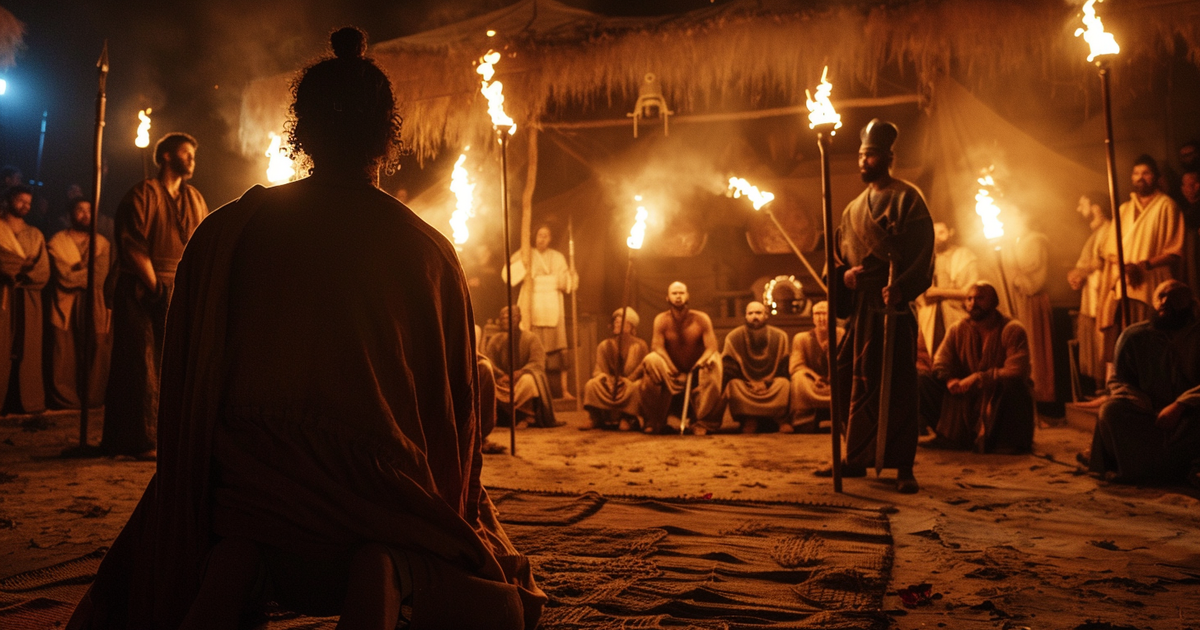
Russian television and cultural festivals have put a fresh spotlight on the enduring appeal of traditional contests and role-play. A recent edition of the programme on REN TV traced a range of ancient games from Mesoamerica to Europe and highlighted how modern historical reconstruction in Russia brings these practices back into public life.
Russian historical reconstruction as living heritage
Across the country, historical reenactment festivals stage everything from mock sieges to daily life demonstrations, inviting participants to adopt carefully researched roles. Reenactors portray warriors, craftsmen and merchants, wearing authentic garments and using hand-crafted tools. Organisers stress that accurate reconstruction demands scholarly research and craft skills, not mere entertainment.
Participants say the experience is immersive and instructive. Some seek the adrenaline of staged battles. Others value the chance to practise traditional crafts such as weaving, woodcarving or metalwork. Festival organiser and museum specialist Tatyana Fomicheva explained how costumes and accessories help convey social status and occupation, making the past tangible for visitors.

Ancient games and their modern echoes
The programme also revisited historical games with often brutal or ritualised origins. It described the ancient Mesoamerican ballgame played by the Maya and Aztecs. In some cultures the contest had a ritual dimension and could involve human sacrifice. A modern Mexican variant, ulam, survives mainly as a theatrical demonstration for tourists and uses a heavy rubber ball struck by hips and elbows.
In Europe, the Florentine calcio retains a reputation for rough play. Players use a leather ball and the sport is regarded by some historians as a predecessor to football and rugby. Meanwhile, in Russia traditional games associated with Maslenitsa, such as the light-hearted “Shapochki”, invite participants to snatch hats from opponents without resorting to contact fighting.
Reconstruction’s social and cultural value
Recreation of historic games and rituals serves multiple purposes. It engages audiences with living history, supports cultural tourism and preserves handicraft traditions. Psychologists involved in reenactment point to the activity’s formative benefits: role-play can allow adults to process unresolved feelings from childhood and cultivate community bonds.
Reconstruction groups also share expertise. Workshops on textile production, leatherwork and traditional weaponry help transmit specialised skills to new generations. Some artefacts, such as wooden game boards or hand-carved pieces, are displayed in museums, while staged events draw visitors to open-air camps and reconstructions of medieval settlements.
Beyond entertainment, these gatherings encourage dialogue between scholars, artisans and the public. They provide a platform for historians to test interpretations of material culture and for craftspeople to replicate historic techniques. As a result, festivals become a meeting point for education, tourism and cultural preservation.
Whether recalling ancient ballgames or staging a fortress assault, Russia’s thriving historical reconstruction scene shows how the past can be made present. By combining careful research, skilled craft and popular participation, these events keep traditions alive while offering meaningful experiences for participants and audiences alike.
Key Takeaways:
- Russian historical reconstruction events attract participants and audiences by reviving ancient games and traditions.
- Reenactors recreate rituals and contests from Maya ballgames to Florentine calcio, with emphasis on authenticity.
- Reconstruction festivals offer social, educational and psychological benefits while supporting cultural tourism.