Sverdlovsk Oblast has joined the leading Russian regions by both the total number of residents of pension age and the share of those who remain in work, according to data from the Russian Social Fund. The Ural region ranks only behind Moscow, the Moscow region, Krasnodar Krai and St Petersburg. Of roughly 1.3 million pensioners registered in Sverdlovsk, some 234,500 — about 18 per cent — continue to work.
Across Russia, the Social Fund puts the number of pensioners at more than 40.6 million, with an average pension of just over 24,000 roubles. That average masks wide variation: many receive around 40,000 roubles, while a substantial number subsist on as little as 18,000 roubles. Financial pressure helps explain why roughly 7.3 million older Russians remain economically active.
Working pensioners in Russia: demand and motivations
Local trade union and business representatives point to multiple reasons why many pensioners continue to work. Some seek to build additional pension points and increase future payments; others provide financial help to adult children. Many say they simply do not want to stop working — they would miss the routine and social contact.

“People continue for different reasons — to top up their pension, to support family, or because they are used to being busy,” says Sergey Ugrinov, head of the Sverdlovsk regional health workers’ union. “For many, leaving work would mean isolation rather than rest.”
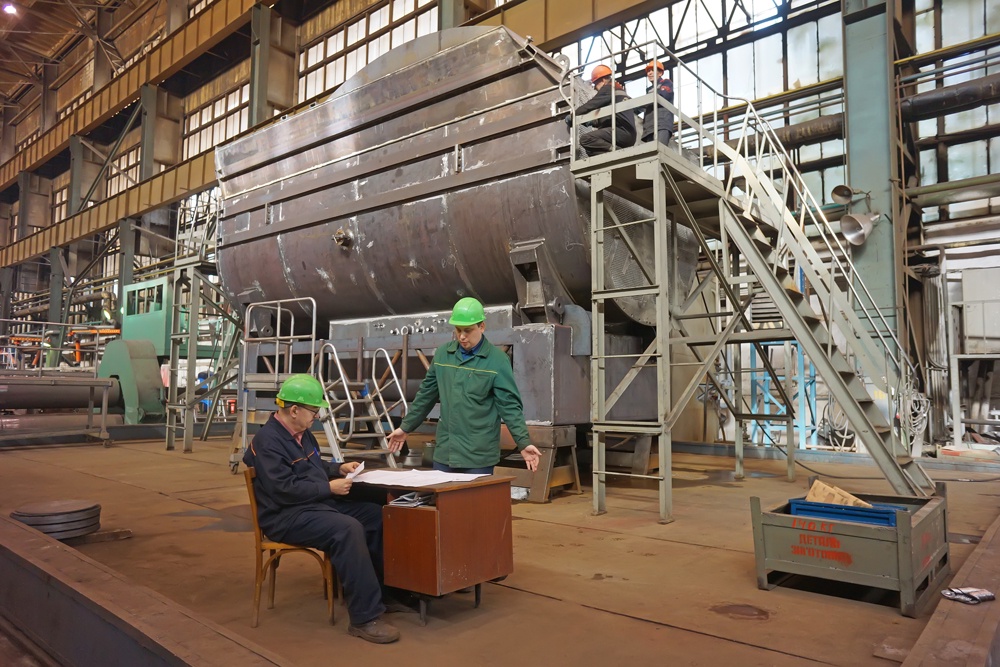
Employers, for their part, often welcome older staff. A human-resources manager at a metallurgical plant said experienced metalworkers are hard to replace and that, where medical checks allow, employees often work for decades. In administrative and accounting roles, pension-age staff provide steady performance and institutional knowledge, and small-business owners told a regional survey they have no intention of dismissing older employees when duties are allocated appropriately.
Small firms report that older workers are prized for reliability and lower turnover. “Young graduates can lack basic workplace skills; veterans know the job and take responsibility,” notes Konstantin Kholodilov of the Sverdlovsk small-business union. He adds that older specialists often accept lower wages, which can be attractive to employers facing rising labour costs.
However, the mix is not without tension. Employers say older workers suit systematic, well-defined tasks, while roles demanding rapid innovation or heavier responsibilities tend to go to younger staff. Meanwhile, recruitment data from the hh.ru service show a narrowing of opportunity: around 45 per cent of respondents aged 55 and over reported rejection for job openings because of their age.
Experts differ on policy implications. Olga Kozlova of the Ural Branch Institute of Economics argues that projects encouraging active longevity are necessary to integrate pensioners into the economy and soften labour shortages. By contrast, Maxim Maramygin, director of the Institute for Strategic Planning and Financial Analysis, suggests that the prevalence of working pensioners should prompt debate over the adequacy and structure of the pension age.
Public-opinion polling in the region reinforces the picture: 55 per cent of pension-age jobseekers say they look for work to avoid idleness, 54 per cent cite financial need and 6 per cent say they are the only earners in their household. Only 6 per cent of respondents aged 55 and over say they are ready to retire completely, while 59 per cent intend to keep working.
As Russia confronts demographic change and labour shortages, the experience of Sverdlovsk illustrates a broader national dynamic: many older citizens remain active contributors to the economy, valued for their skills and reliability, even as policymakers and employers weigh questions of age, fairness and workforce renewal.
Key Takeaways:
- Sverdlovsk Oblast ranks among the top five Russian regions for both the number and share of working pensioners, with 234,500 people (18%) still employed.
- Economic necessity and personal motivation drive many working pensioners in Russia; nationwide 7.3 million continue to work amid uneven pension levels.
- Employers value experienced older workers for reliability and specialist skills, while younger labour shortages and rising hiring ageism complicate the market.