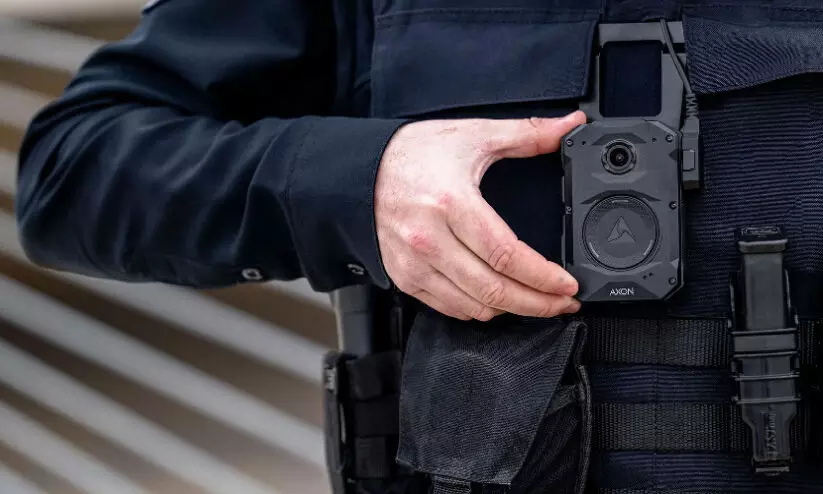
The Central Board of Indirect Taxes and Customs (CBIC) has ordered uniformed customs officers at India’s international airports to wear body-worn cameras (BWCs) while on duty, aiming to increase transparency and reduce disputes with travellers. The move affects officers assigned to baggage clearance, particularly those manning the red channel.
India customs body-worn cameras to strengthen oversight
Under the new directive, officers must switch on recording when they begin an interaction with a passenger and continue until the process is complete. They are required to inform travellers that recording is taking place. Cameras must be fitted on the right-hand side of the uniform so that visuals are unobstructed and clearly capture the interaction.
The CBIC has stipulated technical and operational safeguards. Only stand-alone cameras without Wi-Fi, Bluetooth or SIM capabilities are to be used, reducing the risk of unauthorised transmission. After every shift, recorded files must be transferred to a password-protected dedicated computer. Recordings are to be retained for a minimum of 90 days; where cases or investigations arise, footage must be preserved for a longer period. The order strictly forbids alteration or deletion of recordings.

Responsibility for issuing and managing the cameras lies with the relevant deputy or assistant commissioner, while vigilance divisions — through additional or joint commissioners — will handle the data. Officers must sign records showing the time they received and returned the device. When an officer is on break or assigned other duties, the camera must be returned. The directive also restricts camera use to official purposes only.
Officials said the measure is intended to resolve passenger complaints more rapidly, deter misconduct, and provide an objective record during inspections at arrival terminals. The requirement to notify passengers when recording begins is designed to protect privacy and ensure that interactions are clearly documented with informed consent where practicable.
Customs experts welcomed the move as a step towards greater accountability at ports of entry. By coupling fixed procedural rules with technical limits on data transmission, the CBIC seeks to balance oversight with data security. The retention policy and prohibition on tampering aim to preserve evidentiary value for enquiries or legal proceedings.
Implementation will require logistics: procurement of approved devices, training for officers on proper placement and use, secure storage systems for the footage, and clear local protocols for chain of custody. Observers noted that consistent enforcement and regular audits will be critical if the new regime is to reduce complaints and improve public confidence.
The CBIC order marks a broader trend among enforcement agencies to adopt body-worn cameras as a standard tool for promoting transparency. For passengers, the change should mean clearer records of interactions at customs counters and a reduced risk of disputes escalating due to lack of evidence.
Key Takeaways:
- India customs body-worn cameras mandated for uniformed customs officers at international airports to strengthen transparency and accountability.
- Officers must record interactions during baggage clearance, especially at the red channel, and inform passengers when recording begins.
- Footage must be transferred after each shift to a password-protected computer, retained for 90 days and preserved for longer if needed for investigations.