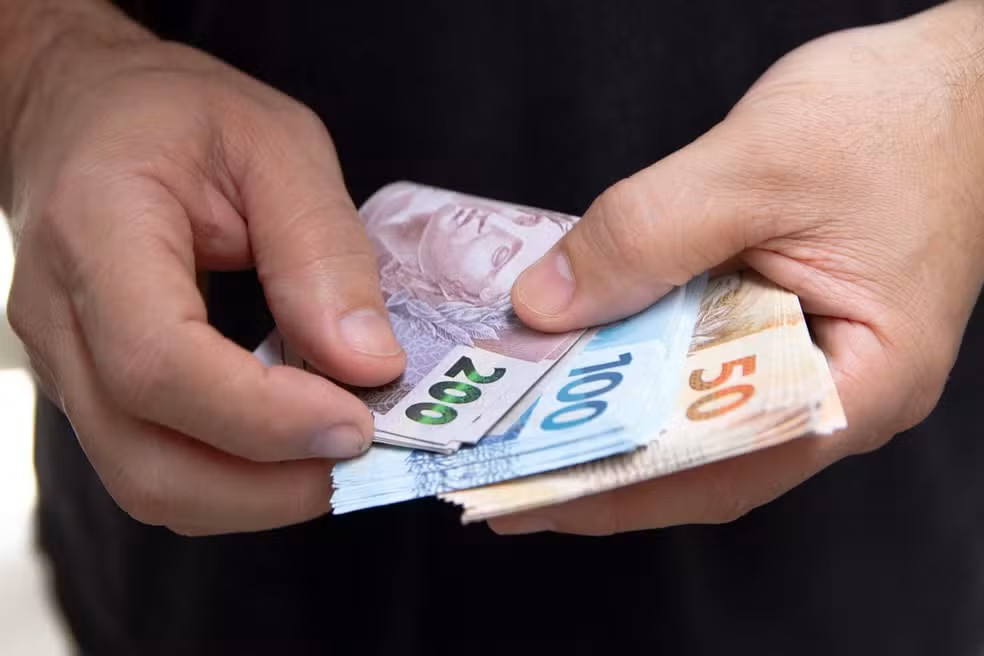
The national minimum wage in Brazil rises to R$1,621 from today, reflecting a 6.79% adjustment over the previous floor of R$1,518. The change, effective from 1 January, combines measured inflation with a capped real increase under the government’s fiscal rules.
The government calculated the new figure using the National Consumer Price Index (INPC) inflation of 4.18% for the 12 months to November plus a limited real gain of 2.5% set under the fiscal framework. Earlier projections had suggested a higher figure; the Budget for 2026 foresaw R$1,631 and a late-November government estimate put the number at R$1,627. A lower-than-expected inflation reading explains the divergence.
Brazil minimum wage 2026: who benefits and how
The rise immediately affects workers paid the minimum wage or multiples of it and millions of benefit recipients whose payments are tied to the floor. According to the inter-union research department Dieese, the minimum wage serves as a reference for around 59.9 million people in Brazil, including social benefits such as the Benefício de Prestação Continuada (BPC) and unemployment insurance.

Recipients will see the adjusted amounts reflected in benefit payments at the start of February. For formal employees, the change sets a new legal floor for monthly remuneration and feeds through to average wage statistics across the economy.
Under the Constitution, the minimum wage must be adjusted at least to match inflation to preserve purchasing power. The current administration reintroduced a policy of valuing the minimum wage by allowing a real increase tied to GDP growth. However, the 2026 adjustment limits that real gain to 2.5% to comply with the fiscal arcabouço, rather than using the full GDP growth figure.
By strict application of inflation alone, the minimum would have risen to about R$1,582. The combined inflation and capped real increase yields the final R$1,621 figure.
Budgetary effects and wider economic implications
Higher minimum wages increase mandatory federal expenditure because a range of social programmes and pensions are indexed to the floor. The government estimates that each R$1 increase in the minimum wage raises public spending by about R$420 million in 2026. The R$103 nominal rise therefore translates into roughly R$43.2 billion in additional mandatory costs next year.
Rising obligatory spending narrows room for discretionary government outlays and may constrain other policy areas. Some economists argue for unlinking certain benefits from the minimum wage and indexing them solely to inflation to contain long-term fiscal pressures. Supporters of the current approach counter that higher minimum wages strengthen household purchasing power and can stimulate domestic demand.
Beyond fiscal considerations, the adjustment will have immediate distributional effects. Lower-income households stand to gain the most in terms of nominal income, but labour market impacts will vary regionally and by sector. Policymakers will watch inflation and employment indicators closely in the coming months to assess secondary effects.
The new minimum wage sits well below earlier forecasts in official planning documents, but it represents a simultaneous attempt to protect purchasing power while respecting fiscal limits imposed by current law.
Key Takeaways:
- Brazil minimum wage 2026 increases to R$1,621, a 6.79% rise reflecting INPC inflation and a capped real gain.
- The adjustment affects about 59.9 million people, including benefit recipients such as BPC and unemployment insurance.
- The increase adds roughly R$43.2 billion to mandatory federal spending in 2026, limiting discretionary budget space.