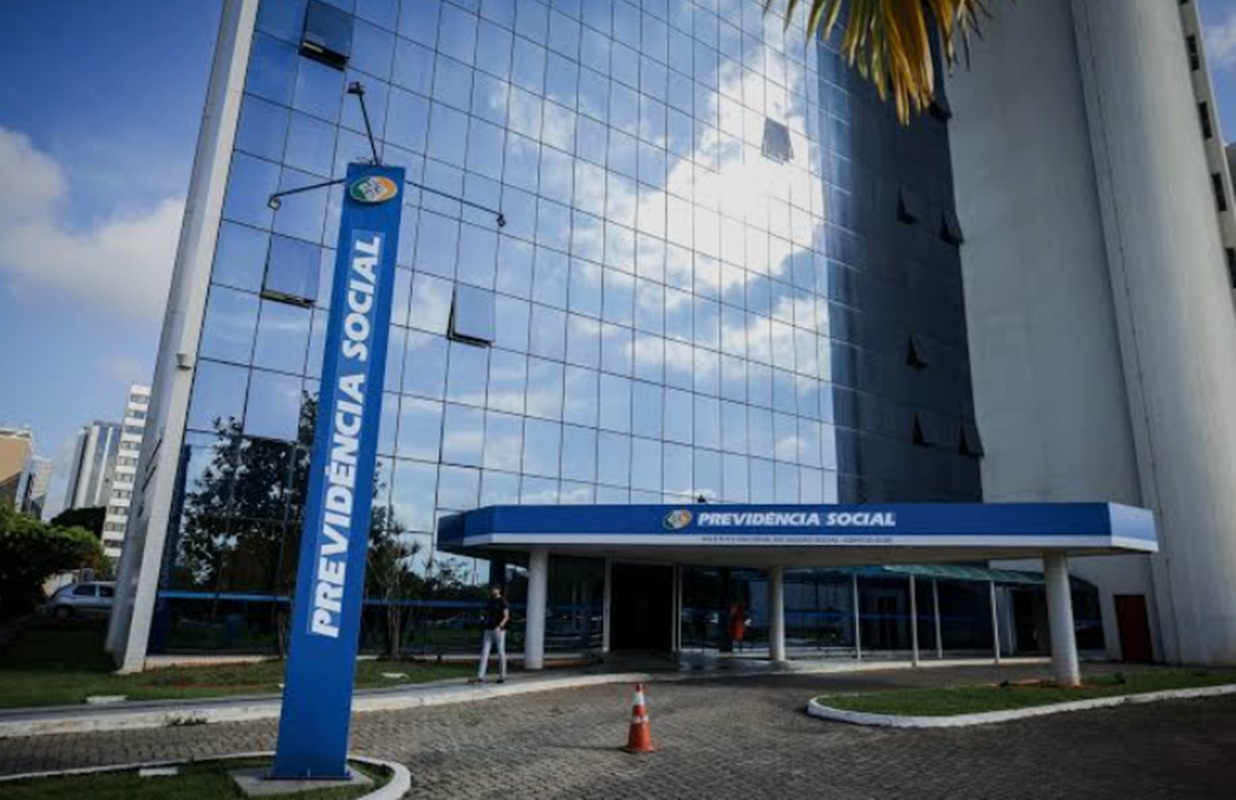
Brazil will see stricter retirement eligibility from 1 January 2026 as the next step of the 2019 pension reform comes into force. The adjustments are automatic under Constitutional Amendment 103 and do not require new legislation. For many workers this will mean postponing retirement by months or years if they have not already met the requirements.
Brazil retirement rules 2026 and who is affected
The main change for 2026 is an increase in the progressive minimum age. Women will now need to be at least 59 years and six months old with 30 years of contributions to the National Institute of Social Security (INSS). For men the minimum age rises to 64 years and six months, with a minimum contribution time of 35 years. These increments of six months each year will continue until the reform’s definitive ages are reached: 62 for women and 65 for men.
The alternative points system also becomes marginally more demanding. In 2026 the required totals will be 93 points for women and 103 points for men, preserving the minimum contribution periods. This represents an increase of one point compared with 2025.

How the rules operate and special cases
The transition rules established by the 2019 reform remain in place, including the so-called “pedágio” provisions for workers who were close to retirement when the reform passed. Those rules require an additional contribution period but apply to a shrinking group of workers who were near retirement more than six years ago.
Teachers in basic education continue to benefit from more favourable terms in recognition of the work’s penosities. Under the progressive age rule, female teachers will need 54 years and six months of age and 25 years of service in teaching, while male teachers must meet 59 years and six months and 30 years of effective teaching. Under the points system, thresholds are lower by five years compared with other workers.
Benefit calculation and planning
Importantly for retirees’ finances, the method used to calculate benefit amounts does not change in 2026. The INSS will continue to base pension values on the average of all contributions over a worker’s career, without discarding the lowest earnings. From that average a percentage is applied that increases with total contribution time, limited by the INSS ceiling.
Analysts warn that the changes will matter most to people on the margins who planned to retire in the next few years. As a result, financial and pension planning becomes essential. Specialists advise workers to review their contribution records on the National Social Information Registry (CNIS), identify gaps and possible periods of special contribution such as hazardous work, rural activity or military service, and to run retirement simulations before filing a claim.
The incremental transition rules are scheduled to stabilise in 2033, when the annual increases envisaged in the reform reach their final stages. Until then, eligible workers should monitor their status and consider professional advice to optimise retirement timing and benefits.
Source: Metrópoles
Key Takeaways:
- From 1 January 2026 progressive retirement ages increase by six months for men and women under the INSS.
- The points system rises by one point: 93 for women and 103 for men, with minimum contribution times unchanged.
- Pension calculation method remains based on the average of all contributions; planning and CNIS review are recommended.