Key Takeaways:
- Payyanur Railway Station is being modernised under the Amrit Bharat Station Scheme with an allocation of ₹31.24 crore.
- Work began in August 2023 but progress has lagged; key elements such as the main entrance and multi-storey building remain incomplete.
- Completion of phase one hinges on demolition and relocation works to permit a new foot over bridge and improved passenger circulation.
- Rail authorities conduct monthly inspections; a November 30 deadline passed and no new completion date has been announced.

Payyanur Railway Station upgrade continues amid delays under Amrit Bharat
Work at Payyanur Railway Station in Kannur district is part of the central government’s Amrit Bharat Station Scheme, which aims to bring Indian railway stations up to modern standards. The station received an allocation of ₹31.24 crore and construction began on 6 August 2023 along with 271 other stations nationwide. While many of those stations have since been completed, Payyanur’s redevelopment is still under way.
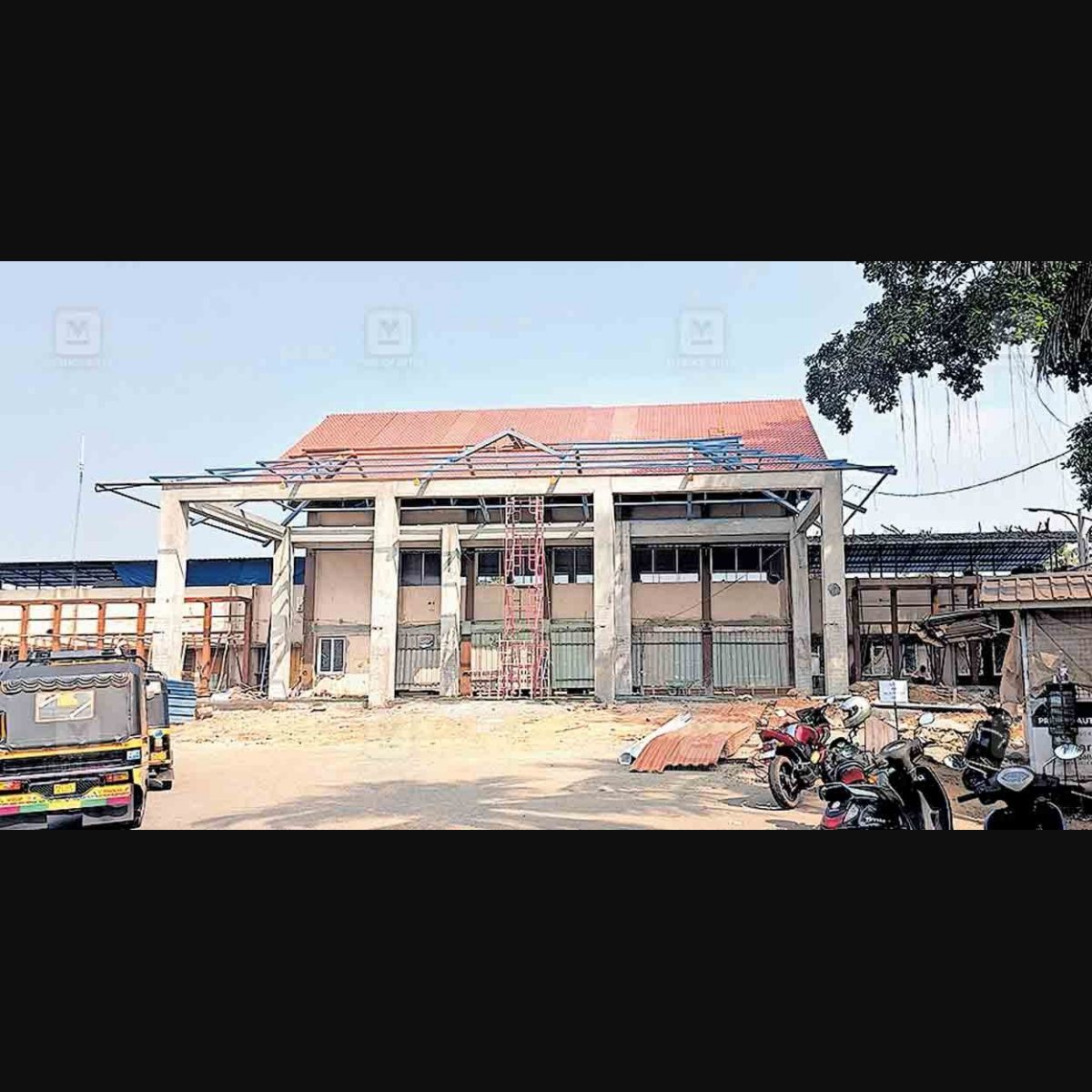
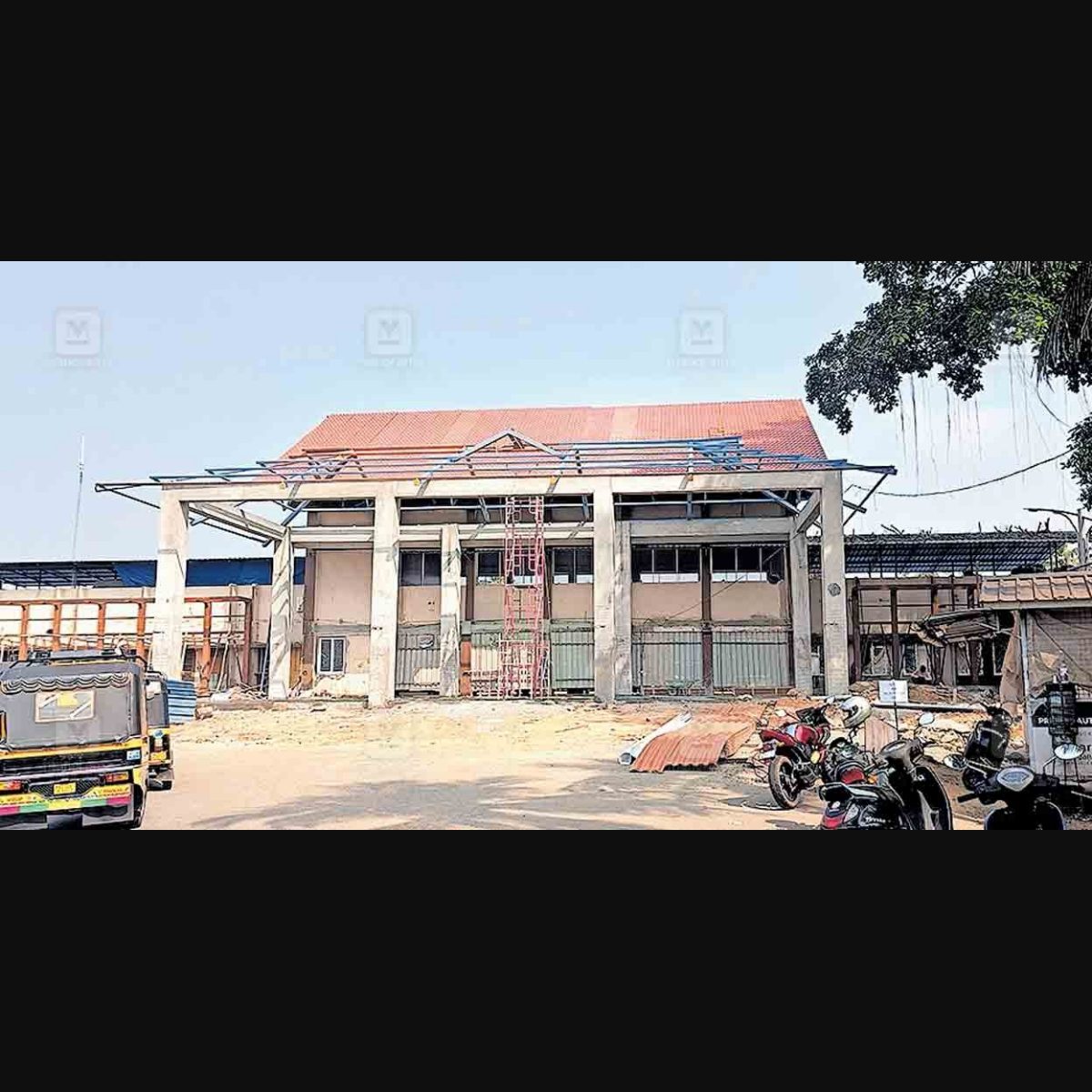
Payyanur Railway Station upgrade
Railway officials and local commuters report that progress has been slow and phased. Crews have been installing lifts, preparing space for a new multi-storey building on the western side and developing parking facilities to the east and west of the station. Visitors will find ongoing activity on platforms, with lift shafts and other structural works visibly under construction.
One of the key bottlenecks is the need to demolish an older electrical department building to clear the site for a new foot over bridge that will connect platforms to the surrounding transport hub. Contractors are constructing a replacement building to house the electrical office; only after that office is shifted can demolition of the old structure proceed and the planned bridge be erected. Completion of that bridge, together with the new approach path to the bus waiting area, is essential to finishing the first phase of the redevelopment.
The project blueprint published by railway authorities in 2003 and reiterated under the Amrit Bharat scheme lists a range of improvements intended to lift Payyanur to international standards. These include a new main entrance, ticketing counters, enhanced parking (including pay parking for cars), lifts and escalators, modern toilets, waiting rooms, integrated passenger information systems and rooftop plaza spaces. The second phase of works will focus on additional built facilities and ancillary passenger services once the foundational elements are finished.
Contractors at the site describe labour constraints; many tasks are being carried out by small crews, which has affected the pace of work. The lifts have been under construction for more than two years, and observers said only limited progress is visible on complex items such as the multi-storey western building and the primary station façade.
Railway authorities have maintained a regime of monthly inspections from Palakkad to assess progress at Payyanur. Officials previously set an internal completion target of 30 November, but that date has passed without the works being concluded and no new deadline has been issued publicly.
Local officials and community stakeholders emphasise the strategic value of completing the programme. Payyanur serves as a significant station for military and civilian traffic in the region, and the upgraded facilities are expected to improve passenger experience, streamline traffic management and generate non-fare revenue through parking and retail kiosks showcasing local products.
For travellers, the immediate benefits will be improved accessibility via lifts and escalators, modern waiting areas and sanitary facilities, clearer signage and integrated travel information. Longer-term prospects include commercial kiosks and a roof-top plaza that could add convenience and amenity to daily commuters and visitors alike.
With visible work still required and key sequencing dependent on site relocations, stakeholders say realistic scheduling and sustained labour input will be necessary to meet revised timelines. The railway department’s next publicly announced milestone will be closely watched by residents and regular users of the station.