Key Takeaways:
- Silver bubble concerns heighten as MCX silver hits a record ₹2,54,174 per kg in 2025.
- Prices have risen 196% this year, turning a ₹1 lakh investment into roughly ₹2.97 lakh.
- Markets weigh whether the rally is driven by fundamentals such as demand and supply constraints or by speculative flows.
- Analysts warn of elevated volatility and advise cautious, diversified approaches for investors.

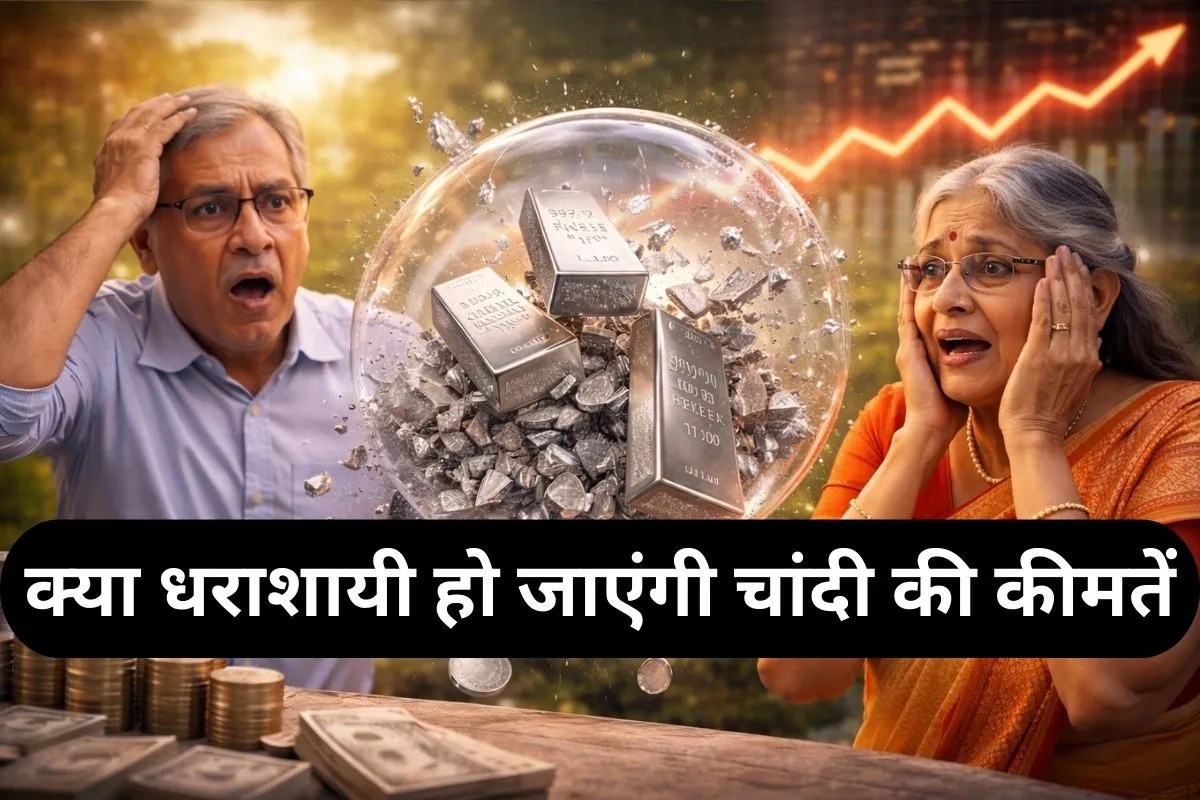
Silver prices on India’s Multi Commodity Exchange (MCX) raced to an all‑time high of ₹2,54,174 per kilogram on Monday, intensifying debate over whether a “silver bubble” is forming or the rally reflects deeper market fundamentals. The metal has climbed about 196% so far in 2025, a surge that has transformed a hypothetical ₹100,000 investment on 1 January into roughly ₹297,000 today.
Silver bubble worries and the market snapshot
The jump from ₹85,913 per kilogram at the start of the year to the recent peak has focused attention on potential drivers behind the rally. Traders point to a combination of elevated investor demand, constrained supply, and broader macroeconomic dynamics that have pushed precious metals higher. While some call the move speculative, others argue it reflects genuine changes in demand patterns and currency movements.
Indian investors have been an active force in the market, buying silver coins, bars and exchange‑traded products as a hedge against inflation and currency fluctuations. Globally, silver sits at the intersection of monetary and industrial use, which can amplify price moves: stronger demand for industrial applications such as electronics and solar panels can coincide with increased safe‑haven buying when macro uncertainty rises.
What is driving the rally?
Market participants and analysts attribute the rise to several factors. Persistent demand from jewellery and industrial sectors has tightened available supplies. Mining output has not kept pace with demand growth, and logistical challenges have periodically disrupted flows. On the financial side, easy money conditions in some regions and portfolio shifts into commodities have channelled additional investment into precious metals.
Currency movements have also played a role. A weaker rupee makes imports costlier and can feed local price inflation for commodities priced internationally. Conversely, global macro concerns — including inflationary pressures and geopolitical uncertainty — often spur safe‑haven demand for precious metals, supporting prices further.
Risk, reward and what investors should consider
Heightened gains often invite heightened volatility. Analysts caution that rapid rallies can reverse sharply if sentiment changes or if central banks signal tighter monetary policy that cools speculative flows. For retail investors, the backdrop suggests a need for caution: diversification, clear risk limits and a long‑term view are prudent strategies when prices have climbed rapidly.
At the same time, not all observers view the rally as purely speculative. Structural factors such as growing silver demand in renewable energy technologies and persistent supply constraints may provide a firmer underpinning to prices than a short‑lived bubble. The balance between these forces will determine whether the market stabilises at higher levels or experiences a correction.
For now, the MCX record has turned silver into a focal point for investors and policymakers alike. As the debate over the existence of a silver bubble continues, market participants will watch economic indicators, central bank commentary and physical demand trends closely to gauge the next phase of the market’s move.