











A safety advisory from Brazilian sources warns that lithium-ion batteries can pose a fire risk if left unattended for prolonged periods, even when devices appear switched off. The guidance is aimed at households preparing to leave for holidays and highlights how battery behaviour and storage conditions can contribute to accidents.
Lithium-ion battery safety what to unplug before your trip
Modern devices rely on lithium-ion batteries, which naturally lose charge over time. If a battery remains deeply discharged for an extended period it can become unstable and increase the likelihood of internal short-circuits and overheating. The advisory stresses that mechanical pressure, moisture or storage at excessively high or low temperatures can damage cells and heighten the risk of combustion.
Common devices to unplug and why
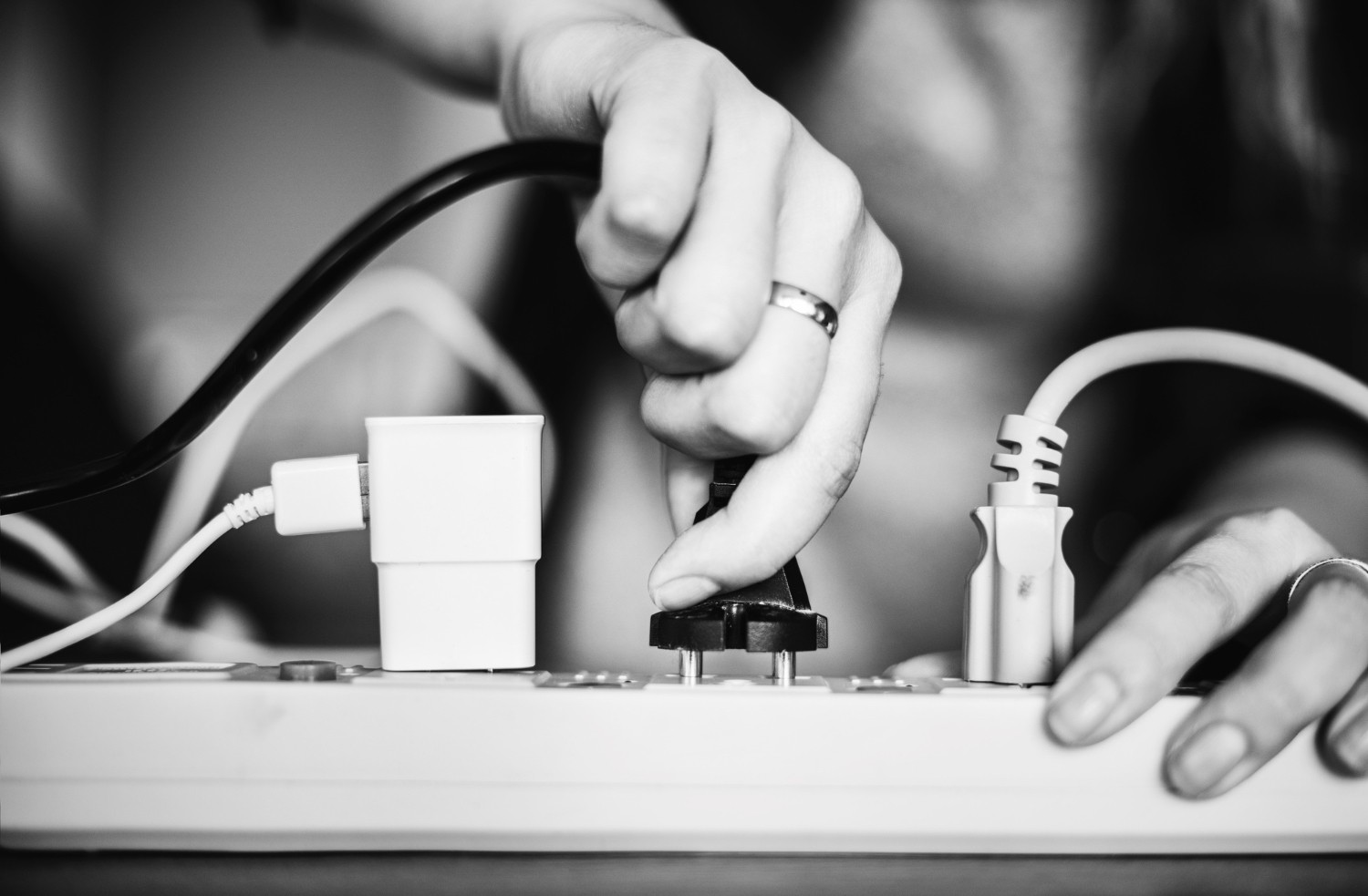
Households should prioritise disconnecting items that contain lithium-ion cells or are connected to chargers. These include smartphones, laptops, tablets, power banks, electric scooters, cordless tools and smart speakers. Even devices left switched off may have residual charge and connected chargers can overheat if left plugged in. Unplugging reduces electrical load and the chance of a fault developing while no one is home.

Practical steps to reduce risk before you leave
Start by unplugging chargers and removing detachable batteries where the manufacturer permits. Store batteries at about 40–60% charge rather than fully charged or fully drained; this reduces stress on cells during storage. Place batteries in a cool, dry area away from direct sunlight and sources of heat. Avoid stacking heavy objects on devices and ensure there is ventilation around appliances.
Install or test smoke detectors and consider leaving lights on timers to give the appearance the property is occupied. Use surge protectors for connected devices and, if possible, switch off non-essential circuits at the consumer unit. Notify a neighbour or friend who can check the property during your absence.
When to seek professional advice
If you notice swelling, unusual smells or excessive heat from any battery-powered device, do not attempt home repairs. Contact authorised service centres or the device manufacturer for guidance and dispose of damaged batteries through designated collection points. Local fire authorities can also advise on safe storage and emergency measures.
Following these measures will not eliminate all risk but will substantially reduce the probability of battery-related incidents while you are away. Small precautions such as unplugging chargers, keeping batteries partially charged and storing devices correctly help protect homes and give holidaymakers greater peace of mind.
Key Takeaways:
- Keep lithium-ion battery safety in mind when leaving your home for holidays to reduce fire risk.
- Unplug chargers and disconnect devices with built-in batteries such as phones, laptops, power banks and e-scooters.
- Store batteries partially charged in a cool, dry place and avoid pressure or extreme temperatures.
- Use surge protectors, test smoke detectors and consider isolating appliances at the mains before you go.








