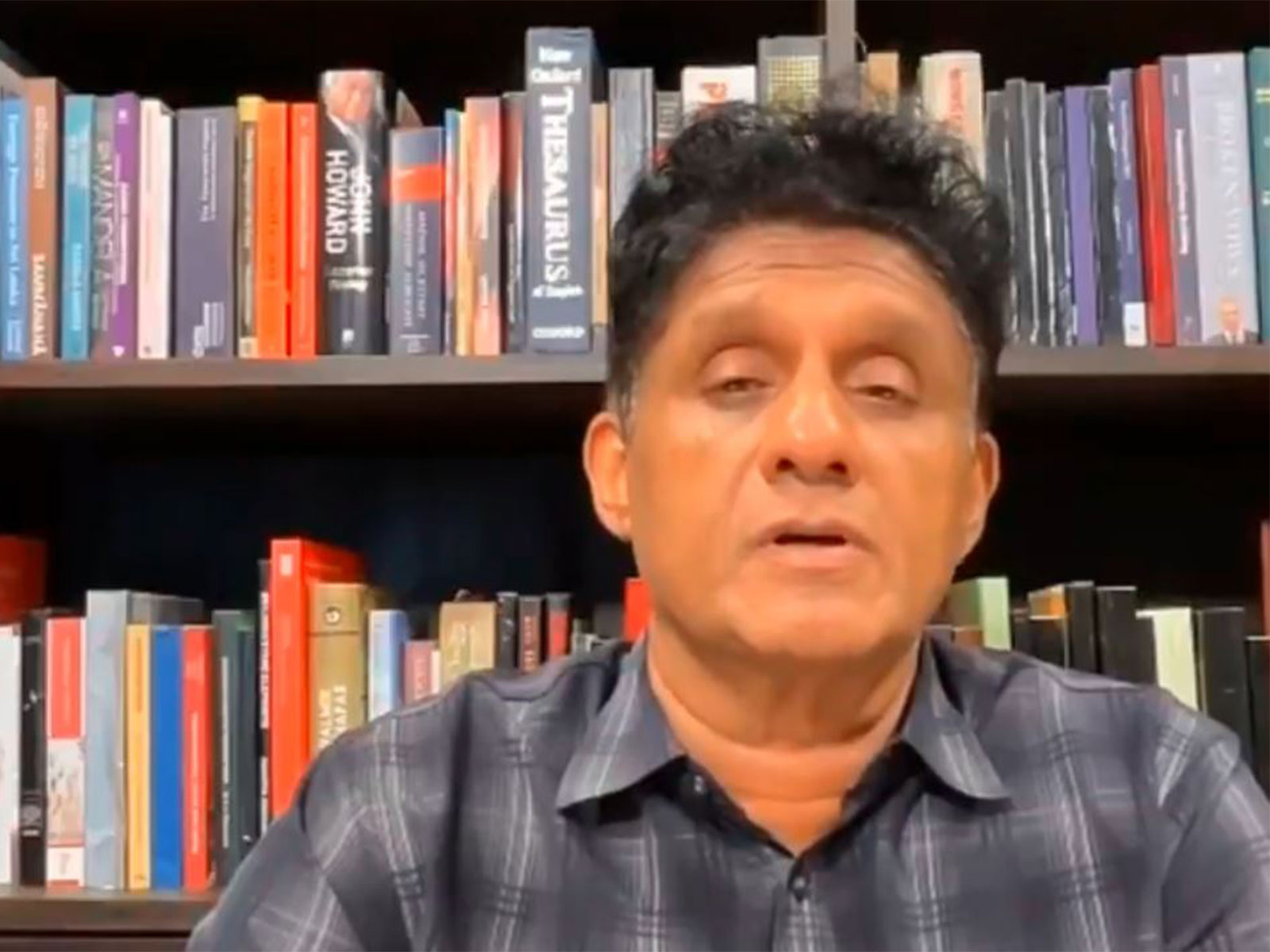
Speaking from Colombo, Sri Lanka’s Opposition Leader Sajith Premadasa praised India’s “Neighbourhood First” policy, saying it produced concrete results when the island faced economic collapse and natural disaster.
India-Sri Lanka relations: aid, reconstruction and future cooperation
Premadasa told ANI that relations between the two countries should be treated as a partnership shaped by shared geography, history and economic destiny rather than by diplomacy alone. “Our destinies are inextricably linked,” he said, adding that close cooperation is essential to achieve mutual national interests.
The opposition leader highlighted New Delhi’s role during Sri Lanka’s recent economic crisis, noting that India extended more than USD 4 billion in assistance through grants, soft loans and other financial measures. He said that Indian support moved beyond rhetoric to tangible action when Sri Lanka was close to bankruptcy and confronting humanitarian needs.

Premadasa also commended India’s rapid response after Cyclone Ditwah. He said New Delhi acted as a first responder, supplying financial aid, relief materials and emergency personnel. External Affairs Minister S. Jaishankar, who visited Colombo as a special envoy of Prime Minister Narendra Modi, formally presented a letter from the prime minister that included a USD 450 million reconstruction package for post‑cyclone rebuilding.
The USD 450 million pledge follows Operation Sagar Bandhu, India’s rapid humanitarian response which concluded the immediate relief phase. Jaishankar emphasised New Delhi’s commitment to Sri Lanka at a time of acute need, reinforcing the view that the Neighbourhood First approach prioritises practical assistance.
Beyond emergency aid, Premadasa identified longer‑term areas for cooperation. He pointed to Sri Lanka’s ambition to build a USD 30 billion digital economy by 2030 and said India’s information technology and business process outsourcing expertise would be vital to that effort. He encouraged Indian firms to invest in IT, management services and export‑oriented ventures that can create jobs and raise productive capacity.
Energy cooperation is another priority, Premadasa said, with a focus on reducing energy costs to attract foreign direct investment. He also called for enhanced collaboration in tourism and broader FDI initiatives, urging Indian entrepreneurs to seize opportunities on the island.
Premadasa expressed gratitude to both the Indian government and the people of India for timely and generous support. He noted that India is Sri Lanka’s closest neighbour and that ties between the two nations date back more than 2,500 years, sharing strong civilisational and historical links. He referred to India’s MAHASAGAR vision — Mutual and Holistic Advancement for Security and Growth Across Regions — as consistent with Sri Lanka’s recovery and development goals.
Looking ahead to 2026, Premadasa said that the bilateral relationship has weathered multiple challenges and remains resilient. He argued that closer cooperation will help both countries meet strategic and economic objectives, while immediate relief and reconstruction efforts demonstrated how regional partnership can deliver results in times of crisis.
India’s recent packages of financial support, disaster relief and commitments to reconstruction underline a practical, action‑orientated approach to neighbourhood diplomacy. For Sri Lanka, the partnership offers immediate relief and a pathway to longer‑term economic recovery driven by digital transformation, energy reforms and investment.
Key Takeaways:
- India-Sri Lanka relations have delivered tangible relief during Sri Lanka’s economic crisis and Cyclone Ditwah.
- New Delhi provided more than USD 4 billion in grants, soft loans and financial support, plus a USD 450 million reconstruction package.
- Partnership focuses on digital economy, energy cooperation, tourism and investment to spur growth and jobs.