











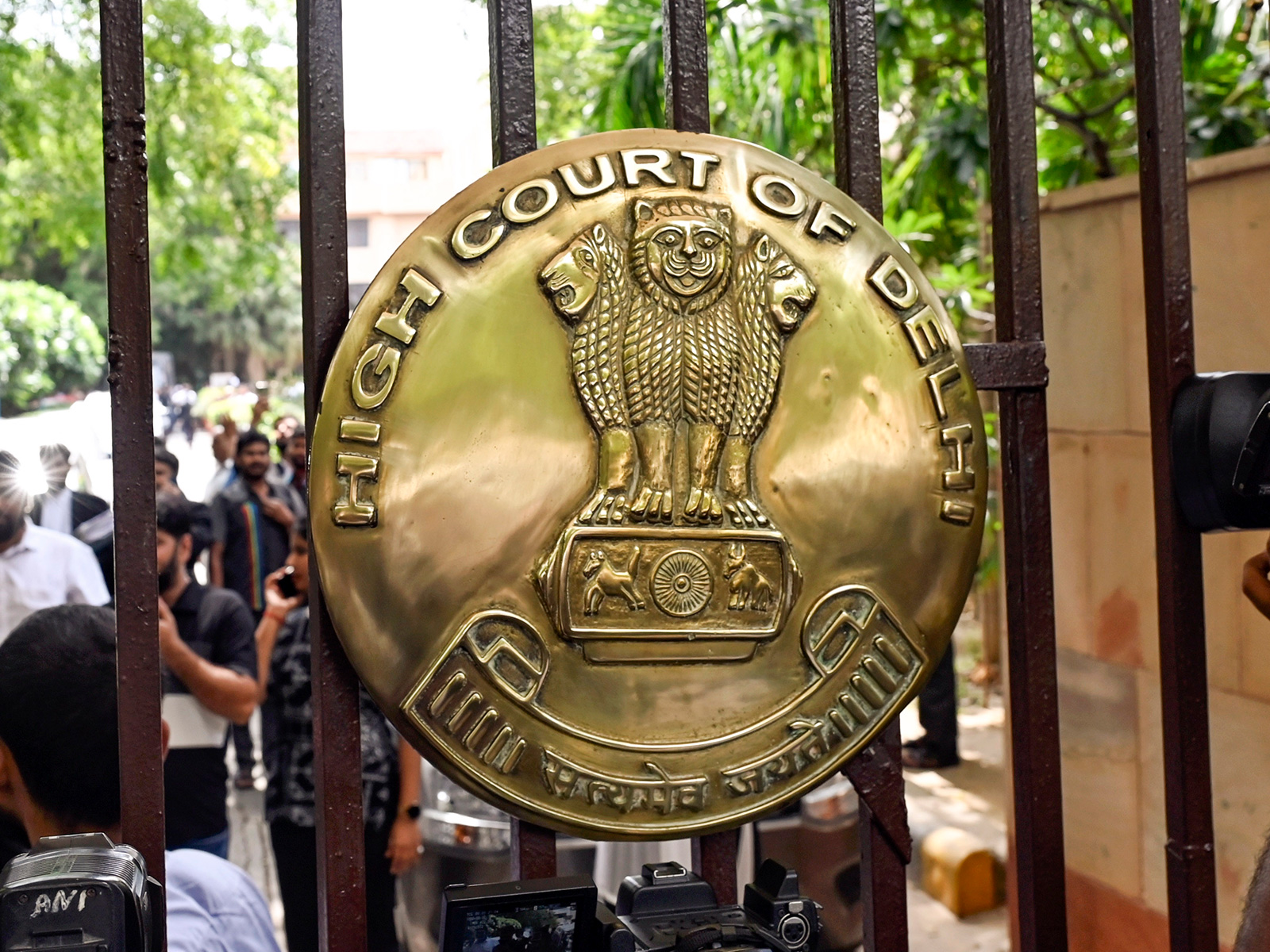
The Delhi High Court has refused to impose an immediate restraint on media publications connected with allegations about ghee used for offerings at the Tirumala Tirupati temple. In an order dated 23 December 2025, Justice Amit Bansal made clear that pre-publication injunctions without hearing the other side are appropriate only in rare and exceptional circumstances.
Tirupati laddu adulteration and interim legal steps
The decision came in a civil suit filed by Yerram Venkata Subba Reddy and another plaintiff against Ushodaya Enterprises Pvt. Ltd and others, which alleges defamatory reportage and online posts concerning procurement of ghee for the Tirumala Tirupati Devasthanams. The plaintiffs sought an interim injunction to prevent further publications while investigations proceed.
At the threshold the court permitted several interlocutory applications filed by the plaintiffs. The plaint was directed to be formally registered as a commercial suit under the Commercial Courts Act, 2015. The plaintiffs were allowed to place additional documents on record and to file video recordings in electronic form, with exemption from filing originals at the present stage. Summons were issued to all defendants.

Justice Bansal set a strict procedural timetable. The defendants must file written statements within 30 days of receiving summons and accompany those pleadings with affidavits of admission and denial in respect of the plaintiffs’ documents. The plaintiffs were granted liberty to file replications within the prescribed time. The court warned that unjustified denial of documents could attract adverse cost orders.
Senior Advocate Dayan Krishnan, appearing for the plaintiffs, drew the court’s attention to related proceedings before the Supreme Court and said investigations into the alleged adulteration were ongoing. He argued that publishing accusatory material while probes remain pending would be unwarranted and prejudicial.
While the court issued notice on the application for an interim injunction, it declined to grant ex parte relief. Citing settled law, Justice Bansal observed that interim gag orders without hearing the defendants are not the norm and that restraint is required at the interim stage. The judge relied on established Supreme Court precedents in reaching that view.
Nevertheless the court issued a clear caution. Any fresh publications or posts after the date of the order will be treated as having been made with full knowledge of the ongoing proceedings and may attract their own legal consequences. This places media outlets and individuals on notice that further material published now will be evaluated in light of the suit.
The substantive dispute concerns alleged misconduct in the procurement of ghee used for making the famous Tirupati laddu offerings. Plaintiff No.1 served as Chairman of the TTD management board from June 2019 to August 2023. The defendants named include Ushodaya Enterprises Pvt. Ltd and others responsible for reportage and online content that the plaintiffs allege is defamatory.
The suit and the interim application are listed for further consideration on 29 January 2026 after completion of pleadings. The court’s approach balances the plaintiffs’ right to protect reputation with the principle that prior restraint on speech is an exceptional remedy.
Key Takeaways:
- Delhi High Court declined to grant an immediate gag order in the Tirupati laddu adulteration litigation.
- The court registered the plaint as a commercial suit and issued summons to defendants, setting a strict pleading timeline.
- Justice Amit Bansal warned new publications issued after the order will carry legal consequences.
- Investigations remain pending and the matter is listed for further hearing on 29 January 2026.








