











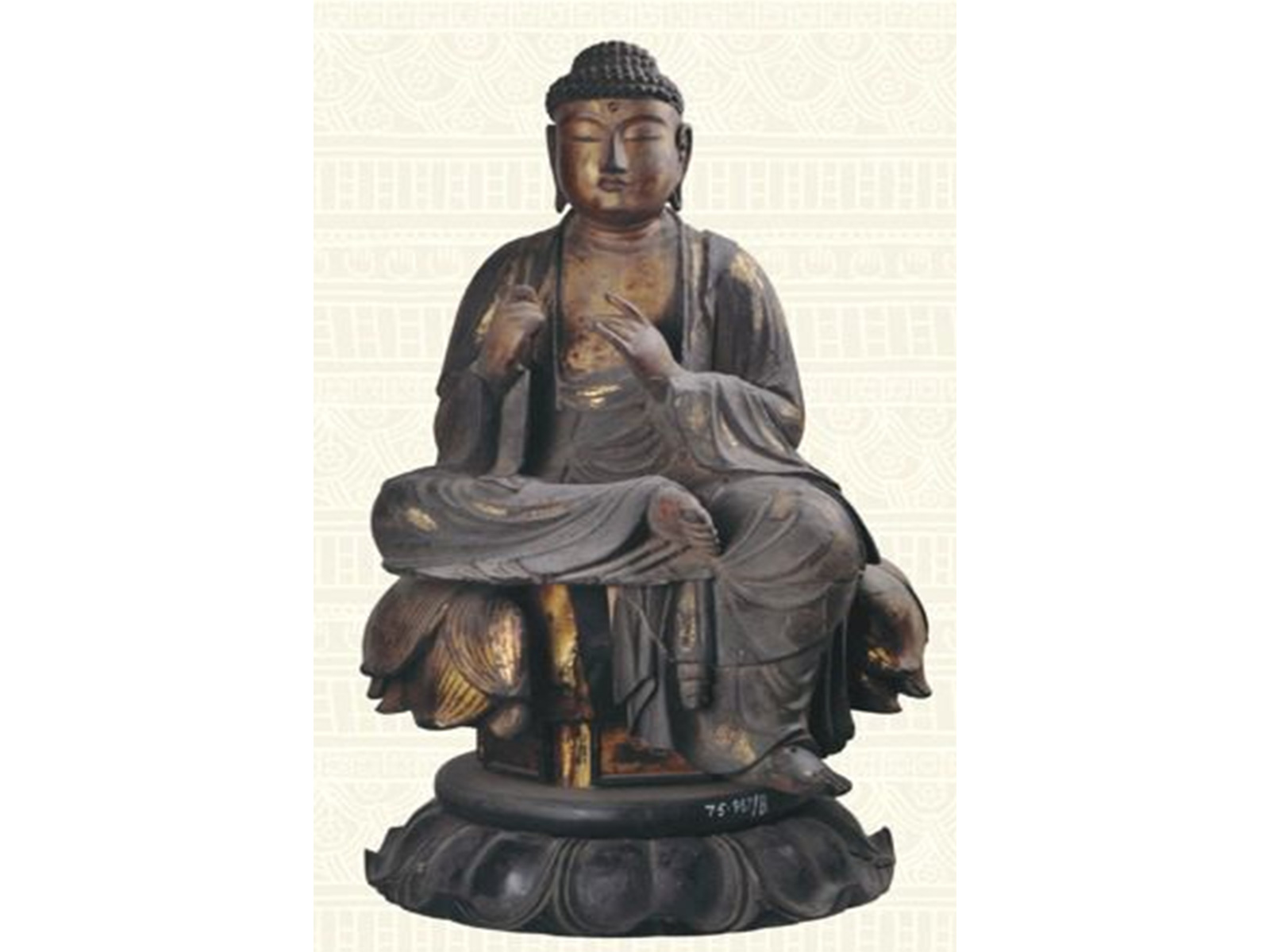
Prime Minister Narendra Modi inaugurated the Grand International Exposition of the Piprahwa relics on 3 January at the Rai Pithora Cultural Complex in New Delhi, bringing rare archaeological material back into public view. Titled “The Light & the Lotus: Relics of the Awakened One”, the exhibition unites repatriated artefacts with items held by India’s major museums and aims to deepen public understanding of early Buddhism and India’s civilisational heritage.
Piprahwa relics exhibition highlights repatriation and heritage
Discovered in 1898, the Piprahwa relics are among the earliest deposits associated with the life of the historical Buddha. The exposition assembles relics returned to India after more than a century alongside authentic objects and archaeological material from the National Museum, New Delhi, and the Indian Museum, Kolkata. The Prime Minister described the day as “very special for those passionate about history, culture and the ideals of Bhagwan Buddha” and praised the institutions and individuals involved in the repatriation effort.
The exhibition is organised thematically. At its centre sits a reconstructed interpretive model inspired by the Sanchi stupa, designed to present the archaeological finds within a familiar visual context. Surrounding galleries include sections such as “Piprahwa Revisited”, “Vignettes of the Life of Buddha”, “Intangible in the Tangible: The Aesthetic Language of Buddhist Teachings” and displays that trace the spread of Buddhist art beyond the subcontinent. A dedicated section outlines the process of repatriation, describing the institutional cooperation and public-private partnership that made the returns possible.

Curators have enhanced the visitor experience with a comprehensive audio-visual programme. Immersive films, digital reconstructions and interpretive projections complement the objects on display, offering accessible insights into the discovery of the Piprahwa relics, their historical context and the artistic traditions associated with early Buddhism. These elements are intended to engage a broad audience, particularly young people, and to strengthen their connection with India’s cultural legacy.
National institutions played a central role in assembling the exhibition. Officials noted that bringing repatriated relics together with material from the National Museum and the Indian Museum represents a rare opportunity for comparative study and public engagement. The show also serves as an example of cultural diplomacy, as repatriation often involves dialogue with foreign institutions and long-term negotiation.
Speaking on social media ahead of the inauguration, the Prime Minister reiterated that the exposition aligns with the government’s efforts to popularise the teachings of the Buddha and to promote cultural education among India’s youth. He extended appreciation to those who worked towards the relics’ repatriation and underlined the exhibition’s role in highlighting India’s deep historical links with Buddhist teachings.
The organisers have emphasised that the exposition is as much educational as it is commemorative. By combining archaeological material, interpretive displays and modern multimedia, the event invites visitors to reflect on the historical significance of the Piprahwa finds and their place within broader discussions about heritage protection and the movement of cultural objects across borders.
The Grand International Exposition of the Piprahwa relics will remain open to the public at the Rai Pithora Cultural Complex in New Delhi, offering scholars and visitors alike an uncommon opportunity to view these important relics together for the first time in over a century.
Key Takeaways:
- Prime Minister Narendra Modi inaugurated the international exhibition of the Piprahwa relics in New Delhi, highlighting cultural repatriation and heritage.
- The Piprahwa relics exhibition reunites artefacts repatriated after more than a century with national museum collections.
- The show features thematic galleries, a reconstructed Sanchi-inspired model and immersive audio-visual displays to engage the public and youth.








