











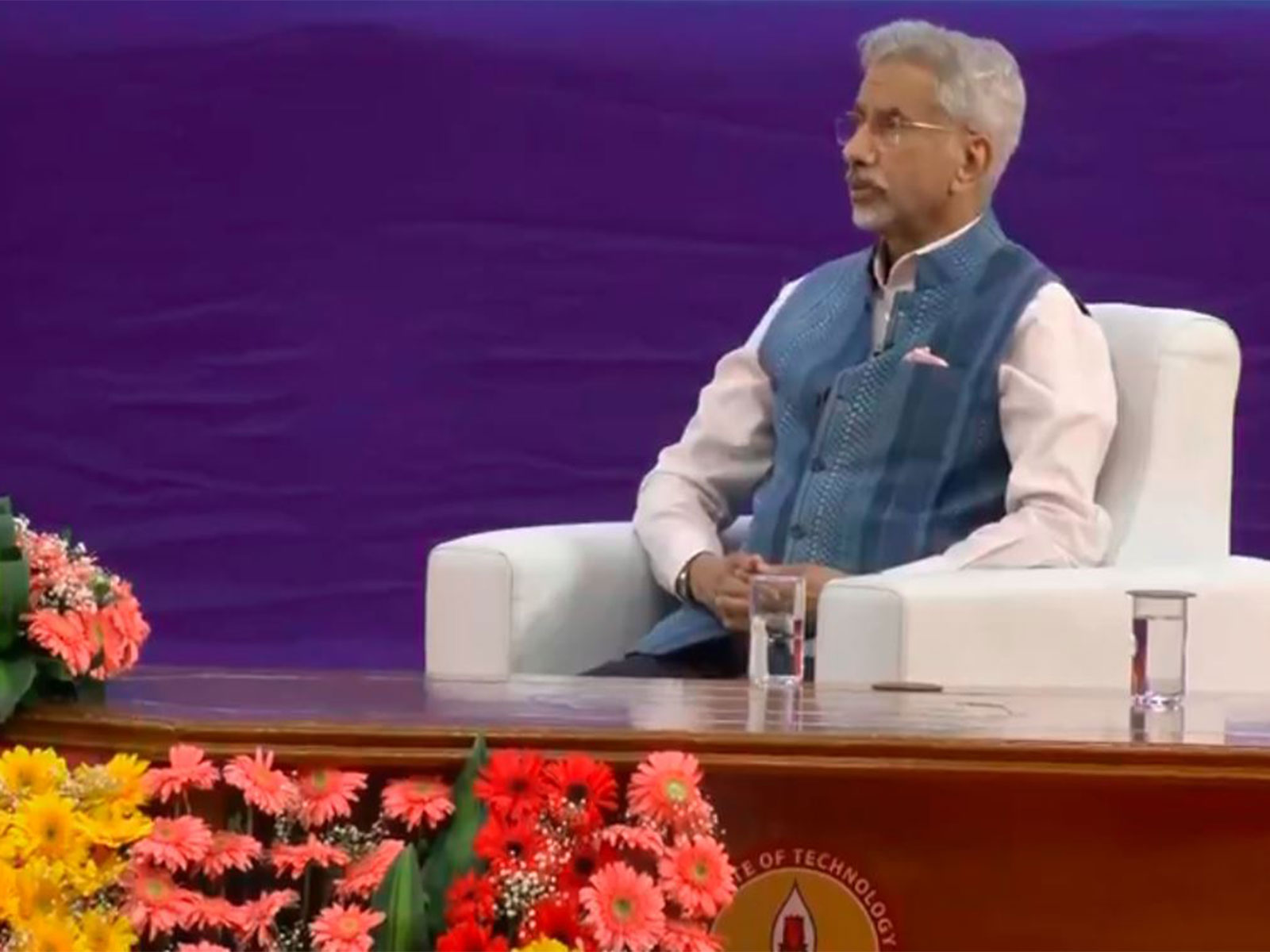
External Affairs Minister S. Jaishankar has praised India’s global vaccine effort during the COVID-19 pandemic, saying the country’s shipments left a profound emotional impression on recipient nations. Speaking at IIT Madras, he said that in his long diplomatic career he had never seen anything with greater emotional impact than giving vaccines, recalling officials who had been moved to tears when remembering the first consignments.
India vaccine diplomacy reinforces global ties
Jaishankar described a stark contrast between wealthier countries that stockpiled supplies and smaller nations that struggled to obtain even a few thousand doses. At the height of the crisis, developed countries held supplies far beyond their immediate needs, while many small states feared they would not receive vaccines at all. In that context, India committed to supplying millions of doses not only for its own 1.4 billion people but also to vulnerable countries that would otherwise have been left behind.
According to Jaishankar, shipments of 100,000 to 200,000 doses were often lifesaving for smaller nations and served as clear gestures of solidarity. He said representatives from Latin America, the Caribbean and Pacific island states repeatedly acknowledged that without India’s assistance they would have had little prospect of obtaining vaccines. Those consignments, he added, changed the course of immunisation efforts in many countries.

Beyond the immediate humanitarian effect, the campaign demonstrated India’s capacity to combine scale with compassion. Large domestic manufacturing output allowed India to act as a supplier to nations across several regions. Observers noted that the effort helped to reinforce international ties at a time when global cooperation was under severe strain.
Experts suggest the programme also boosted India’s soft power. By delivering tangible assistance when it mattered, India showed that a major developing nation could act decisively and responsibly in a crisis. This has left a diplomatic imprint as recipient countries remember the first shipments that brought hope during a dark period.
Domestic priorities remained central to India’s response, yet the government maintained that reaching out to other nations was part of a broader responsibility. Jaishankar framed those deliveries as more than logistics; they represented solidarity and a commitment to equitable access. For many small states, this translated into the first meaningful chance to begin vaccinating frontline workers and vulnerable populations.
The experience has wider implications for global health diplomacy. Observers say that the episode emphasises how manufacturing capacity, coordinated distribution and diplomatic will can together address urgent needs. It also offers lessons for future emergency responses, including the value of predictable supply lines and early engagement with smaller partners.
As memories of the pandemic recede, Jaishankar said the world now talks less about vaccines but not about their legacy. For many countries that received India’s deliveries, those shipments remain a defining moment. The intervention helped blunt the immediate health crisis and strengthened bilateral ties that could influence cooperation on trade, health security and development going forward.
Key Takeaways:
- India vaccine diplomacy provided critical supplies to small nations across Latin America and the Pacific, often acting as their first access to COVID-19 vaccines.
- External Affairs Minister S. Jaishankar described the emotional response of recipients, calling shipments a gesture of solidarity for vulnerable countries.
- The initiative combined large-scale manufacturing with humanitarian outreach and strengthened India’s international standing.
- Experts say the outreach enhanced India’s soft power and demonstrated responsible leadership during the pandemic.








