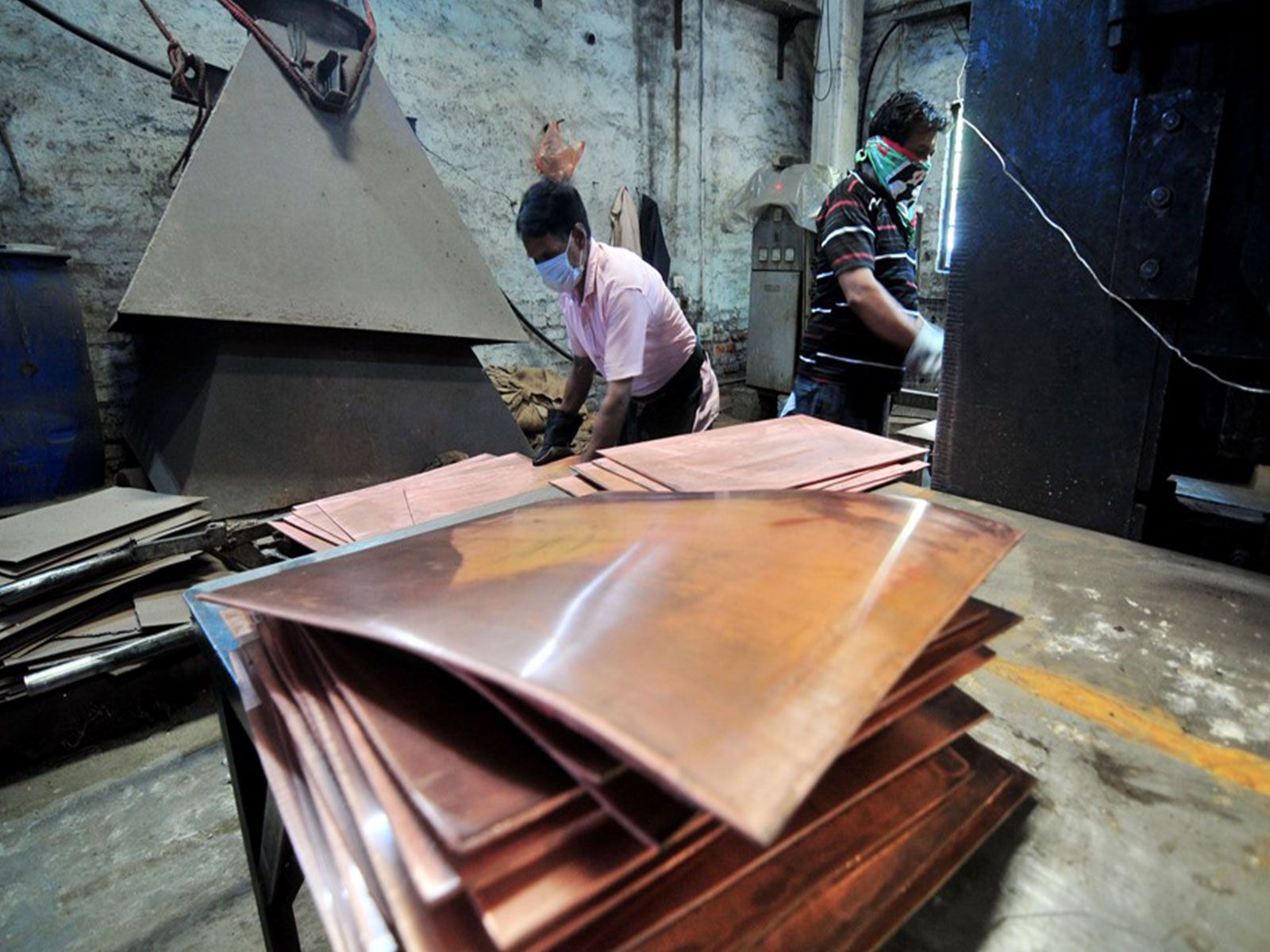
ING’s Commodities Outlook 2026 warns that metals are set to outperform next year as supply constraints collide with resilient demand. The bank forecasts a material copper deficit and a tightening aluminium market, while iron ore is expected to come under downward pressure as seaborne shipments rise.
Metals outlook 2026 tight copper and aluminium markets
Copper is the headline story. ING now sees a refined copper shortfall of roughly 600,000 tonnes in 2026, up from an estimated 200,000-tonne deficit in 2025. The firm points to a string of supply shocks: production disruptions at Grasberg in Indonesia, flooding at the Kamoa-Kakula complex in the Democratic Republic of Congo, and an accident at Chile’s El Teniente mine. Trade distortions linked to tariff policies in the United States add further uncertainty to flows.
Higher copper prices could benefit major producing and exporting countries, including Indonesia and several Latin American suppliers, while also raising costs for major consumers such as China and India. Market tightness is likely to prompt elevated price volatility and draw attention from investors seeking exposure to base metals.

Aluminium is expected to remain in deficit through 2026. A Chinese self-imposed capacity cap at about 45 million tonnes and power constraints outside China are the principal limits on global supply growth. ING’s base case assumes the Century smelter outage in Iceland persists for 12 months and China’s cap holds; under those assumptions the market shows a modest deficit. If additional closures occur, for example at Mozal, the shortfall could widen substantially.
By contrast, nickel is forecast to stay in surplus. Indonesian output now accounts for roughly 60% of global production, and the country’s expansion of downstream processing is supplying the market. However, tighter environmental regulation and stronger permit enforcement in Indonesia could create future supply risks. On the demand side, stainless steel consumption remains subdued and electric vehicle makers — particularly in China — are increasingly adopting LFP chemistries that reduce nickel intensity, slowing battery-related demand growth.
Iron ore presents a different picture. ING expects prices to drift lower in 2026 as seaborne supply expands and Chinese steel demand slows. The Simandou project in Guinea is singled out as a major new source of high-grade ore, with some 20 million tonnes anticipated to reach markets in 2026 and full project ramp-up to 120 million tonnes per year by 2030. Australia and Brazil are also set to increase shipments, while persistent weakness in China’s property sector and elevated port inventories will act as a cap on any price recovery.
Implications for BRICS+ economies are mixed. Commodity exporters that rely on copper and aluminium revenues could see improved terms, but iron ore producers face headwinds from intensifying seaborne competition and slower demand growth in China. Policy and operational risks remain key watchpoints: mine outages, environmental regulation in Indonesia, and trade policy moves could all shift balances rapidly.
For markets, ING’s outlook suggests a year of divergent trends within metals: tightness and upside risk for copper and aluminium, structural surplus for nickel, and a softer profile for iron ore. Traders, miners and policy makers will be watching inventories and new project ramp-ups closely as indicators of how price dynamics unfold through 2026.
Key Takeaways:
- Metals outlook 2026 points to copper and aluminium deficits driven by supply disruptions and China’s capacity cap.
- Copper faces a substantial shortfall after mine outages in Indonesia, the DRC and Chile and trade distortions.
- Aluminium supply constrained by China’s 45Mt capacity limit and power limits outside China, boosting global deficits.
- Iron ore prices are likely to soften as seaborne supply expands, notably from Simandou, while nickel stays in surplus thanks to Indonesian output.