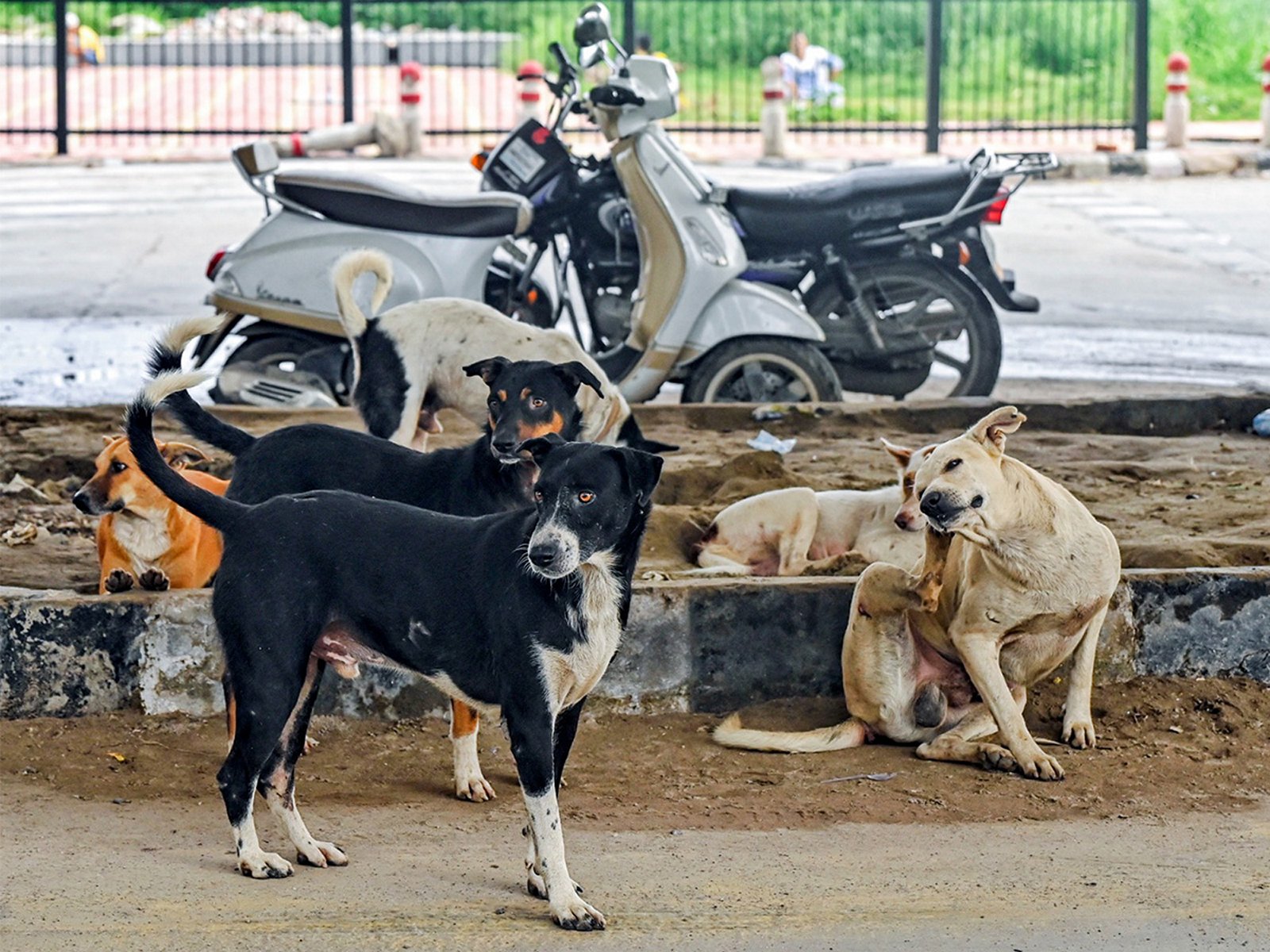
Delhi Police has registered a first information report after the Directorate of Education (DoE) in the National Capital Territory of Delhi lodged a formal complaint over the circulation of false information on social media alleging that government school teachers had been instructed to count stray dogs.
Teachers counting stray dogs clarification from Delhi authorities
The DoE said the claims were entirely fabricated and bore no connection to any directive issued by the department. A circular dated 20 November 2025 was cited, but officials stressed that it was issued solely to comply with directions from the Supreme Court of India in Suo Motu Writ Petition (Civil) No. 5 of 2025, titled “City hounded by strays, kids pay price”. The circular, the DoE said, focused on ensuring student safety by preventing stray dogs from entering school premises through enhanced security measures and access control, not by asking teachers to count animals.
In a press note dated 30 December 2025, the Directorate formally denied the viral claim and appealed to the public to disregard posts that ascribed the instruction to teachers. Despite that clarification, the department said the misleading content continued to be circulated and amplified on various platforms, which the release characterised as a deliberate effort to mislead the public.

The FIR was registered at Civil Lines Police Station in North District, New Delhi, after the DoE sought an investigation into the origin, creation and amplification of the false narrative. Authorities cited instances of impersonation on social media, including videos and reels in which individuals posed as teachers performing staged counts of stray animals. The Directorate described such acts as serious offences and said they would be investigated under appropriate sections of the law.
Police and education officials emphasised the professional dignity and academic role of teachers, saying these must remain inviolable. The DoE noted that measures in the November circular were operational and security-focused; they recommended deployment of security staff and physical access controls to keep school grounds safe for pupils.
Experts say the case illustrates wider challenges for public institutions in the age of social media, where a single false post can spread rapidly, damaging reputations and eroding public trust. Legal remedies such as FIRs and criminal investigations are increasingly used alongside public clarifications to counter harmful misinformation.
In registering the FIR, Delhi Police will investigate who originated the fabricated material, whether there was coordinated effort to amplify it, and whether impersonation led to the creation of misleading audiovisual content. Depending on findings, charges could include those relating to publishing false information, impersonation and other offences under Indian law.
For parents and the wider public, the DoE urged reliance on official channels for policy updates and circulars. Officials also said schools would continue to implement security and access measures prescribed in the Supreme Court-directed circular to prevent stray animals from entering premises and to protect pupil safety.
The case is likely to be watched by education departments and law enforcement elsewhere as an example of how administrations respond when misinformation targets public servants and educators. Delhi’s action underscores both the legal avenues available to counter false narratives and the importance of rapid, transparent communication by authorities.
Key Takeaways:
- Delhi Police registered an FIR after the Directorate of Education complained about false social media claims that teachers were instructed to count stray dogs.
- The Directorate clarified a November 20, 2025 circular complied with a Supreme Court direction and did not instruct teachers to count animals.
- Officials reported impersonation videos and deliberate amplification of the false narrative, prompting an investigation into the origin and spread.
- The case highlights government efforts to curb misinformation and protect the professional dignity of teachers.