











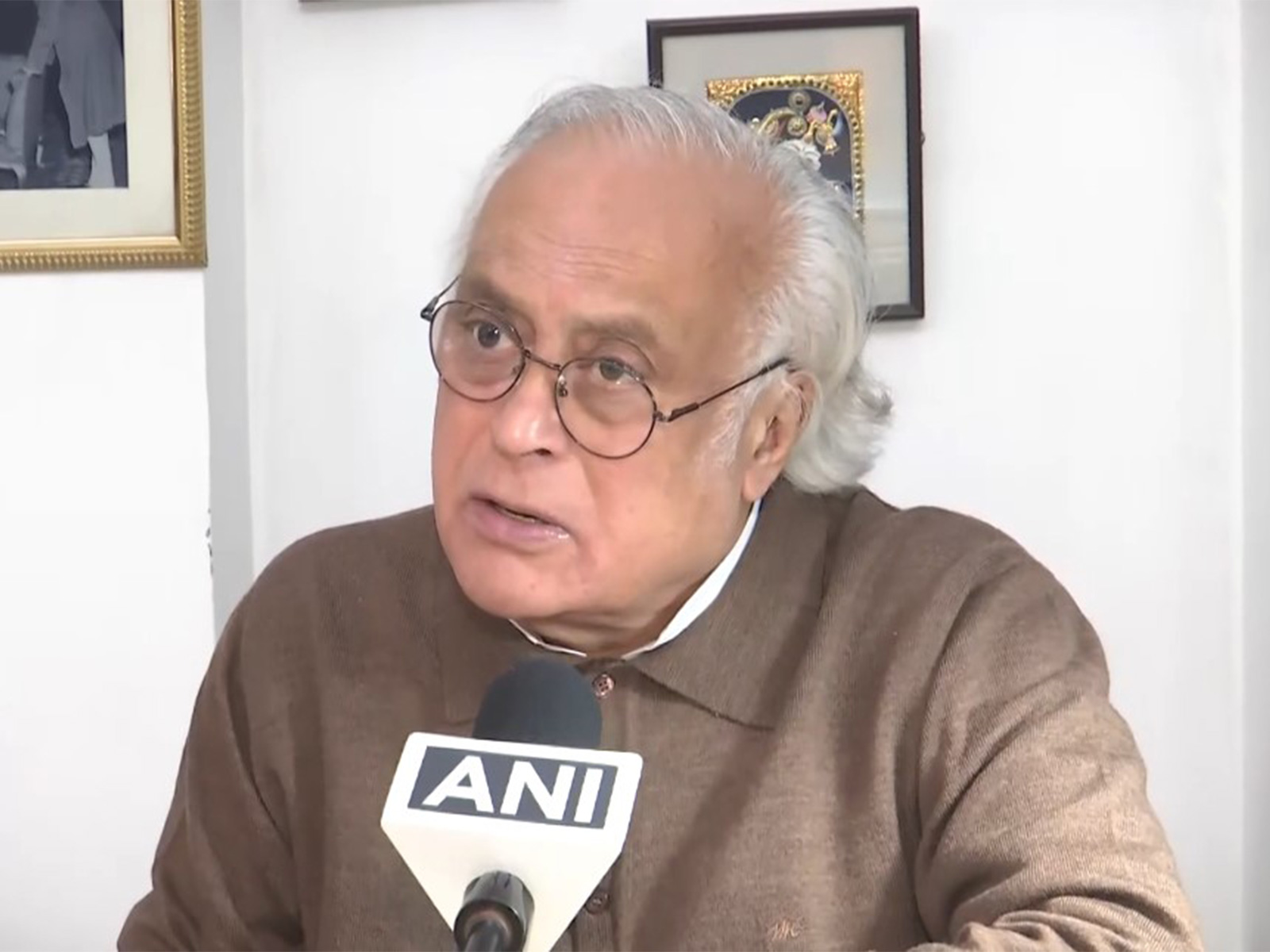
Senior Congress MP Jairam Ramesh has launched a strong attack on the central government over the proposed development on Great Nicobar Island, warning that rapid infrastructure works will harm ecology, public health and indigenous communities.
Controversy over Great Nicobar project
Speaking to ANI on Friday, Ramesh criticised approvals for an airport, seaport and tourism infrastructure on the island, saying the projects were being pushed despite ecological sensitivities and local opposition. “In the name of ease of doing business, they are destroying the ease of breathing and the ease of living,” he said.
Ramesh described the approvals as hasty and driven by “greed and shortsightedness”, and warned they could become a “dangerous and long-term tragedy”. He said millions of trees could be felled, biodiversity would suffer, and tribal communities would be marginalised. Ramesh also invoked recent judicial interventions, noting the Supreme Court’s stay on a definition related to the Aravalli Hills as an example of environmental policy failures.

The Congress leader said he had repeatedly raised the issue in Parliament and in letters to the Environment Minister. He added that Gram Sabhas on the island had formally opposed the plans, but their concerns had been ignored, according to his account.
Officials maintain that work on the new airport began on 22 December and that the wider Great Nicobar development plan is phased, balanced and sustainable. The proposal includes tourism infrastructure, urban hubs and research facilities, and aims to optimise land use while improving connectivity and defence preparedness in the Indian Ocean Region.
Defence officials have argued that a larger airport on Great Nicobar would allow heavier military aircraft to operate closer to key maritime routes, shortening response times. Proponents also cite potential economic gains, including tourism and local employment, though estimates of social and environmental costs vary.
Ramesh questioned who would ultimately benefit. “The people don’t benefit. Local communities don’t benefit,” he said, arguing that environmental damage will exacerbate climate risks and public health threats. He referenced natural disasters such as tsunamis, floods and landslides as potential consequences of disrupting fragile ecosystems.
Documents accessed by ANI suggest planners anticipate significant population growth on the island if development proceeds. Officials project a population of about 650,000 by 2050, with the possibility of further growth by 2075. Critics say such figures underscore the scale of change facing local landscapes and communities.
Environmental groups and some scientists have expressed concern about the scale and speed of intervention on Great Nicobar. Issues highlighted include potential loss of habitat for endemic species, disruption of coastal and marine systems, and displacement of the indigenous Nicobarese people.
The central government argues the project includes safeguards and a phased approach to minimise ecological impact. It says assessments and optimisation of land use are part of planning, and that infrastructure will be developed with strategic and socio-economic priorities in mind.
As debate intensifies, the dispute highlights the tension between strategic infrastructure development and conservation in ecologically sensitive regions. With legal, political and community objections now public, the future of the Great Nicobar project may hinge on further environmental assessments, judicial review and sustained dialogue with local stakeholders.
Key Takeaways:
- Senior Congress leader Jairam Ramesh criticises the Great Nicobar project for threatening ecology, public health and indigenous communities.
- Ramesh alleges the government values ease of doing business over environmental protection and cites potential large-scale deforestation.
- The government says the plan is phased and sustainable and highlights strategic and economic benefits.
- Local Gram Sabhas and scientists, Ramesh says, have been ignored in approvals for the Great Nicobar project.








