











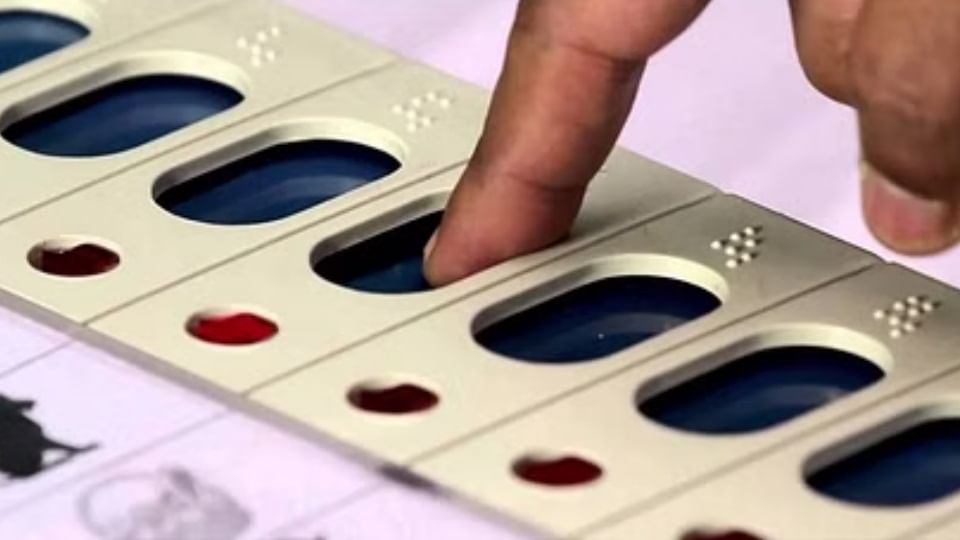
The State Election Commission of Maharashtra is expected to announce dates for local body elections in February, with polls likely to cover 12 district councils (zilla parishads) and 125 panchayat samitis. Officials said preparations are under way at district and block levels as authorities ready voter rolls, polling staff and security arrangements ahead of the anticipated poll schedule.
Maharashtra local elections: what to expect
Local body elections in Maharashtra determine leadership of the institutions that administer rural development, public services and local infrastructure. The expected elections will allow residents to choose representatives to manage issues from water supply and roads to local welfare schemes. Observers note that these polls often provide a barometer of grassroots support for state and national parties.
While the exact polling dates remain unconfirmed, administrative officials are reported to be coordinating the logistical elements necessary for a large-scale electoral exercise. This includes finalising voter lists, training polling workers, designating polling stations and planning security deployments to ensure peaceful voting. The State Election Commission typically issues a formal notification before setting the schedule, followed by a brief period of campaigning and nominations.

Political parties have already begun low-key preparations. Local leaders and cadres commonly intensify outreach in the weeks preceding formal announcements, seeking to consolidate support among rural voters. Analysts say local issues and candidate selection will be decisive, though party performance in these polls is also watched for its implications on wider political strategies.
Election administrators face the practical challenge of conducting polls across diverse and often remote rural areas. Ensuring access to polling stations, providing adequate facilities for voters and maintaining accurate voter rolls are recurring priorities. Officials must also balance the deployment of security personnel to deter malpractices while facilitating free movement for voters and party workers.
For many residents, these elections are directly linked to the delivery of government programmes. Elected representatives at district and samiti levels play a key role in implementing development projects and ensuring that central and state schemes reach intended beneficiaries. As such, turnout and results will not only reflect political preferences but may influence how local services are delivered in the coming years.
State Election Commission statements typically outline the model code of conduct, guidelines for campaigning and the timetable once dates are set. Voters are advised to check official channels and reputable local media for notifications regarding registration deadlines and polling details. Mobile news apps and local publications remain primary sources for timely updates in many constituencies.
With the likely announcement approaching, stakeholders from district administrations to village level committees are reviewing administrative checklists and contingency plans. Civil society groups and election observers may also step up voter education drives to encourage participation and inform citizens about voting procedures.
As Maharashtra prepares for these local body polls, the focus will be on a smooth, transparent process that enables citizens to choose representatives who can address immediate local concerns. The outcome will offer insight into rural political dynamics and set the tone for governance at the grassroots level in the months ahead.
Key Takeaways:
- State Election Commission expected to announce dates for Maharashtra local elections in February.
- Polls likely to cover 12 district councils and 125 panchayat samitis, affecting rural governance.
- Local elections will test party strength and influence delivery of state and central schemes.
- Authorities preparing logistics, voter lists and security for a smooth polling process.








