Key Takeaways:
- Prayagraj DM Manish Verma appeared in a viral video cooking roti at Satua Baba’s camp.
- The clip drew public attention and prompted criticism from Deputy Chief Minister Keshav Prasad Maurya.
- Officials say the visit was part of local engagement, but political reactions have focused on propriety and image.
- The incident highlights tensions between administrative outreach and political expectations in Uttar Pradesh.

Prayagraj DM Manish Verma Faces Criticism After Viral Video at Satua Baba Camp
Prayagraj’s District Magistrate, Manish Verma, has come under the spotlight after a video of him preparing a roti on a stove at the camp of local figure Santosh Das, popularly known as Satua Baba, circulated widely on social media. The footage prompted a rebuke from Deputy Chief Minister Keshav Prasad Maurya and revived a debate over the public role of senior administrators in highly visible local engagements.
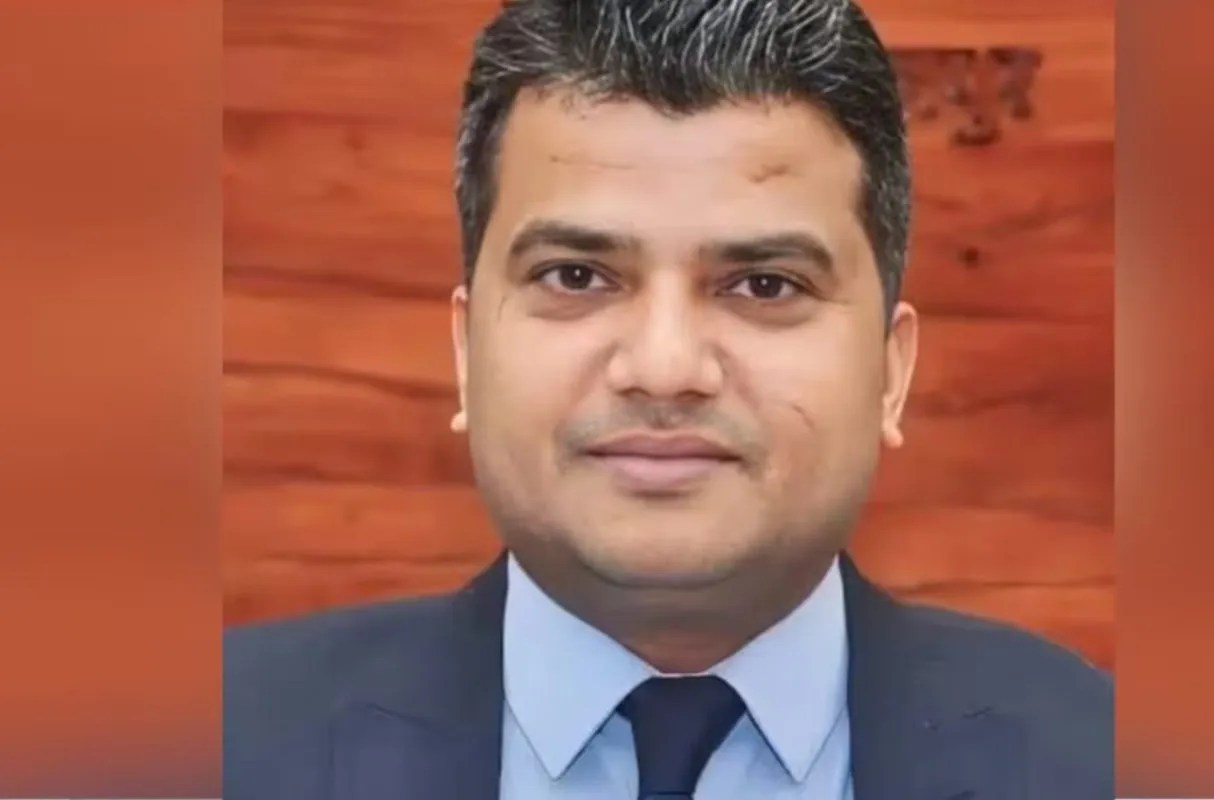
Prayagraj DM Manish Verma
The short clip shows Mr Verma at the camp, handling a pan and making bread in front of onlookers. Supporters saw the act as a gesture of solidarity and approachability, while critics questioned whether a district magistrate should participate in such informal interactions that may be perceived as political theatre.
Deputy Chief Minister Keshav Prasad Maurya publicly criticised the move, saying the video raised questions about propriety. Local political leaders and commentators have weighed in, turning what might have been a routine community visit into a broader conversation about the boundaries between administrative duties and public image management.
District magistrates are senior administrative officers responsible for maintaining law and order, overseeing development work and coordinating disaster response at the district level. Their actions are often scrutinised, particularly in politically charged environments. Mr Verma’s appearance at Satua Baba’s camp has therefore attracted attention beyond usual bureaucratic circles.
Officials familiar with the matter said that district officers often attend local events to assess ground realities and engage with community leaders. Such visits can help administrators gather first hand information and foster local trust. The viral nature of the video, however, changed the dynamic from routine engagement to a story that political actors could exploit.
Analysts note that the episode underscores the fine line senior civil servants must walk in public-facing activities. Visible gestures designed to show approachability can be interpreted in multiple ways depending on the wider political context. In Uttar Pradesh, where local opinion and party politics are closely intertwined, even small incidents can be amplified.
For his part, Mr Verma has not issued an extensive public statement beyond acknowledging the visit. It remains unclear whether the district administration will take any formal steps in response to the criticism or whether the matter will recede as another item in the day’s news cycle.
The episode offers a reminder that administrative engagement and political optics frequently intersect in India’s districts. How the district administration and political leaders manage the aftermath could shape perceptions of impartiality and professionalism in the coming days. For now, the viral video continues to circulate, prompting debate about the role and expectations of public servants in visible community interactions.