Key Takeaways:
- Vietnam cadre training reform emphasises practical skills and modern governance capacities for strategic leaders.
- The Ho Chi Minh National Academy is strengthening research, policy advice and digital tools to support national decision making.
- Training will incorporate artificial intelligence, digital transformation and international cooperation to raise teaching quality and global standing.

Vietnam advances cadre training with practical, modernised approach
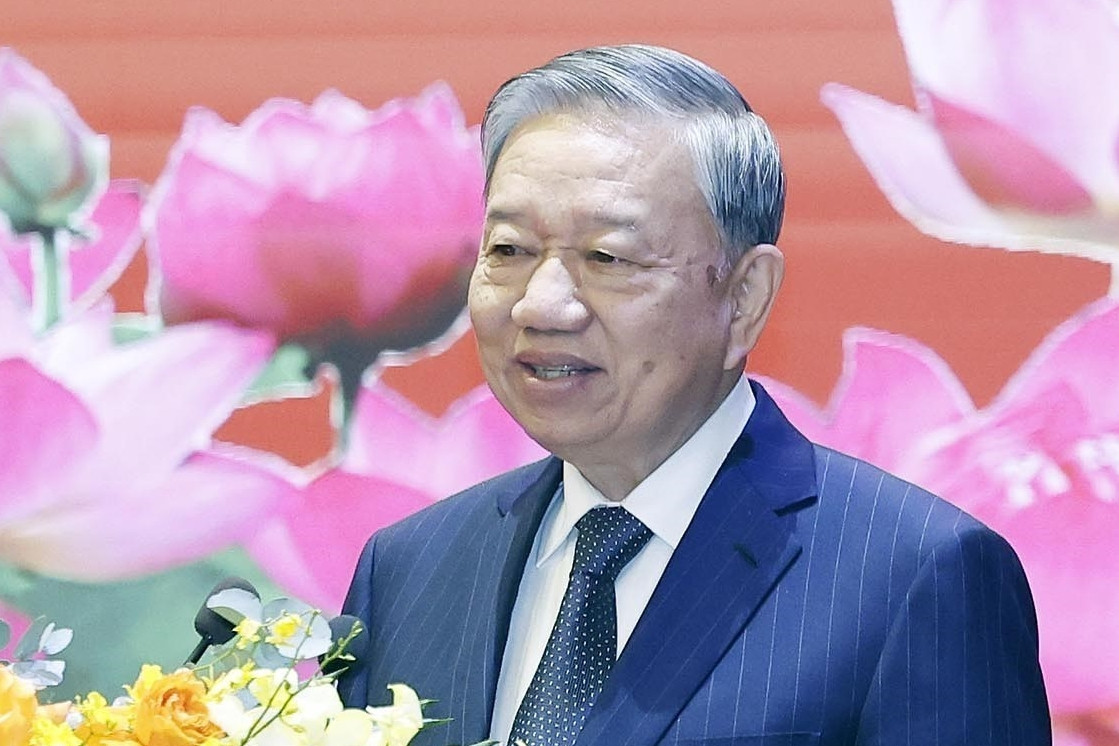
The General Secretary Tô Lâm urged a fundamental renewal of cadre training at a year-end conference held by the Ho Chi Minh National Academy of Politics in Hanoi on 30 December. The meeting reviewed 2025 achievements and set priorities for 2026, with a focus on practical, measurable results in leadership education ahead of the 14th National Congress.
Vietnam cadre training reform to emphasise practical skills
The General Secretary praised the Academy for its role as the central school of the Party, noting its contributions to theory, policy advice and the training of strategic-level officials. He described 2025 as a year of significant work: revising institutional structures, expanding research capacity and participating in the drafting of foundational documents such as the centenary review of Party leadership and the 40-year assessment of the 1991 Platform.
Officials at the conference highlighted three core pillars of the Academy’s work: research and synthesis of practice, policy advisory services for the Party and state, and the education and development of cadres. The leadership called for training programmes that move beyond one-way lectures to collaborative models in which instructors and participants co-create knowledge and practical solutions.
Reforms will place outcome-based assessment at the centre of curriculum design. The measure of success, the General Secretary said, must be the quality of implementation after training. Programmes will be updated to develop modern governance competencies such as policy design, inter-agency coordination, risk management, digital transition leadership and public engagement.
Digital transformation is a key strand of the proposed changes. The Academy was instructed to adopt digital tools and selected artificial intelligence applications to raise productivity, enhance forecasting and support decision-making. Leaders stressed that technology should augment human judgement and creativity rather than replace academic rigour or ethical standards.
The conference also underlined the importance of strengthening the nationwide network of provincial political schools. The Academy should support these institutions by sharing curricula, training methods and digital infrastructure, and by linking education to local practice. This decentralised approach aims to ensure that cadre development addresses the specific governance demands of different localities.
International cooperation remains a pillar of the Academy’s strategy. The General Secretary acknowledged the Academy’s role in academic diplomacy, including exchanges with ruling parties and academic centres abroad. Targeted cooperation, he said, will enhance the institution’s global standing and bring comparative insights to Vietnam’s curriculum reform.
Youth development and talent management were also prominent themes. The Academy will prioritise identifying and nurturing young scholars and practitioners through incentives, research grants and opportunities for practical experience. Strengthening the pipeline of future leaders is presented as a long-term strategic necessity.
Finally, the General Secretary presented the Academy with the First-Class Labour Order in recognition of its achievements in implementing institutional reforms. The award reflects both organisational renewal and a commitment to high-quality theory and training work.
As Vietnam prepares for the 14th National Congress, the Academy’s modernisation drive aims to produce cadres equipped for complex governance challenges, skilled in digital tools and grounded in research-informed practice. The planned reforms seek to align political education with the country’s strategic priorities and the demands of public service delivery in a rapidly changing world.