











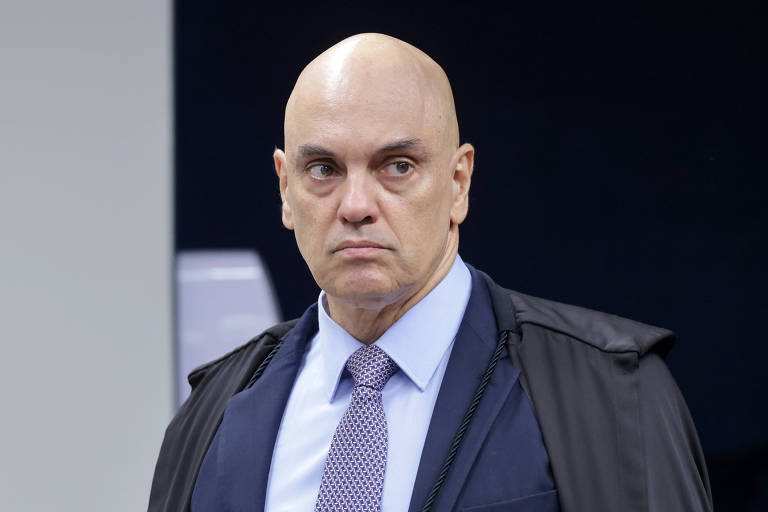
Malu Gaspar of O Globo published two reports late in 2025 that sparked a sharp political reaction and a wider debate about source protection and the role of investigative journalism in Brazil. The reports disclosed the content of a contract involving Viviane Barci, wife of Supreme Federal Court minister Alexandre de Moraes, and revealed telephone contacts between the minister and the Central Bank during the Banco Master crisis.
The stories prompted a sustained campaign from Brazil’s political hardline activists, who demanded the identities of the journalist’s sources and labelled the reporting conspiratorial. The attacks have drawn criticism from press freedom advocates who say the demands amount to an attempt to intimidate journalists and chill investigative reporting.
Malu Gaspar sources and the ethics of protection
Professional journalism relies on confidential sources to surface information that would otherwise remain hidden. Democratic legal systems protect the confidentiality of sources so that whistleblowers, insiders and others can disclose wrongdoing without fear of retaliation. Without such protections, many stories of public importance would never reach the public domain.

Sources come forward for different reasons: civic outrage, the wish to correct a perceived wrong, personal revenge or self‑interest. Editors and reporters weigh these motives against two simple tests: is the information true, and is it of public interest? When the answer to both is yes, publication is justified. Equally, journalists must verify facts and guard against manipulation; credibility is the currency of the trade.
In this episode, critics who demand proof by way of source disclosure confuse the roles of press and judiciary. Courts adjudicate evidence, while journalism discloses verified information to inform public debate. By insisting on exposing sources, the critics adopt a tactic more typical of regimes that seek to silence dissent and deter future revelations.
Those attacking the reporting have framed their objection as partisan, arguing that the revelations serve political ends. Yet scrutiny of ethical issues involving senior public figures can strengthen institutions by making them accountable. The proper response to uncomfortable facts is public debate and, where appropriate, legal investigation — not attempts to discredit the messenger without engaging the substance of the claims.
O Globo and Malu Gaspar maintain that their reporting followed standard verification procedures. To rebut the stories, detractors would need to show factual errors or produce contrary evidence. So far, opponents have focused on the identity of sources rather than on disputing the core assertions.
Beyond the immediate controversy, the episode matters for Brazil’s democratic health. Safeguarding the confidentiality of sources encourages the flow of information that citizens need to hold institutions to account. At the same time, news organisations must continue to apply rigorous checks to avoid publishing false or misleading accounts.
The clash over these reports is not unique to Brazil, but it is a reminder that press freedom and accountability go hand in hand. Protecting journalists and their sources preserves the public’s ability to monitor power, while transparent investigation and debate help ensure that allegations are fairly scrutinised and addressed.

Key Takeaways:
- Investigative pieces by Malu Gaspar revealed a contract linked to Viviane Barci and phone contacts between Alexandre de Moraes and Brazil’s central bank, raising public interest questions.
- Malu Gaspar sources are at the heart of the dispute, emphasising the role of confidential informants in exposing potential ethical concerns.
- Demands for source disclosure reflect political pressure rather than efforts to contest the factual claims, raising concerns for press freedom.
- The debate highlights tensions between accountability for public figures and protections that enable investigative journalism.








