











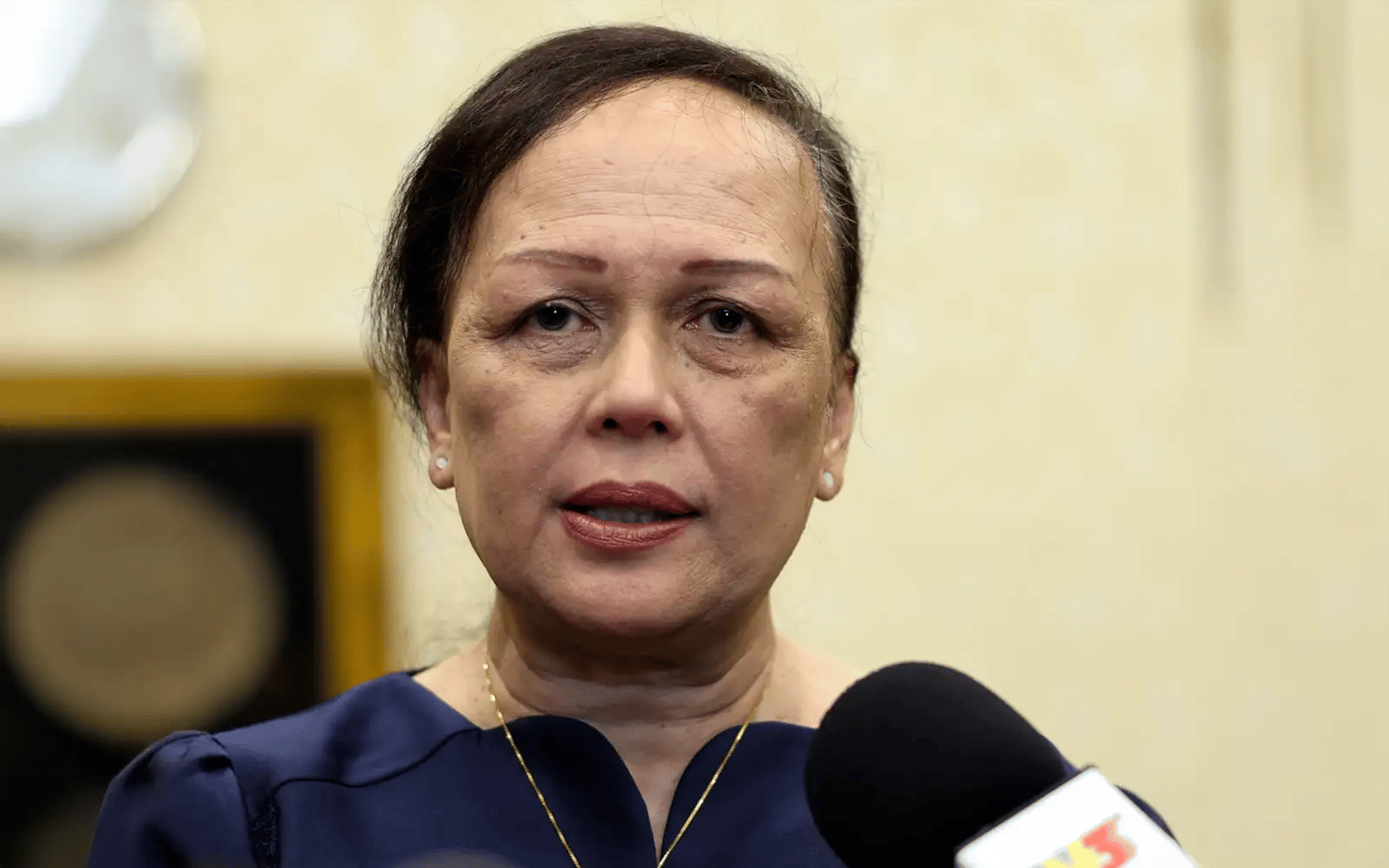
Malaysia has appointed former Chief Judge of Malaya Hasnah Mohammed Hashim as chair of the new Online Safety Committee, with Lim Thean Shiang serving as deputy chair. The committee was established under the Online Safety Act 2025, which came into force yesterday, and nine members have been named to serve three-year terms ending 31 December 2028.
online safety committee Malaysia to advise on harmful content
Minister in the Prime Minister’s Department for Law and Institutional Reform Azalina Othman Said confirmed the appointments, saying the committee brings together expertise from the public sector, private industry and civil society. Members include representatives of licensed application service providers and licensed network providers, as well as a designated representative for persons with disabilities.
Other appointees are Barhoum Abe Abed, who will represent licensed app service providers; Mohd Kasyful Azim Ab Rahman, representing licensed network providers; and Ruzimi Mohamed, representing persons with disabilities. The remaining members are Zurkarnain Mohd Yasin, Thiyagu Ganesan, Jahaberdeen Mohamed Yunoos and Wathshlah Naidu. The committee was selected for its combined experience and technical knowledge of online safety and cyber threats.

The committee will have substantive duties rather than purely administrative functions. It will advise the Malaysian Communications and Multimedia Commission on the classification of harmful content and priority areas, including child sexual exploitation and financial scams. The panel is also tasked with setting methods for risk analysis and recommending mitigation strategies to protect users from online harm.
In addition to advising on content classification, the committee will assess the effectiveness of complaint mechanisms and monitor enforcement of laws related to illegal online content. The group will carry out technical research and expert analysis on emerging cyber threats, with a particular focus on the misuse of artificial intelligence and the growing use of deepfake technology.
By placing technical research at the heart of its mandate, the committee aims to give regulators and service providers evidence-based guidance on how best to curb harm while preserving legitimate online expression. The inclusion of representatives from service providers and civil society is intended to ensure that guidance reflects operational realities as well as user protection priorities.
Azalina said the committee’s remit includes advising on classification frameworks that service providers must use when identifying and handling different kinds of harmful content. It will also recommend improvements to complaint processes so users can seek redress more effectively, and evaluate enforcement actions to ensure consistency and compliance with the law.
Observers said the committee’s formation signals a more structured approach to online safety in Malaysia, where concerns over child protection, misinformation, fraud and emergent AI threats have been rising. The committee’s term through 2028 gives it a multi-year horizon to develop standards, test mitigation strategies and monitor outcomes.
Next steps will include the committee’s first meeting to set priorities and an initial programme of technical studies. Officials expect the panel to issue advisory guidance to the communications regulator and to propose frameworks that platforms and network operators can apply when moderating content and responding to user complaints.
The creation of the Online Safety Committee under the new Act is a key element of Malaysia’s effort to strengthen digital safeguards and ensure that technological advances do not outpace protections for vulnerable users.
Key Takeaways:
- Hasnah Mohammed Hashim named chair of the new online safety committee established under the Online Safety Act 2025.
- Committee includes representatives from public and private sectors, civil society and persons with disabilities.
- Mandate covers classification of harmful content, risk analysis, complaint mechanisms and monitoring enforcement.
- Committee will research new cyber threats including AI misuse and deepfakes to protect users.








