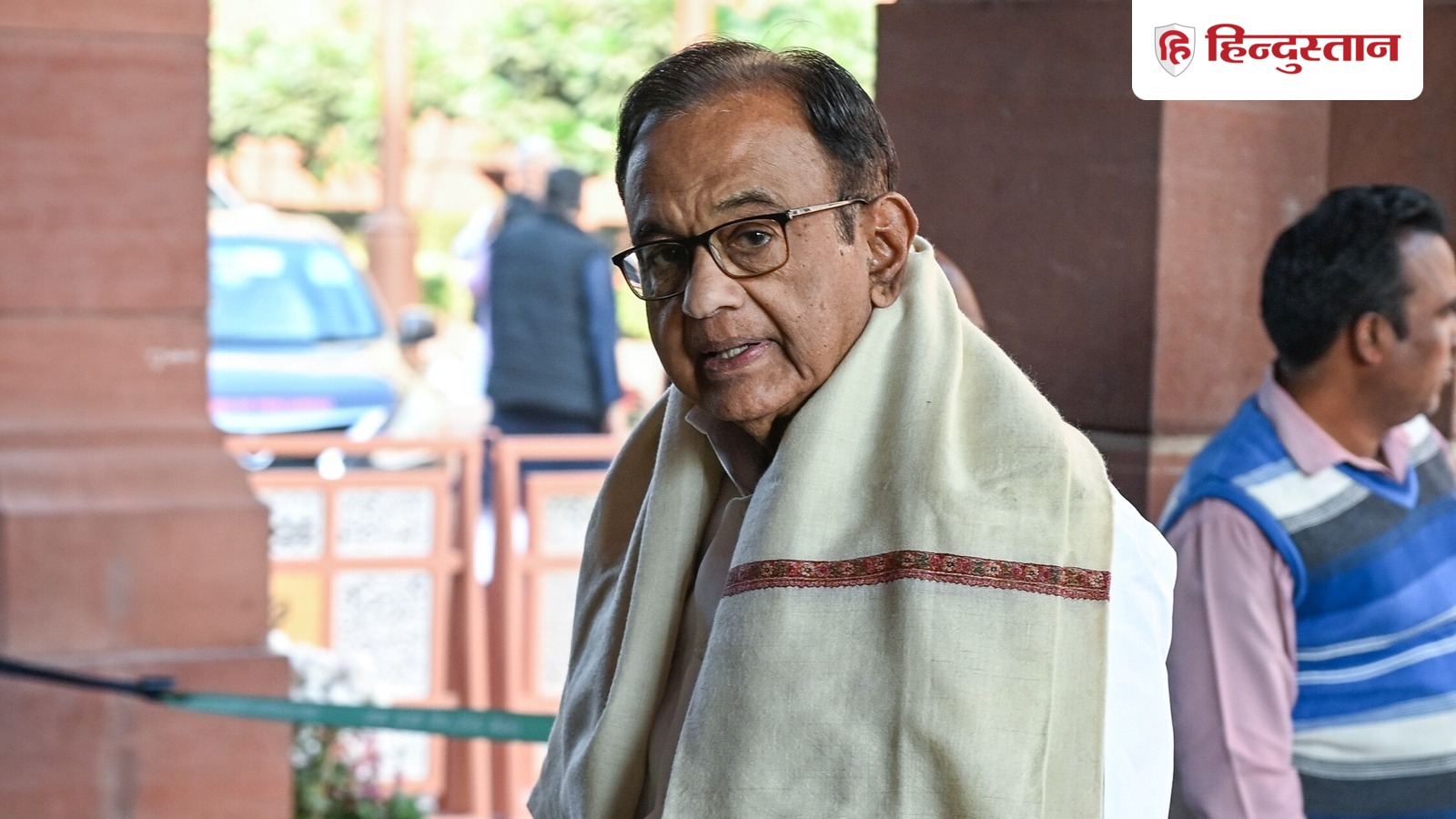
Former finance minister P. Chidambaram’s recent remarks that a state’s economic health cannot be judged solely by its total debt have provoked a sharp political exchange between the Congress ally DMK and the BJP ahead of the Tamil Nadu assembly polls.
Tamil Nadu Uttar Pradesh debt comparison at centre of debate
Chidambaram told a public meeting that comparing Tamil Nadu and Uttar Pradesh on the basis of aggregate debt is misleading, because debt levels rise in absolute terms across states and the country each year. He argued that such a metric overlooks the purpose for which borrowing has been undertaken and can produce a distorted picture of fiscal management.
The BJP responded quickly, accusing Chidambaram of making a politically motivated statement designed to influence voters. Tamil Nadu BJP leader Narayanan Tirupathi, writing on the social platform X, said that while the former finance minister’s argument may seem plausible at first glance, it ignores crucial distinctions in how borrowed funds are spent.

“Borrowing is not inherently wrong,” Narayanan wrote. “The real question is what the debt is financing. If it is invested in capital expenditure, infrastructure and asset creation, it can spur industrial growth, generate jobs and widen the revenue base. If it is used for populist recurring spending, the state can fall behind.”
To support its critique, the BJP pointed to capital expenditure data. The party noted that Uttar Pradesh, despite having nearly three times the population of Tamil Nadu, has increased capital expenditure at an average rate of around 30 per cent in key sectors such as transport, energy and urban development over the past five years. Tamil Nadu’s capital spending, the BJP said, has risen only in the 10–15 per cent range in the same period.
Narayanan acknowledged Tamil Nadu’s historical strengths, saying the state has been more developed and economically robust compared with many others. However, he argued that states that were once lagging have been catching up because they have prioritised infrastructure investment, implying Tamil Nadu should not rest on past laurels but should pursue fresh, growth-oriented policies.
Political context is central to the exchange. The DMK, in alliance with the Congress, is seeking to retain or regain power in Tamil Nadu, while the BJP is campaigning alongside its regional partner AIADMK. Both camps are using fiscal performance and development narratives to appeal to voters ahead of the polls.
Policy specialists say the disagreement highlights an important public policy debate: the distinction between debt levels and debt quality. Measuring fiscal prudence requires attention to indicators such as capital expenditure as a share of the budget, the expected return on investment from borrowed funds, and prospects for revenue growth that can service liabilities over time.
Analysts caution against simplistic comparisons that do not account for different state sizes, population, development needs and administrative capacities. They add that transparent reporting of how borrowed funds are deployed, and independent assessments of the impact of capital projects, would help voters evaluate claims from competing political narratives.
As the election campaign intensifies, the Tamil Nadu Uttar Pradesh debt comparison is likely to remain a theme in public debate, with both parties seeking to frame the fiscal story in terms favourable to their electoral prospects.
Key Takeaways:
- Former finance minister P. Chidambaram argued that a state should not be assessed solely on total debt, sparking controversy.
- BJP countered that the key issue is how debt is used, citing increases in capital expenditure in Uttar Pradesh.
- The debate centres on the Tamil Nadu Uttar Pradesh debt comparison amid looming Tamil Nadu assembly elections.
- Parties are using fiscal narratives to shape voter perceptions on development and governance.