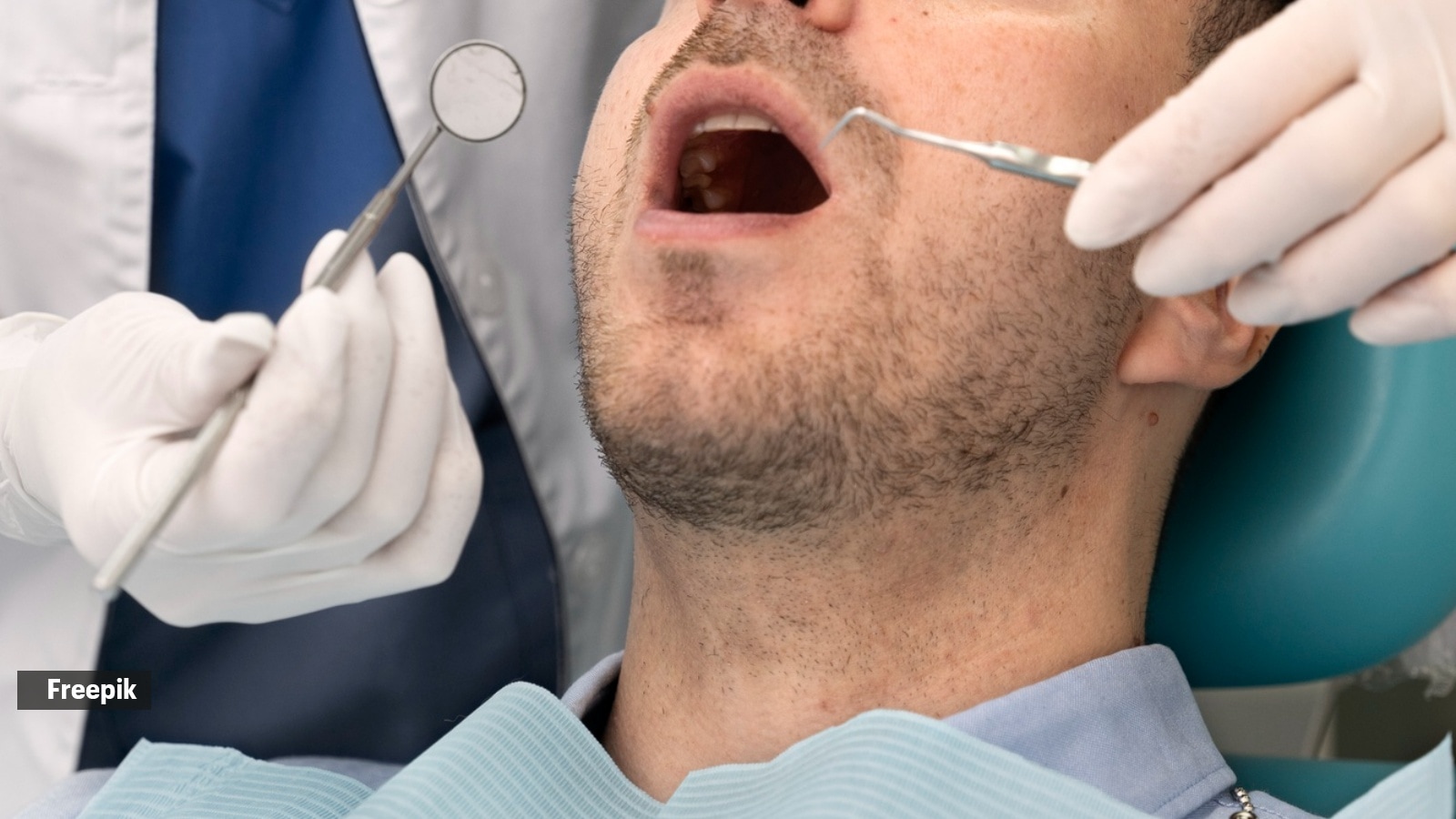
Space agencies take a cautious approach to crew health. For long-duration missions, even a routine dental problem can become an urgent threat when astronauts are months or years from Earth. That is why many programmes require the removal of wisdom teeth and occasionally the appendix before launch.
India’s first astronaut to reach the International Space Station, Shubhanshu Shukla, disclosed that he had two wisdom teeth extracted as part of pre-flight medical checks. “Your dental health is extremely important,” the Indian Air Force officer told students at IIT Bombay. “You are trained medically to take care of any emergency or any situation that comes on board. But if there is one thing you cannot do, it is dental surgery. So they make sure that you will not have any problem before you launch.” He added that aspiring astronauts must be prepared to give up on their wisdom teeth.
Wisdom teeth removal in space: why prevention matters
Dental and abdominal conditions such as impacted wisdom teeth or appendicitis are unpredictable. They may remain silent for years but can flare up suddenly and require urgent surgical care. In orbit, the capacity to diagnose, operate and provide post-operative care is severely limited. Dr Hamid Raihan, senior consultant and head of dental services at Asian Hospital, notes that space medicine follows a philosophy of risk elimination rather than response.

Microgravity brings physiological changes that can worsen oral and abdominal issues. Astronauts often experience facial congestion and altered saliva flow, which can increase dental inflammation and discomfort. Bone density loss and a degree of immune suppression in space can slow healing and raise the chance of infection. In the case of appendicitis, the progression of inflammation may differ from what clinicians expect on Earth, and changes in pain perception can delay recognition.
Performing invasive procedures in microgravity presents practical difficulties. Maintaining a sterile environment, controlling bleeding, and conducting precise surgical movements are all harder when there is no gravity. Medical kits and training cover basic emergencies, but complex surgery requires specialised imaging, anaesthesia and postoperative monitoring that are not available on most spacecraft. Evacuation back to Earth can take days or weeks during deep-space missions, making prevention the safest option.
Removing wisdom teeth before launch reduces the likelihood of acute dental infections while on a mission. The preventive policy also applies to other episodic threats such as the appendix. Selecting and preparing crew for extended voyages therefore includes a broad review of items that could suddenly incapacitate an astronaut.
For space agencies, the decision balances the low short-term risk of surgery against the potentially catastrophic consequences of an in-flight emergency. Advances in telemedicine, compact diagnostics and surgical tools may change that calculus over time, but for now the priority is to reduce avoidable medical events before departure.
As human spaceflight extends beyond low Earth orbit, pre-flight medical screening and preventive procedures will remain a central part of mission planning. The aim is simple: ensure crews are as medically optimised as possible so they can focus on operations rather than health crises far from terrestrial care.
Key Takeaways:
- India’s first ISS astronaut had two wisdom teeth removed as a preventive measure before flight.
- Wisdom teeth removal in space is recommended because microgravity alters healing, immunity and diagnostic clarity.
- Space medicine favours risk elimination over in-flight treatment due to limited surgical and evacuation options.