











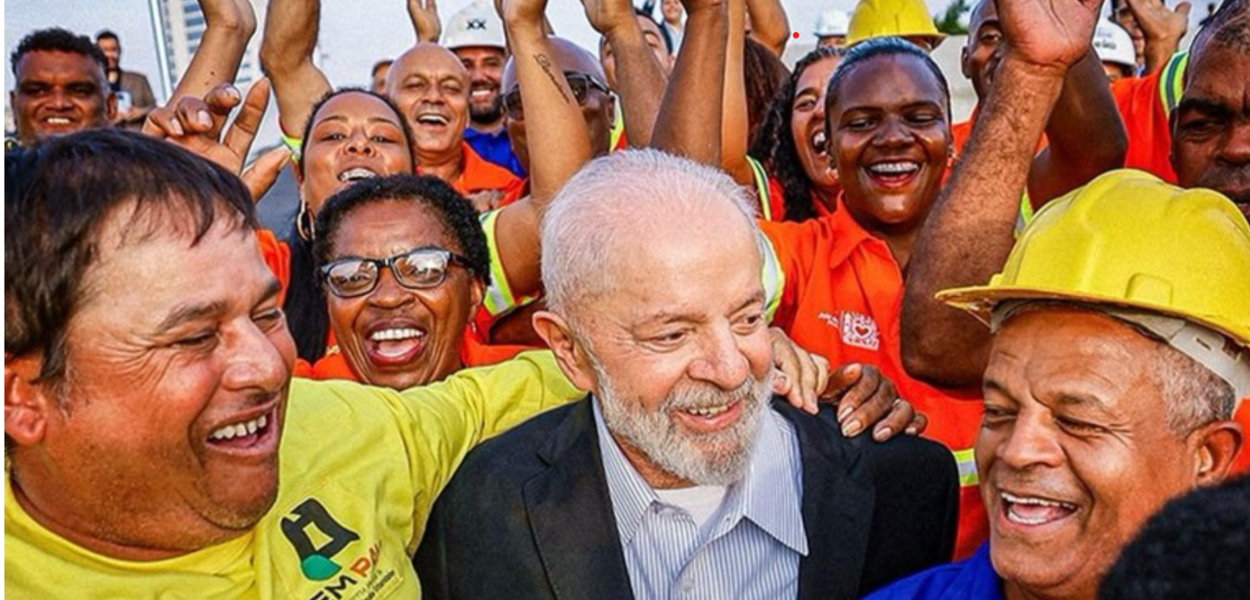
Supporters of President Luiz Inácio Lula da Silva are casting his possible fourth term as a necessary step to consolidate recent social and economic gains in Brazil. The message from the labour movement is clear: change is never achieved by one person alone. It requires organised popular action and sustained political commitment.
Lula re-election as a mandate for organised labour
Those backing the government argue that the recovery from years marked by social neglect and hostility to public life did not happen by accident. Public policies were restored, hunger was tackled again, employment figures started to recover and Brazil regained respect on the international stage. Supporters say these results were the outcome of political choices shaped by collective mobilisation and conscious voting.
The narrative emerging from unions and worker organisations is not merely an election slogan. It is presented as the synthesis of a longer political project that, in their view, must be continued. For many activists, Lula re-election is not a luxury but a practical necessity if the country is to finish the work of rebuilding social protection, strengthening labour rights and expanding public services.

But the re-election campaign faces clear obstacles. A conservative Congress, frequently described by critics as beholden to market interests, continues to resist measures that would expand social protections. Organisers warn that electing the president alone is not enough; the balance of power in the legislature must also change if reforms are to be safeguarded.
Trade unions are identified as central actors in that struggle. They organise the base, keep workplace concerns visible, and translate individual frustration into collective action. Campaign rhetoric stresses that preserving rights won through decades of struggle will depend on continued union mobilisation, grassroots organising and strategic political engagement.
Voices within the labour movement underline that the road ahead remains difficult. Inequality is still pronounced, and labour rights continue to face pressure. The state remains subject to forces that would limit social spending, shrink public services and increase privileges for a small elite. For many, the only way to resist is collective participation: campaigning in communities, supporting legislative candidates who back workers’ rights, and sustaining pressure through strikes and demonstrations when necessary.
At its core, the debate is framed as a choice about responsibility. Supporters of a fourth Lula term urge citizens to see voting as part of a broader commitment to public life rather than an act of personal hope alone. They call for strengthened unions, more active civic engagement and an explicit strategy to win seats in Congress that align with a social justice agenda.
As election season approaches, the question for many Brazilians is whether they will respond to the call for collective action. The labour movement’s appeal is to turn hope into organised effort. For its backers, the future of Brazil’s social and economic progress hinges on whether that appeal translates into votes, representation and continued mobilisation.
Key Takeaways:
- Workers and unions frame the Lula re-election as a collective project to preserve social gains.
- Policies tackling hunger, employment and international standing are cited as achievements to defend.
- Organised labour and a mobilisation of votes are deemed essential to counter a conservative Congress.








