











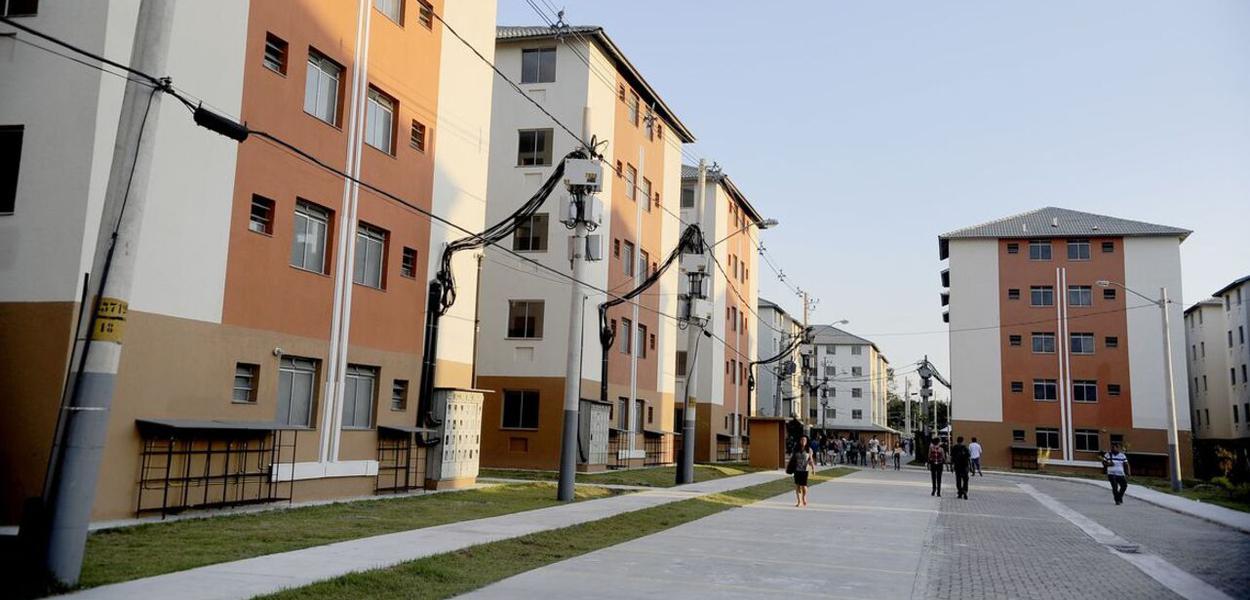
MRV&CO has leaned heavily on Brazil’s Minha Casa Minha Vida programme to drive growth through a challenging macroeconomic period, launching more than 31,000 residential units across the country in the first nine months of 2025. According to company reports and interviews with CEO Eduardo Fischer, 97 per cent of those units qualify for the federal social housing scheme, which has become central to the developer’s strategy amid high interest rates and cost pressure.
Brazil housing market outlook
The focus on the affordable market delivered tangible results: MRV recorded a 17.6 per cent rise in operating revenue and a 35.5 per cent increase in gross profit in the period. Fischer attributes the performance to structural demand driven by Brazil’s historic housing deficit and to continued public support through subsidies and favourable financing conditions under the federal programme.
As part of a broader restructuring, MRV has exited smaller municipalities, sold land holdings and reduced its international footprint. The company is also progressing a planned divestment of its US business, Resia, with roughly US$150 million of assets already sold and a target of US$800 million in disposals by 2026. Domestically, MRV operates about 270 construction sites in 22 states, maintaining wide geographic reach even as it concentrates on higher-throughput markets.

Fischer stressed that housing policy now enjoys bipartisan recognition as a tool for social and economic improvement, which lowers political risk for developers. He said state and regional initiatives complement the federal programme, creating a more predictable environment for long-term planning and pricing.
Nevertheless, the company faces material headwinds. Fischer described current annual interest rates of 15–18 per cent as corrosive to business, even though low-income buyers are partially shielded via the rules governing FGTS financing. He warned that rising construction inflation, which has outpaced the official consumer-price index, requires careful price formation because projects are sold today and delivered in the future.
The Faixa 1 segment of the MCMV accounts for roughly 25 per cent of MRV’s sales but faces pressure as purchasing power erodes. Fischer urged an upward revision of the maximum income threshold above R$2,850 to prevent low-income families from being pushed out of the market and to preserve the segment’s viability. He also noted that fiscal incentives underpin the economics of serving the lowest-income buyers, and that proposals in a forthcoming tax reform could threaten those benefits.
Looking ahead, MRV expects gradual benefits from adjustments to the MCMV value caps, which the company says partially correct past inflationary losses. The developer also plans to increase industrialisation and automation on sites to mitigate labour shortages and improve productivity, though Fischer acknowledged that such changes will take time to scale.
Overall, MRV’s results reflect resilience in the affordable housing sector and a business model built around public programmes and operational discipline. With demand for housing firmly entrenched, the company is positioning itself to benefit if interest rates fall and policymakers sustain incentives that make homeownership attainable for low-income Brazilians.
Key Takeaways:
- MRV launched more than 31,000 residential units in the first nine months of 2025, with 97% under Minha Casa Minha Vida, boosting revenues and gross profit.
- The focus on affordable housing helped MRV post a 17.6% rise in operating revenue and a 35.5% increase in gross profit, reflecting demand in the Brazil housing market.
- Company strategy includes selling non-core assets, international divestment and greater industrialisation to counter high interest rates and labour shortages.
- MRV expects further relief from policy moves such as higher MCMV value ceilings, but calls for income thresholds and tax incentives to be maintained to protect low-income buyers.








