India’s retail credit market is entering a more mature phase as mainstream banks accelerate the roll-out of fully digital personal loans. What began as a fintech-driven quest for speed and convenience has evolved into a broader effort to combine instant access with the trust and prudence associated with traditional banking.
Digital personal loans India and what borrowers can expect
Banks are redesigning personal loan journeys to mirror how consumers discover, evaluate and use credit today. Lengthy, branch-centred processes are giving way to streamlined mobile applications that integrate digital identity layers, compress verification timelines and reduce physical touchpoints. Borrowers can now complete the entire borrowing process through a smartphone interface, with some products promising funds in as little as 30 minutes.
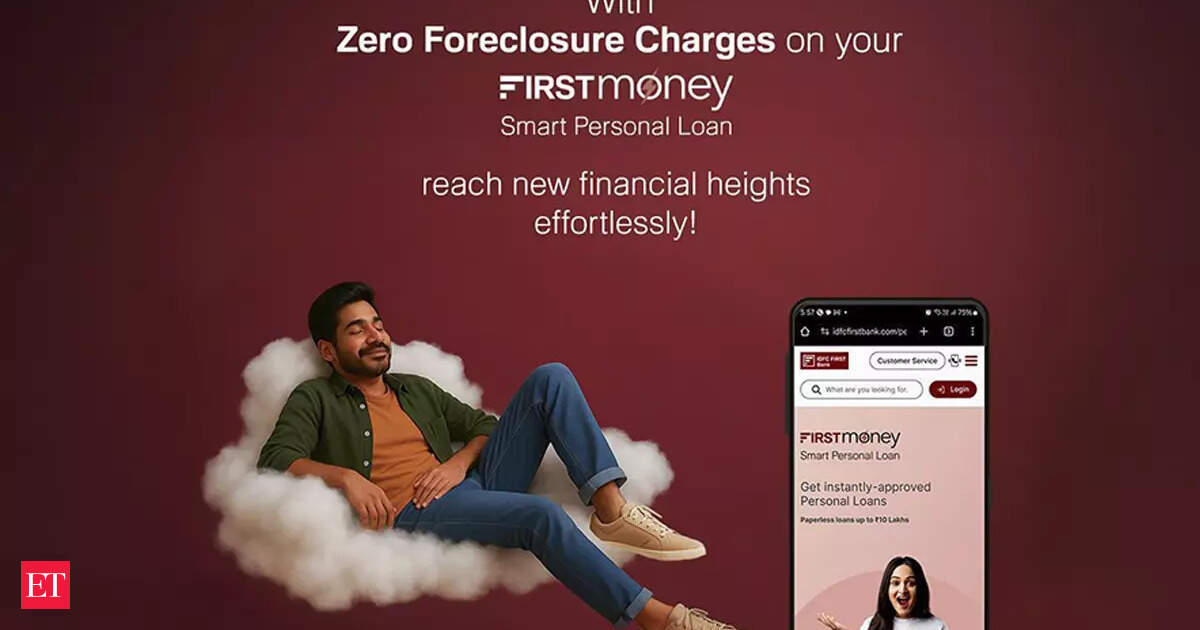
One prominent example is IDFC FIRST Bank’s FIRSTmoney. The offering reframes personal loans from single, static disbursals into modular credit lines. Approved borrowers may draw any portion of their sanctioned limit as needed, manage withdrawals within the app and foreclose without penalty. This model reflects rising consumer demand for flexibility and real-time control over borrowing.

From the lender’s perspective, the shift is not purely about speed. Banks are emphasising clear pricing frameworks and predictable repayment behaviour while delivering a unified interface that houses application, withdrawals, foreclosure and lifecycle management. Consistent in-app tracking, automated reminders and consolidated dashboards help borrowers understand obligations in real time, a transparency that was previously difficult to achieve in branch-led systems.
Interest-rate disclosure and predictable EMIs are key elements of the new design. Digital-first products typically present competitive rates and allow customers to choose tenures that match their budgets. FIRSTmoney, for instance, advertises rates starting at 9.99 per cent per annum and offers the flexibility to tailor repayment schedules, reinforcing affordability alongside immediacy.
Responsible lending remains central to this evolution. As digital journeys reduce friction, banks are reinforcing verification layers and eligibility criteria to ensure scale does not erode credit discipline. Income stability checks, credit-history assessments and adherence to regulatory guidance are shaping how digital personal credit grows, aligning convenience with prudential safeguards.
Industry-wide, lenders are adopting features that were once peripheral: app-based limit utilisation, simplified repayment pathways and modular borrowing. These design elements are becoming standard, reflecting a broader movement towards self-managed, flexible credit products that put borrowers in control while keeping risk management at the core.
Regulators and market participants are watching closely. The challenge for banks will be to scale digital access while maintaining underwriting quality and consumer protection. That balance will determine whether digital personal loans contribute to sustainable retail credit growth or merely accelerate short-term borrowing trends.
India’s next phase of retail credit growth is likely to be defined by products that balance ease with discipline and autonomy with clarity. Bank-led initiatives such as FIRSTmoney illustrate how established financial institutions are adapting: delivering immediacy without sacrificing the formal disciplines of banking. For borrowers, the result should be a more intuitive, transparent and dependable borrowing experience that aligns with modern financial behaviour.
Key Takeaways:
- India’s retail credit market is shifting as banks scale paperless, app-based lending.
- IDFC FIRST Bank’s FIRSTmoney exemplifies bank-led modular personal loans with in-app withdrawals and no foreclosure charges.
- Digital personal loans India are prioritising transparency, predictable EMIs and quicker disbursals while maintaining credit discipline.
- Regulatory-aligned verification and responsible lending guardrails aim to balance access with prudence.