











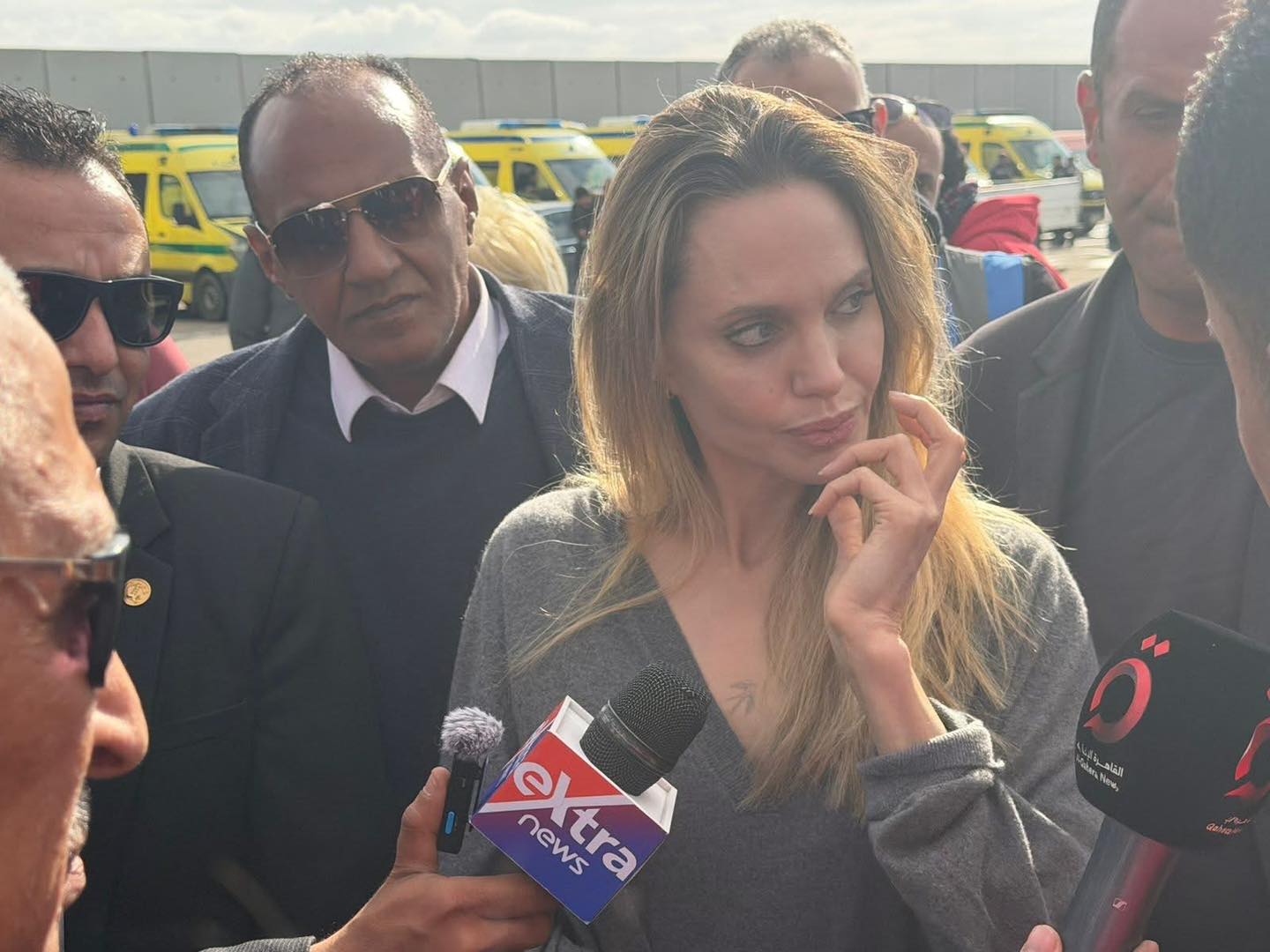
Angelina Jolie, the American actress and former United Nations special envoy for refugees, visited the Rafah land crossing on Friday 2 January to see conditions first hand and press for a rapid increase in humanitarian assistance to the Gaza Strip. The visit was intended to draw attention to the scale of human need and to encourage faster movement of aid into the territory.
Jolie was accompanied by a delegation from the US State Department and met Egyptian officials at the crossing, including Khaled Maghawer, Governor of North Sinai, and Nabila Makram, former Minister of Migration. Officials said the Egyptian side of Rafah remains open and is prepared to receive injured and sick Palestinians for treatment in Egyptian hospitals.
Gaza humanitarian aid needs immediate scaling up
Governor Maghawer told visiting delegates that Egypt has not closed its side of the crossing since 7 January 2023. He indicated that any interruptions to the movement of people and goods have occurred on the other side of the border. The governor’s comments were delivered as Jolie and the State Department delegation sought to highlight the urgency of widening channels for medical evacuations and supplies.

Officials and aid workers on the ground describe a worsening humanitarian situation across Gaza, with shortages of medical supplies, water, fuel and shelter. Jolie used the visit to call for a concerted international effort to ensure aid convoys can reach those most in need and for predictable, sustained access through land crossings such as Rafah.
The visit coincides with increased diplomatic activity in the region. Foreign ministers from Egypt, Jordan, the United Arab Emirates, Indonesia, Pakistan, Türkiye and Saudi Arabia have been engaged in discussions aimed at coordinating relief and improving humanitarian access. Observers say such regional cooperation may help streamline logistics and provide political backing for expanded assistance.
Humanitarian organisations have repeatedly urged both parties involved in the conflict to allow unfettered access for relief agencies. Medical staff and Egyptian hospitals stand ready to accept more patients, Egyptian officials said, provided security and transit arrangements are secured to permit safe passage.
Jolie’s trip was partly symbolic but also practical. By visiting Rafah in person she drew public attention to bottlenecks at the crossing and to the personal stories of families and medical staff facing extreme pressure. Her presence, alongside US and Egyptian officials, was intended to reinforce the message that the international community has a responsibility to act swiftly to prevent further humanitarian deterioration.
Diplomats say next steps are likely to involve intensified coordination between donor countries, humanitarian agencies and border authorities to agree procedures that protect civilians while enabling larger, more regular aid flows. The role of neighbouring states such as Egypt remains central because of their ability to receive patients and handle logistics for onward transfer.
As international concern grows, the focus will remain on converting diplomatic statements into practical measures that increase deliveries of food, medicine and fuel and provide safe medical evacuation routes. Jolie’s visit added weight to those calls and underlined the urgency felt by aid agencies working in extremely difficult conditions.
Key Takeaways:
- Angelina Jolie visited the Rafah crossing to highlight urgent needs and press for increased Gaza humanitarian aid.
- Egyptian officials say their side of Rafah remains open and can receive injured Palestinians for treatment.
- The visit, accompanied by a US State Department delegation, adds momentum to regional diplomatic efforts to speed aid deliveries.
- Foreign ministers from several countries are meeting to coordinate responses and bolster humanitarian access to Gaza.








