











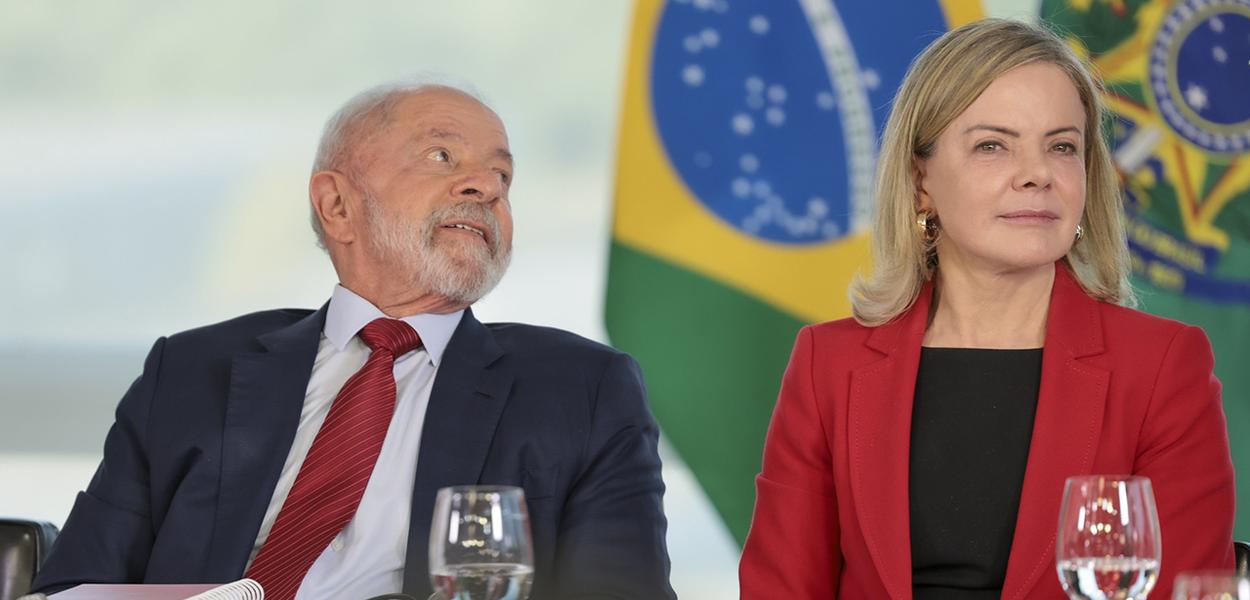
Minister of Institutional Relations Gleisi Hoffmann responded sharply on 2 January to a front-page report in Folha de Se3o Paulo that questioned the sustainability of President Luiz Ine1cio Lula da Silvab4s fiscal policy. The newspaper cited reports from the Ipea and the Independent Fiscal Institution (IFI) suggesting that public spending in Lulab4s third term could outpace revenues and push the debt-to-GDP ratio higher.
Brazil fiscal policy faces scrutiny
Gleisi characterised the article as a reprise of what she called “terrorismo fiscal” and accused critics of using alarmist coverage as an electoral strategy. Writing on social media, she argued that the piece ignored central data about the governmentb4s fiscal effort and shifted debate away from what she described as gains in the real economy, including increased employment, higher wages and expanded social spending.
The Folha report attributed concerns to analyses by Ipea and the IFI. It noted that, despite improvements in household incomes and broader measures of well-being since 2023, expenditures exceeding receipts may be placing pressure on public services. The newspaper also referenced projections that the ratio of public debt to GDP could rise under current fiscal settings.

The Finance Ministry pushed back, saying the suggestion of a fiscal crisis was misplaced. In a statement quoted by the newspaper, officials said the government met its 2024 primary result and complied with the fiscal framework. The ministry highlighted a substantial narrowing of the primary deficit early in the administration and attributed improvements to disciplined spending, fewer unnecessary outlays and revenue growth driven by an expanding economy.
Gleisi emphasised the governmentb4s prioritisation of social measures, citing real increases in the minimum wage and in pension floors, together with strengthened budgets for health and education and higher public investment. She said the administration is tackling what it sees as unfair tax burdens by shifting taxation away from workers and towards wealthier taxpayers who historically paid less.
Analysts who supplied material to the Folha noted that interest costs are the fastest-growing component of public expenditure and represent a long-term fiscal challenge. Rising debt-service costs can limit fiscal flexibility and affect day-to-day services, the critiques said, a point that the government does not dispute but places in the context of an improving primary balance and stronger revenues.
With Brazil in an election year, the fiscal debate is likely to intensify. Opposition figures may use reports on fiscal strain to criticise spending priorities, while the government will present economic indicators such as job creation and income growth as evidence that its policy mix is working. Observers say the coming months will hinge on updated fiscal numbers from Ipea and IFI, execution of this yearb4s budget, and movements in interest rates and growth.
For international observers and markets, the key questions remain whether the government can maintain fiscal discipline without reversing social gains, and how interest costs will evolve. Both sides in the dispute point to different risks: one warns of a squeeze from rising debt-service payments, the other highlights the political and social costs of premature fiscal retrenchment. The outcome will shape the tone of fiscal policy debate across Brazilb4s election cycle.
Key Takeaways:
- Brazil fiscal policy draws fresh scrutiny after Folha publishes a report citing Ipea and IFI assessments.
- Minister Gleisi Hoffmann accuses the paper of promoting ‘fiscal terrorism’ and defends government spending on wages, health and education.
- Government and Finance Ministry reject claims of a fiscal crisis, pointing to near-zero primary deficit and stronger revenues from growth.








