











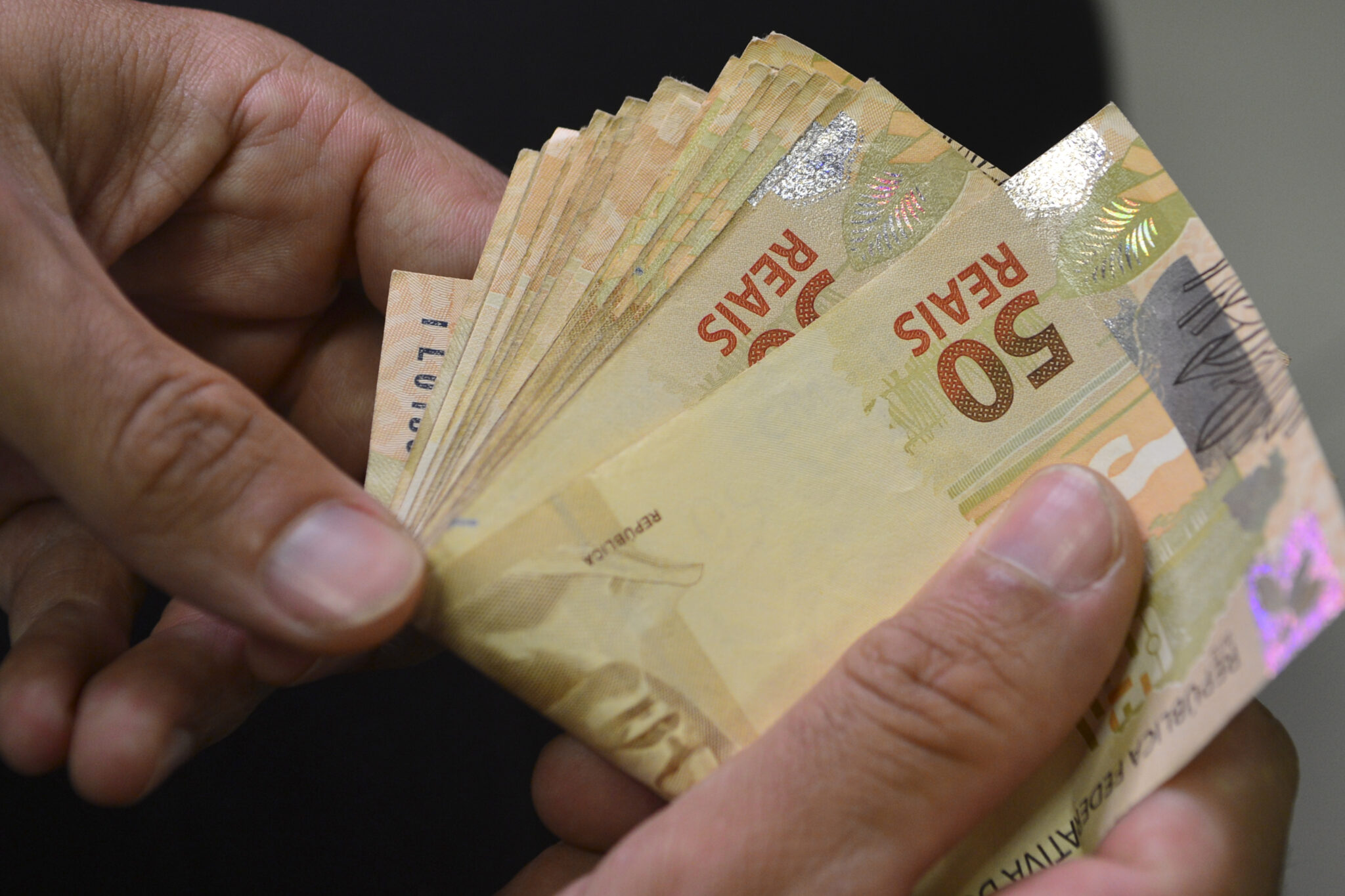
Brazil’s public debt has risen, but a broad swathe of economists and government officials argue the increase does not yet represent an immediate fiscal threat. The National Treasury reported gross public debt at 79% of gross domestic product and net debt at 62.5%. Analysts say the composition of that debt and the macroeconomic context matter more than headline ratios.
Brazil’s public debt in perspective
One key point is currency denomination. According to specialists quoted by Brazil de Fato, the vast majority of Brazil’s debt is denominated in the national currency. That reduces the risk of currency-driven distress because the sovereign can issue local-currency bonds and manage financing through domestic markets. Paulo Kliass, an economist with experience in public policy, said the current structure turns public debt into a tool for development rather than an existential problem.
“Public debt is not a problem. It is an important instrument of economic policy that most capitalist countries have used,” Kliass told Brazil de Fato. He compared public borrowing to historic development tools, arguing that investment financed by debt can generate returns for companies and workers alike.

However, economists emphasise that the headline ratio masks other dynamics. Interest rates are central. Brazil’s policy rate remains high at 15% and the cost of servicing debt pushes large sums out of the budget. In the last month the public sector spent R$87.2 billion on debt servicing, and over the past 12 months this total reached R$981.9 billion, roughly 7.77% of GDP.
Luiz Carlos Delorme Prado, a professor at the Federal University of Rio de Janeiro’s Institute of Economics, warned that the real harm comes from high interest payments. “Debt does not represent a risk of default. The problem is the high interest rate because it transfers wealth to the richest investors,” he said. Delorme Prado suggested that taxing financial gains more heavily would reduce that wealth transfer while leaving the debt itself as a usable policy instrument.
High borrowing costs also have practical implications for public services and investment. When interest rates are elevated, financial markets become more attractive to capital and public programmes for infrastructure, job creation and services face budgetary pressure. Government officials have echoed that concern. Gleisi Hoffmann, minister-chief of the Secretariat for Institutional Relations, has argued that the policy rate drains resources from the budget and constrains public investment.
Contextual comparisons are instructive. Debt-to-GDP ratios in some advanced economies exceed Brazil’s: the United States sits above 120%, the European Union average is near 88% and Japan’s ratio is well over 200%. Economists say these comparisons show Brazil’s position is far from exceptional or uniquely precarious.
Analysts also caution against simplistic comparisons between a stock (debt accumulated over years) and a flow (annual GDP). Gross debt figures can overstate fiscal pressure if public-sector assets and intra-government holdings are not considered. Kliass noted that bonds held by the central bank or state development bank represent liabilities within the public sector that have a different macroeconomic impact than debt held by private investors.
In short, while the rise in measured public debt warrants monitoring, experts insist the current configuration and Brazil’s monetary sovereignty mean the government retains several policy levers. The immediate policy challenge is lowering interest costs and redirecting resources to productive investment rather than the technical risk of sovereign insolvency.
Key Takeaways:
- Brazil’s public debt climbed to 79% of GDP (gross) and 62.5% (net), but economists say it does not signal imminent default.
- The vast majority of the stock is denominated in local currency, giving the government room to issue and manage debt.
- High interest rates — currently 15% — are the main concern because they transfer income to creditors and crowd out public investment.








