











Key Takeaways:
- China is requiring chipmakers seeking new capacity to source at least 50% of their equipment from domestic suppliers.
- The informal rule aims to reduce dependence on foreign semiconductor tools following tightened US export controls.
- Authorities may reject expansion plans that fail to meet the threshold, with flexibility for advanced lines where domestic tools are not yet available.
- The move accelerates China’s push to build a self-sufficient semiconductor supply chain and boost local equipment makers.

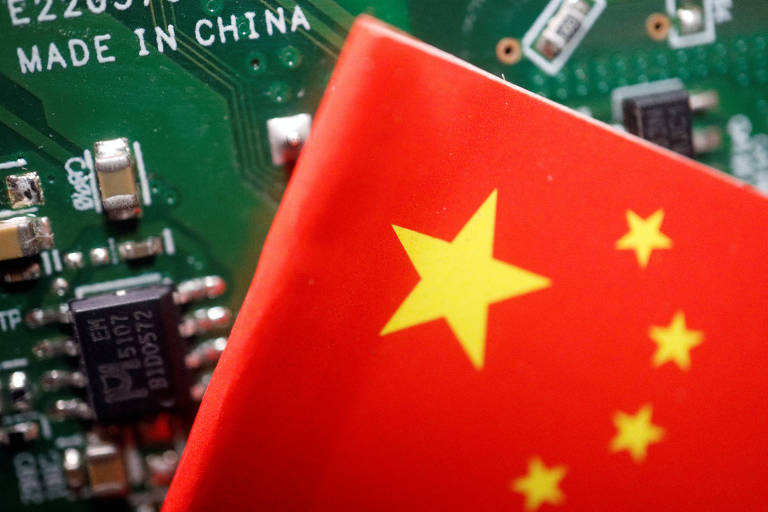
China has instructed semiconductor manufacturers seeking approval to build or expand production capacity to use a minimum of 50% domestically made equipment, three sources close to the matter told Reuters. The measure, not publicly documented, reflects Beijing’s drive to create a more self-reliant semiconductor supply chain amid tighter export controls from the United States.
China domestic semiconductor equipment
The requirement is being communicated to chipmakers during the state approval process, according to the sources. Firms must demonstrate through procurement processes that at least half of the tools and machinery for new or expanded fabs are produced in China. Requests that fall short of the threshold are typically refused, though authorities have shown some flexibility for exceptional supply constraints and for very advanced production lines where Chinese-made equipment is not yet fully available.
Beijing’s push has intensified since Washington tightened export rules in 2023, barring the sale of certain advanced AI chips and semiconductor equipment to mainland China. While those controls have prevented some of the most sophisticated tools from reaching Chinese fabs, the 50% requirement is prompting manufacturers to favour domestic suppliers even in segments where foreign equipment from the US, Japan, South Korea and Europe remains on offer.
One source said regulators would prefer the domestic share to be substantially higher than 50%, with a long-term aim that factories ultimately rely entirely on domestically produced equipment. The Ministry of Industry did not respond to a request for comment and the sources declined to be named because the rule has not been announced publicly.
President Xi Jinping has called for a whole-of-nation effort to create a fully self-sufficient semiconductor ecosystem, mobilising engineers and researchers across companies and research institutes. State-directed investment and policy measures have focused on developing the full spectrum of the chip supply chain, from materials and tools to advanced manufacturing processes.
Industry executives and former employees say the policy marks a shift from earlier practice. Historically, leading domestic foundries preferred imported equipment, but US export restrictions in 2023 left many Chinese fabs with limited options and accelerated partnerships with local equipment makers. The change has provided new business for domestic suppliers, though challenges remain in matching the performance of top-tier foreign tools for the most advanced nodes.
Regulators are reportedly more permissive for the most advanced fabrication lines, recognising that Chinese-made tools are not yet mature enough for some cutting-edge processes. Still, the policy is expected to push state-backed firms and venture-backed startups to scale production and improve technology through accelerated investment and industrial collaboration.
Analysts say the measure will deepen industrialisation of China’s semiconductor equipment sector and could shorten the timeline for producing higher-end tools domestically. However, global suppliers and governments watching the sector will likely view the policy as another step in the strategic decoupling of key technologies.
For chipmakers, the immediate practical effect is a stronger incentive to evaluate and contract with Chinese equipment manufacturers when planning capacity expansions. For the broader market, the requirement underscores Beijing’s determination to reduce reliance on foreign technology and to foster an indigenous ecosystem capable of competing on a global scale.








