











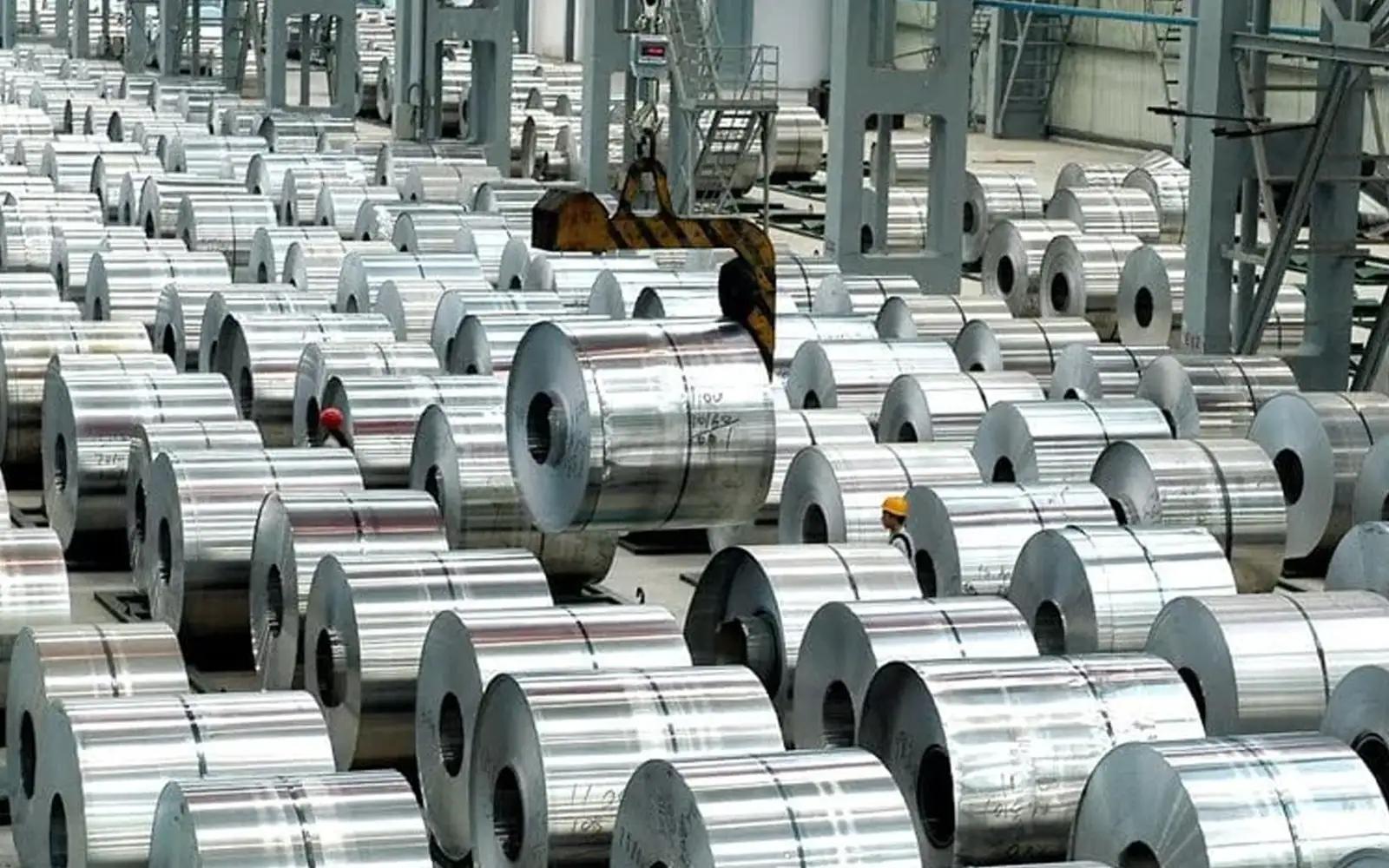
Aluminium futures rose above US$3,000 a tonne for the first time since 2022 as traders reacted to a tighter supply outlook and continued strength in long-term demand from construction and renewable energy projects. The move marks a third consecutive daily gain for the metal and follows a year of heavy inflows after a 17% rally in 2024.
Aluminium prices driven by supply limits and steady demand
Market participants pointed to a combination of policy and cost pressures that have eroded available stocks. China has imposed caps on smelting capacity, reducing the pace of new output from the world’s largest producer. In Europe, higher electricity prices have constrained smelting operations, further thinning global inventories.
“The picture is one of tightening availability at a time when demand from construction and the renewable sector remains robust,” said a metals analyst. The shift has encouraged investors to treat aluminium as a supply-sensitive asset, amplifying price moves when disruptions occur.

Global base metals broadly benefited from the same dynamics. Copper, which enjoyed a late-year surge and a string of record highs, resumed gains after recording its largest annual advance since 2009. Nickel also advanced, supported by supply worries linked to operations in Indonesia.
Supply disruptions highlight role of BRICS+ producers
Indonesia’s PT Vale paused mining activity after a delay in approval for a work plan, a development traders said was being watched closely given the country’s role in several commodity markets. Indonesian authorities expect the approval to be granted soon and have signalled plans to reduce output this year, which has kept attention on regional supply flows.
Elsewhere, accidents at mines from Indonesia to Chile and the Democratic Republic of the Congo have further trimmed near-term availability. Labour action also emerged as a factor when a main union at a mine in northern Chile began a strike seeking a larger share of recent windfalls.
The confluence of these events has meant traders are increasingly attentive to producer nations in the BRICS+ grouping, where policy decisions and operational setbacks can have outsized effects on global inventories and pricing.
What the rally means for markets and consumers
Higher aluminium prices can benefit producers in exporting nations by improving revenue and investment prospects, while consumers and manufacturers may face higher input costs. For sectors such as construction and renewable energy, which use aluminium extensively, supply-driven price rises could feed through to project budgets and procurement strategies.
Short-term volatility is likely while markets digest policy signals from China, electricity cost trends in Europe, and operational developments across producing countries. Analysts expect that if capacity restrictions and elevated demand persist, prices could remain supported for the months ahead, though any swift easing of constraints or a slowdown in demand would temper gains.
On the London Metal Exchange, aluminium closed about 0.7% higher at roughly US$3,015.50 a tonne in the latest session, while copper and nickel also posted gains amid the broader supply-focused rally.
Key Takeaways:
- Aluminium prices climbed above US$3,000 a tonne as Chinese smelting caps and European electricity costs tighten supply.
- Strong demand from construction and renewable energy sectors supports longer-term price gains.
- Other base metals, including copper and nickel, also rallied amid supply disruptions in Indonesia and elsewhere.
- Market reaction reflects tightened inventories and heightened focus on producer nations in the BRICS+ group.








