











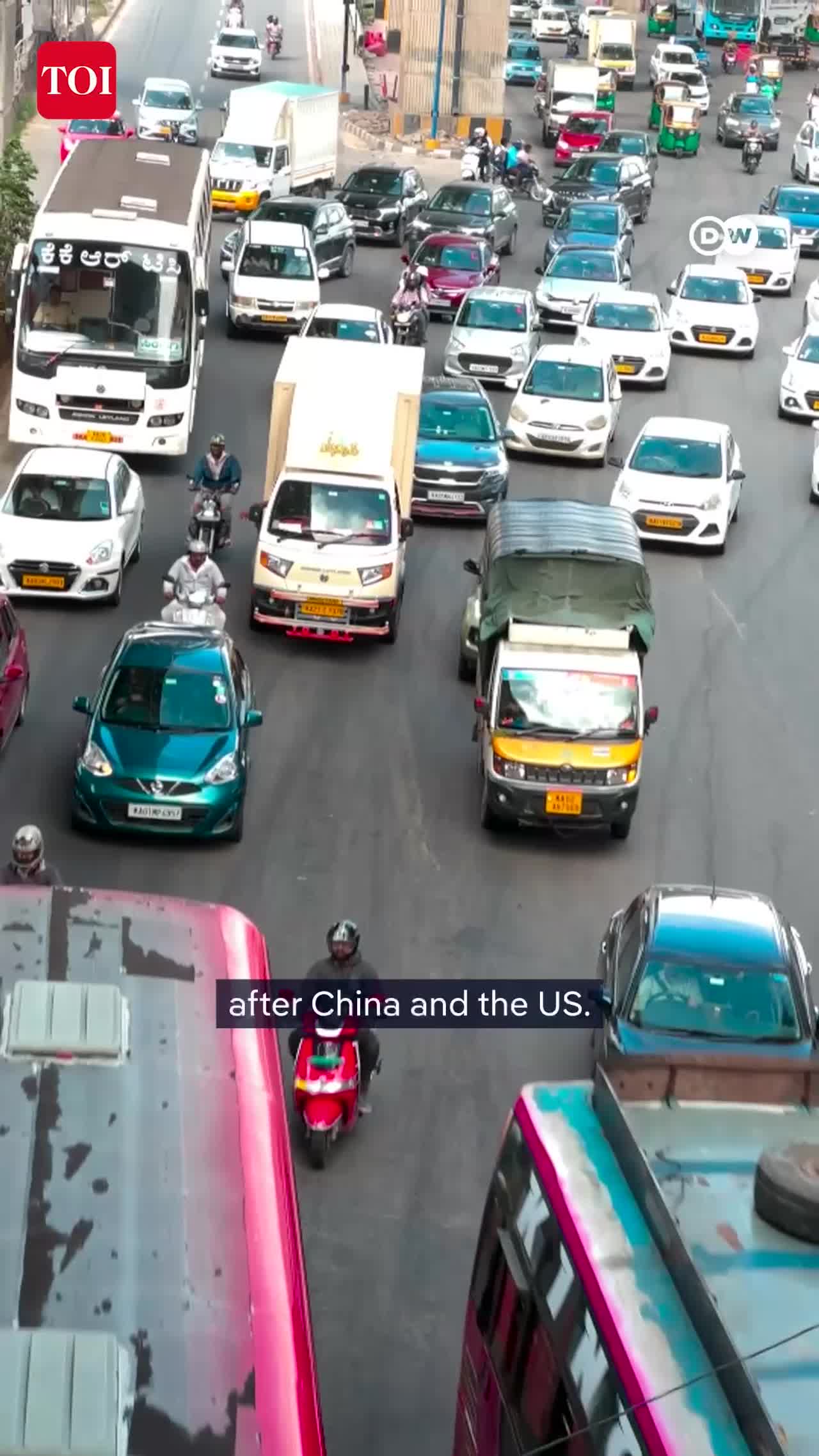
German carmakers are reassessing their global strategy after a sharp slowdown in China, their largest market. As Chinese consumers embrace electric vehicles and domestic brands gain ground, manufacturers such as Volkswagen, BMW and Mercedes are exploring new growth opportunities. India has emerged as a leading candidate, offering a large population, rising incomes and a manufacturing base that could be expanded. Yet the route to success is neither straightforward nor guaranteed.
India auto market offers scale but needs infrastructure
Interest in the India auto market is driven by its size and growth potential. Urbanisation and a growing middle class are raising car ownership aspirations, while government incentives aim to attract manufacturing investment. For German groups accustomed to scale production and high export volumes, India presents an attractive option for localisation and cost-competitive assembly.
However, India’s charging network and broader EV infrastructure lag behind China’s rapid build-out. Widespread adoption of battery-electric vehicles requires reliable and convenient charging, better grid capacity and coordinated policy on standards. German carmakers must weigh near-term prospects for internal combustion engine models against longer-term EV demand, and decide how much to invest in local charging and battery supply chains.

Local partnerships will be vital. Several automakers have already expanded joint ventures and supplier relationships in India to accelerate parts sourcing and adapt designs to local needs. Tailoring cars for Indian buyers means smaller, more fuel-efficient models and a focus on value. For premium German brands the challenge will be to preserve brand image while offering more affordable variants or alternative ownership models such as subscription services.
Plant economics favour India in some respects. Lower labour costs and a large pool of engineers can reduce production costs and speed up component development. India can also serve as an export hub to neighbouring markets if trade agreements and logistics are improved. Yet tariffs, regulatory complexity and fragmented state-level policies can raise the cost and time needed to scale operations.
Supply chain resilience is another consideration. The shift towards electrification has emphasised the importance of battery raw materials and local cell production. Germany’s carmakers must decide whether to invest in battery plants in India or rely on imports, which could expose production to global price swings and logistics risks.
Market competition will be intense. Chinese manufacturers are looking abroad and could expand their presence in India, while domestic producers such as Tata Motors and Mahindra are already developing affordable EVs tailored to local conditions. German brands must offer compelling value propositions, combining recognised engineering quality with competitive pricing and strong aftersales service.
For India to become a full-scale alternative to China, policymakers must continue to improve infrastructure, streamline regulations and incentivise EV supply chains. For German manufacturers, the choice is strategic: invest early and shape the market or adopt a cautious approach and risk losing share to more committed rivals.
Ultimately, India offers promise as a growth market for global automakers, including Germany’s, but converting potential into sustained sales will require deep localisation, infrastructure upgrades and patient investment. The coming years will reveal whether India can absorb a meaningful share of the production volumes that once flowed to China.
Key Takeaways:
- German carmakers face falling sales in China and are seeking alternative markets.
- The India auto market is drawing interest due to scale, cost advantages and rising demand for affordable vehicles.
- Significant challenges remain: charging infrastructure, localisation, regulatory hurdles and price sensitivity.
- Success will depend on local partnerships, investment in EV ecosystem and tailored products.








