











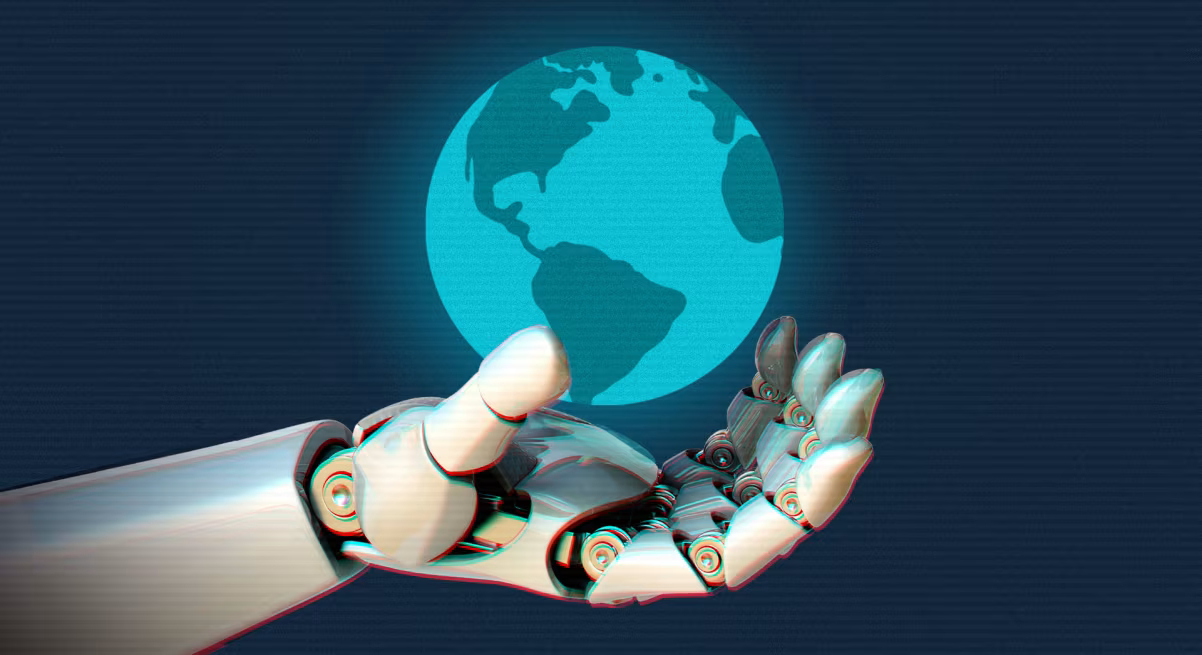
In 2025 artificial intelligence moved from a background technology to a defining force in economies, politics and daily life. Massive corporate spending on data centres and AI hardware, high-profile regulatory fights and growing reports of mental health harms showed how quickly the technology reached national agendas. The consequences touched markets, workers and international relations, including trade tensions with China.
AI impact China and global trade
China emerged as a central figure in the year’s story. US policy makers treated AI processors and chipmakers as strategic assets in their negotiations with Beijing, and trade measures reflected the technology’s geopolitical importance. The close links between American chip firms and government policy illustrated how AI now sits at the intersection of national security and commerce.
At the same time, global firms poured tens of billions into cloud infrastructure and specialised processors. Analysts from McKinsey and other consultancies forecast continued growth in data‑centre investment through 2030. That spending promises productivity gains but also raises questions about concentration: a small group of companies is driving most investment, which could increase market volatility.

Jobs, investment and market risks
2025 also saw a wave of sectoral change. Several large tech employers reduced staff as companies reorganised around AI capabilities. Some workers lost roles that were automated or restructured; others shifted into positions that require data or prompt skills. Investors questioned whether the surge in infrastructure spending matched near‑term returns, and some executives faced tough scrutiny over future profitability.
Experts say the central question for 2026 is not whether AI matters but how quickly its benefits spread and who is left behind. Economists expect more detailed indicators to appear next year, helping policy makers and businesses judge where to invest to turn AI into broader prosperity.
Mental health and safety
Beyond markets, AI chatbots brought social concerns into focus. Reports and lawsuits this year linked conversational agents to mental health episodes among young people, prompting firms to add parental controls, safety prompts and links to crisis services. Developers argue they are improving safeguards, while clinicians warn that chatbots lack clinical judgement and can hallucinate or encourage risky behaviour.
Public debate centred on whether federal or state rules should set safety standards. In the United States the executive branch moved to limit state regulatory actions, a step that will likely be tested in court and could shape how companies implement protections for young users around the world.
What to expect in 2026
Looking ahead, companies and governments will balance heavier investment with more scrutiny. For BRICS members and global partners, the issue is how to capture AI’s gains while managing social risks and strategic competition. Policymakers will consider workforce retraining, clearer safety rules and international coordination on trade and technology controls. The coming year will show whether AI’s rapid rise translates into sustained economic benefit or greater inequality and market instability.
For businesses, investors and governments, the choice is immediate: accelerate complementary investments in skills and infrastructure, or risk falling behind as the technology reshapes markets and geopolitics.
Key Takeaways:
- 2025 saw massive investment in AI and data centres, reshaping markets and jobs and highlighting the AI impact China has on global trade.
- Governments and companies grappled with regulation as AI entered national policy and diplomatic discussions.
- Mental health and safety concerns rose alongside widespread adoption of chatbots, prompting new safeguards for young users.
- Investors and firms face choices on infrastructure spending as questions about returns and job displacement persist.








