











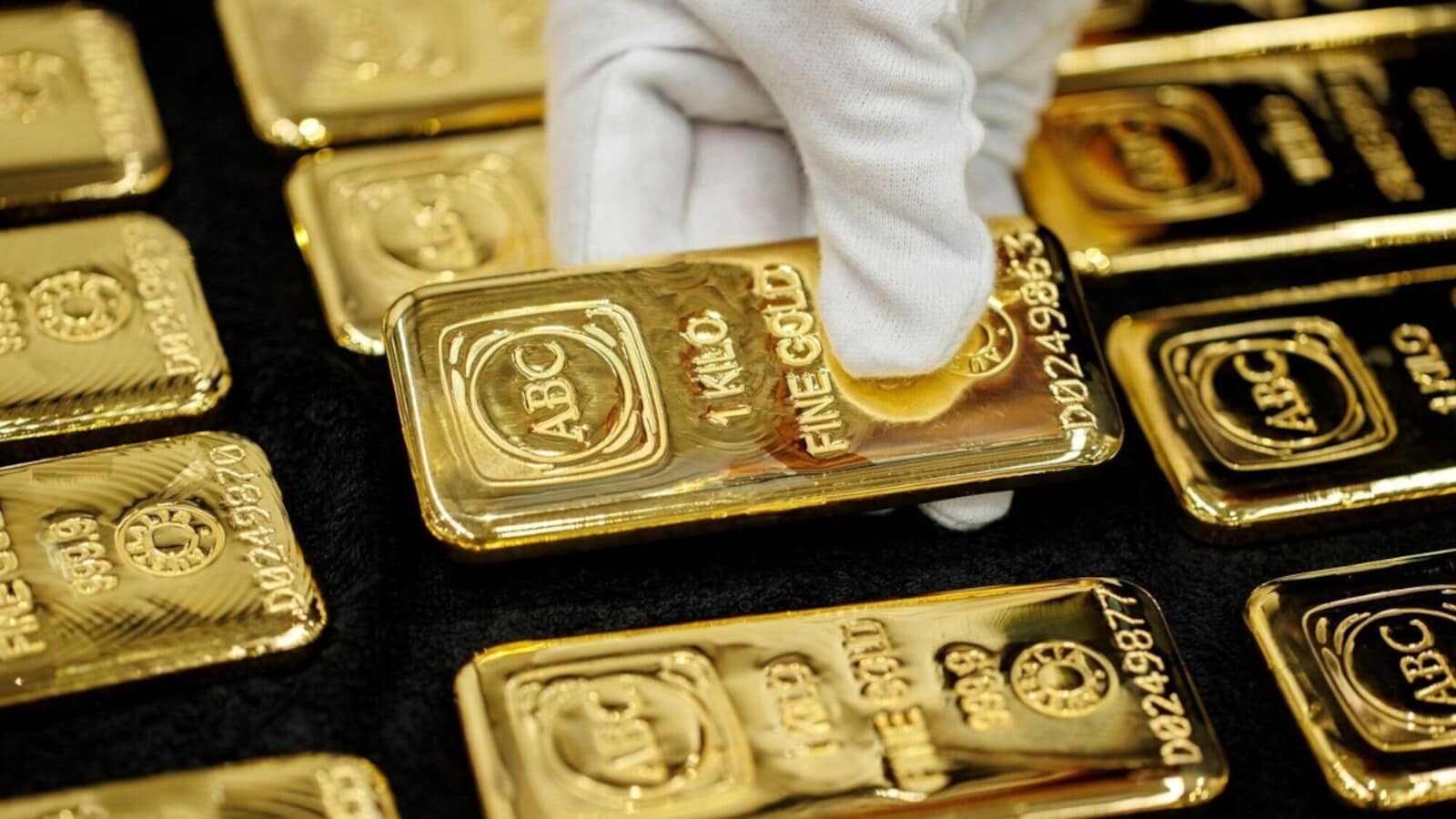
Gold capped a remarkable 2025 rally, with the international spot price peaking near $4,550 an ounce and Indian futures on the Multi Commodity Exchange surging sharply. That performance has prompted investors and policymakers to weigh whether the metal will continue to deliver in 2026.
Gold in 2026: What to watch
Analysts say the price trajectory next year will reflect a mixture of monetary policy, geopolitical strain and structural economic pressures rather than short-lived speculative moves. Ross Maxwell, Global Strategy Operations Lead at VT Markets, argues that concerns about stability and resilience in the global financial system will have a lasting influence on demand.
Central bank decisions on interest rates will sit at the centre of market attention. Lower or falling real yields tend to reduce the opportunity cost of owning non-yielding assets such as gold, supporting its case as a store of value. Maxwell notes that any move toward easier policy or renewed liquidity could increase fears of currency debasement and lift demand for bullion. Conversely, persistently higher real rates and a strong policy commitment to price stability would likely restrain sharp upside.

Inflation and government debt also remain important. Even if headline inflation eases, the risk of currency erosion can keep investors seeking protection. High fiscal deficits in advanced and emerging economies may erode confidence in fiat currencies over time and bolster gold’s role as a long-term reserve asset.
Geopolitical tensions and financial stress continue to underpin safe-haven demand. Trade disputes, regional conflicts and episodes of banking stress can drive capital away from risk-sensitive assets and into bullion. Central banks in several jurisdictions have been increasing gold reserves to diversify away from foreign currencies, which creates steady, non-speculative demand when strategic uncertainty rises.
Physical market dynamics will also matter. Shifts in consumer demand from emerging market economies — where jewellery and retail buying are significant — combined with supply constraints from slower mine development, can tighten the market and support prices. Renisha Chainani, Head of Research at Augmont, highlights the importance of sustained central bank purchases and balance-sheet flexibility in enhancing gold’s appeal as a reserve asset.
Gold versus silver
When compared with silver, gold is likely to offer more consistent defence in an uncertain environment. Maxwell says silver benefits from industrial demand and can outperform during periods of strong growth, but it carries greater downside risk in a slowdown. For investors seeking stability, gold remains the more sensible allocation.
Price outlook and strategy
Analysts expect a wide trading range for gold in 2026 rather than a straight trend. Maxwell suggests a plausible band of $3,900 to $5,000 per ounce, with upside scenarios tied to lower real rates, renewed central bank buying or intensified geopolitical stress. Chainani cites a somewhat higher range of $4,000 to $5,500 if debt concerns and geopolitical risks persist.
Both analysts urge investors to adopt a strategic, long-term approach. Gold should serve as a core hedge within a diversified portfolio rather than a vehicle for short-term speculation. A staggered investment plan can help manage volatility and align allocations with broader risk-management goals.
For market participants in India and other emerging economies, the interplay of domestic futures moves and global monetary trends will be key to navigating gold markets in 2026.
Key Takeaways:
- Gold in 2026 remains a strategic hedge as central bank buying and geopolitical risk support demand.
- Interest rate cycles and real yields will be key drivers of gold price movements next year.
- Physical demand from emerging markets and supply constraints could keep prices elevated.
- Analysts advise viewing gold as a long-term reserve and portfolio hedge rather than a short-term trade.








