











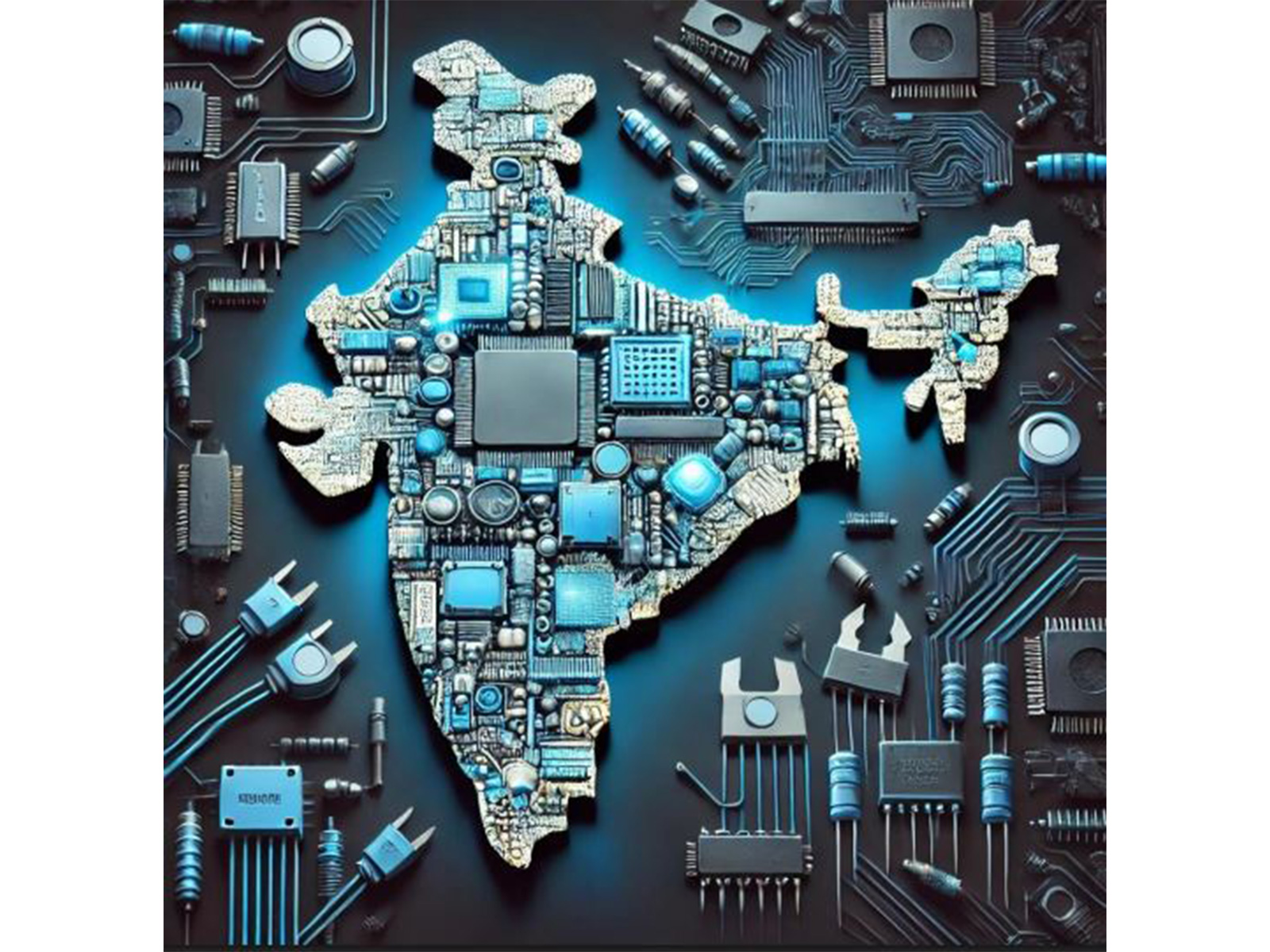
India has approved a fresh tranche of projects under the Electronics Component Manufacturing Scheme, signalling a major push to expand domestic capacity for high‑value electronic components and reduce reliance on imports. Officials said the third round of approvals covers 22 projects across eight states with a combined investment approval of Rs 41,863 crore and expected production worth Rs 2.58 lakh crore.
The scheme has so far cleared 46 applications with total investment intentions of Rs 54,567 crore. The new approvals include strategically important facilities such as the country’s first anode material plant for Li‑ion cells, a second copper‑clad laminate project for printed circuit boards, and a new aluminium extrusion plant for mobile enclosures. These additions aim to shore up upstream manufacturing and lower costs for domestic electronics producers.
India electronics manufacturing gains from ECMS approvals
Officials highlighted that printed circuit boards account for the largest share of recent approvals, with nine PCB projects among the 22 greenlit. The distribution of projects spans Karnataka, Maharashtra, Tamil Nadu, Haryana, Uttar Pradesh, Andhra Pradesh, Rajasthan and Madhya Pradesh, reflecting an effort to broaden regional industrial capacity.

Policy makers expect the scheme to deliver both import substitution and export potential. Several approvals target high‑precision mobile enclosures and other components that could position India as a global manufacturing hub for smartphones and IT hardware. Beyond finished devices, the focus on key inputs such as anode materials and laminates is designed to strengthen the domestic supply chain for battery and board manufacturing.
The ECMS is part of a wider government ambition to integrate Indian firms into global value chains and boost the electronics sector. In November, the ministry approved an earlier set of 17 proposals worth Rs 7,172 crore expected to yield production of Rs 65,111 crore. Since the scheme opened in its initial phase, it has attracted broad interest with 249 applications and projected investments of around Rs 1.15 lakh crore.
Minister for Electronics and Information Technology Ashwini Vaishnaw has described the programme as unlocking the next phase of value‑chain integration from devices to components and sub‑assemblies. Officials cited the government’s target of raising manufacturing value in electronics to USD 500 billion by 2030‑31 as a guiding objective for the scheme.
Launched with a funding allocation approved by the Union Cabinet, the ECMS aims to build resilient, localised supply chains that reduce exposure to external shocks and improve cost competitiveness. Industry sources say the presence of new upstream capacity, such as the anode material plant, should help reduce import dependence on critical inputs for Li‑ion batteries, a sector of strategic importance for consumer electronics and electric vehicles.
Market analysts noted that the concentration of projects across several states could stimulate related investments in logistics, testing and skill development. For manufacturers, the combined effect of financial support and localised inputs could shorten lead times, reduce freight costs and improve margins, helping Indian companies compete more effectively in global markets.
As approvals move from paper to production, attention will turn to timely project execution and the establishment of supplier networks. If delivery matches the approvals, the ECMS could materially strengthen India’s electronics ecosystem, reduce import dependency for several component categories and boost export competitiveness over the coming years.
Key Takeaways:
- ECMS approvals expand domestic production of PCBs, Li‑ion cells, connectors, camera and display modules, reducing import dependence.
- Third tranche clears 22 projects with Rs 41,863 crore investment and projected production of Rs 2.58 lakh crore.
- Projects include India’s first Li‑ion anode material plant and a second copper‑clad laminate facility, strengthening upstream supply chains.
- India electronics manufacturing is being integrated with global value chains to drive exports and reach a USD 500 billion manufacturing target by 2030‑31.








