











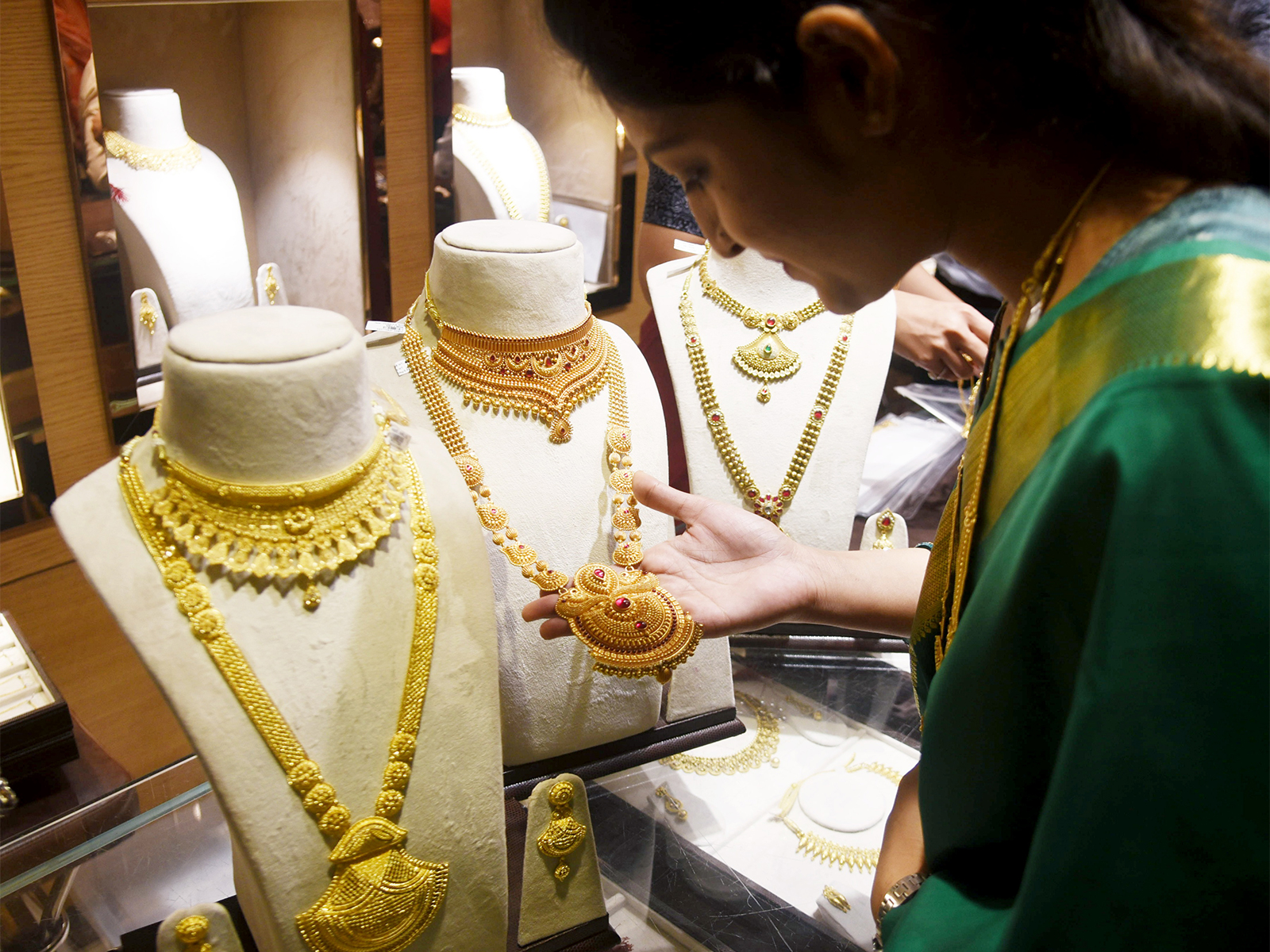
Gold is expected to remain on an upward trajectory through 2026, fueled by persistent central bank buying, growing exchange-traded fund demand and an easing US interest rate outlook, according to ING’s Commodities Outlook 2026.
gold bull run to extend amid central bank buying and ETF inflows
ING forecasts an average gold price of $4,325 per ounce next year. The report points to several converging drivers: central banks continue to add to reserves, investors are returning to gold-backed ETFs, the US dollar looks set to weaken if the Federal Reserve eases policy, and political concerns about central bank independence are keeping safe-haven demand elevated.
Central bank purchases have been especially notable in recent quarters. ING estimates that central banks bought about 220 tonnes of gold in the third quarter of 2025, up 28% from the prior quarter. Poland, China and Kazakhstan were among the most active buyers, with Poland resuming purchases after a five-month pause. The report links central bank accumulation to a desire to diversify reserves and to reduce exposure to potential asset-freezing risks following the response to frozen Russian assets.

Investment flows have reinforced the physical buying. Gold ETFs added roughly 222 tonnes in recent months, pushing global holdings close to their November 2020 peak. That inflow, combined with the prospect of lower US interest rates, has pushed real yields lower and increased the appeal of non-yielding assets such as gold.
ING also highlights political factors that could support prices. The outlook notes that President Trump’s choice for Fed chair is expected to favour lower interest rates, which would typically benefit gold through a softer dollar and reduced opportunity cost for holding bullion.
Silver also performed strongly in 2025 and is likely to remain supported in 2026. ING sees silver averaging $55 per ounce next year. The metal benefits from both investment interest as a lower-cost alternative to gold and from robust industrial demand, notably from the solar sector, electric vehicles and electronics.
On the supply side, silver faces a continued deficit. The report states 2026 will mark the fifth consecutive year of supply shortfalls, a trend driven by constrained mine output growth and rising consumption in renewable energy and electrification industries. That tightness in the physical market underpins the unchanged bullish view for silver.
For BRICS and allied central banks, the trend matters strategically as well as economically. Growing gold reserves reduce reliance on any single reserve currency and provide a hedge against geopolitical risks. Countries that have stepped up purchases are signalling a preference for diversified holdings amid global uncertainty.
For investors, the outlook suggests a dual approach. Gold remains a hedge and store of value during periods of policy uncertainty, while silver offers leveraged exposure to industrial cycles tied to the energy transition. Both metals may offer attractive risk-adjusted returns if the drivers identified by ING persist.
Overall, ING’s 2026 commodities outlook paints a picture of continued support for precious metals. Central bank buying, ETF inflows and a more favourable macro backdrop combine to sustain the gold bull run, while structural deficits and industrial demand keep silver well supported.
Key Takeaways:
- ING forecasts the gold bull run will extend into 2026, with prices averaging $4,325/oz.
- Central bank purchases, ETF inflows and expectations of Fed rate cuts underpin the rally.
- Silver is expected to remain supported at $55/oz amid persistent supply deficits and strong industrial demand.








