











India is positioning itself as a major force in global semiconductor manufacturing, with officials predicting the country will rank among the world’s top four makers by 2032 and contend for the top spot by 2035. The government says a combination of manufacturing incentives, rising design capability and a deepening talent pool will underpin the expansion.
India semiconductor ambitions drive timeline and talent
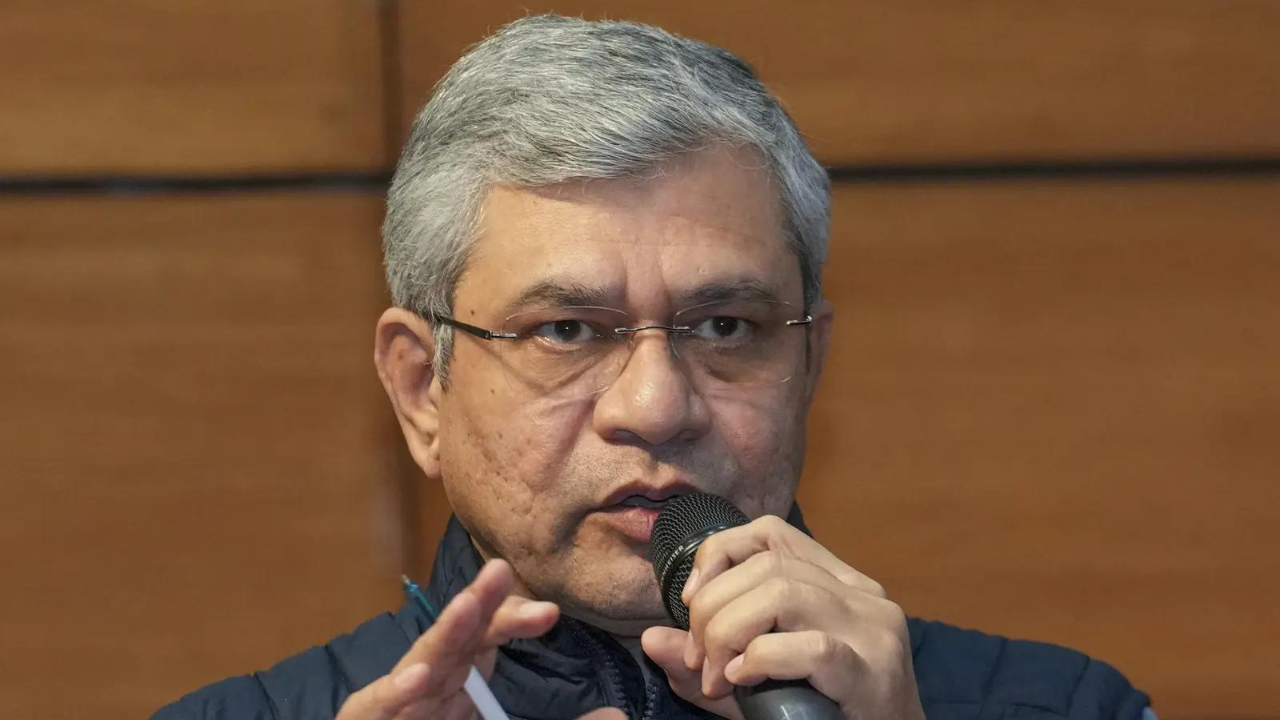
Union minister for electronics and information technology Ashwini Vaishnaw set out the timeline on the sidelines of an announcement that 22 projects worth Rs 41,863 crore had been approved under the Electronics Components Manufacturing Scheme (ECMS). He said the Semicon India Programme has already greenlit 10 manufacturing units — including two fabrication plants and eight assembly, testing and packaging units — with investments totalling about Rs 1.6 lakh crore.
Vaishnaw outlined a phased production schedule. Companies that began pilot production last year are expected to move into commercial output first, with Kaynes and CG Semi named among the early entrants. Micron has also initiated pilot runs, and the Tata fabrication plant in Assam is expected to begin pilot production by mid-year and reach commercial production by year end. The minister added that four chip companies will commence commercial production in 2026, a development that could encourage major automobile and telecom firms to source semiconductors domestically.

The drive to build capacity runs in parallel with efforts to broaden design capabilities across the country. Under the Design Linked Incentive (DLI) scheme, 24 chip design projects are being supported through startups, representing total project value of about Rs 920 crore. Vaishnaw highlighted an expanding education pipeline: students from 298 universities are now designing chips and validating their work, a level of participation he contrasted with a much smaller set of institutions globally that offer the same end-to-end experience.
Analysts say the combination of policy support, capital investment and talent development is crucial to closing the gap with established semiconductor nations. Local manufacturing could shorten supply chains, reduce import dependence and create links with domestic industries such as automotive and telecommunications, which face tight global supply conditions.
There are, however, challenges to convert announcements into sustained output. Semiconductor fabrication requires consistent power and water supplies, reliable logistics and a high degree of technical and managerial expertise. Attracting and retaining global suppliers and equipment manufacturers will remain important. The government’s programmes — ECMS, Semicon India and DLI — aim to address many of these barriers by subsidising investment, supporting design incubation and fostering university-industry collaboration.
For India, success would bring more than manufacturing capacity. Local production could spur a deeper ecosystem of component suppliers, testing facilities and specialised services, and help integrate the country more fully into the global semiconductor value chain over the coming decade. If the timeline outlined by officials holds, India could shift from a long-standing importer of chips to an increasingly self-reliant producer with growing export potential.
Vaishnaw’s roadmap remains ambitious but concrete steps are already visible: project approvals, pilot production milestones and a growing cohort of trained designers. The next years will test how quickly investment and policy convert into stable, large-scale commercial output.
Key Takeaways:
- India semiconductor ambitions aim to place the country among the world’s top four chip manufacturers by 2032 and among the best by 2035.
- Government schemes have approved 22 projects under ECMS and 10 manufacturing units under Semicon India with investments totalling over Rs 2.0 lakh crore.
- Four companies are slated to begin commercial production in 2026, while design capacity grows through 24 supported projects and 298 universities training chip designers.
- Combined talent development and manufacturing investment position India to play a decisive role in the global semiconductor value chain.








