











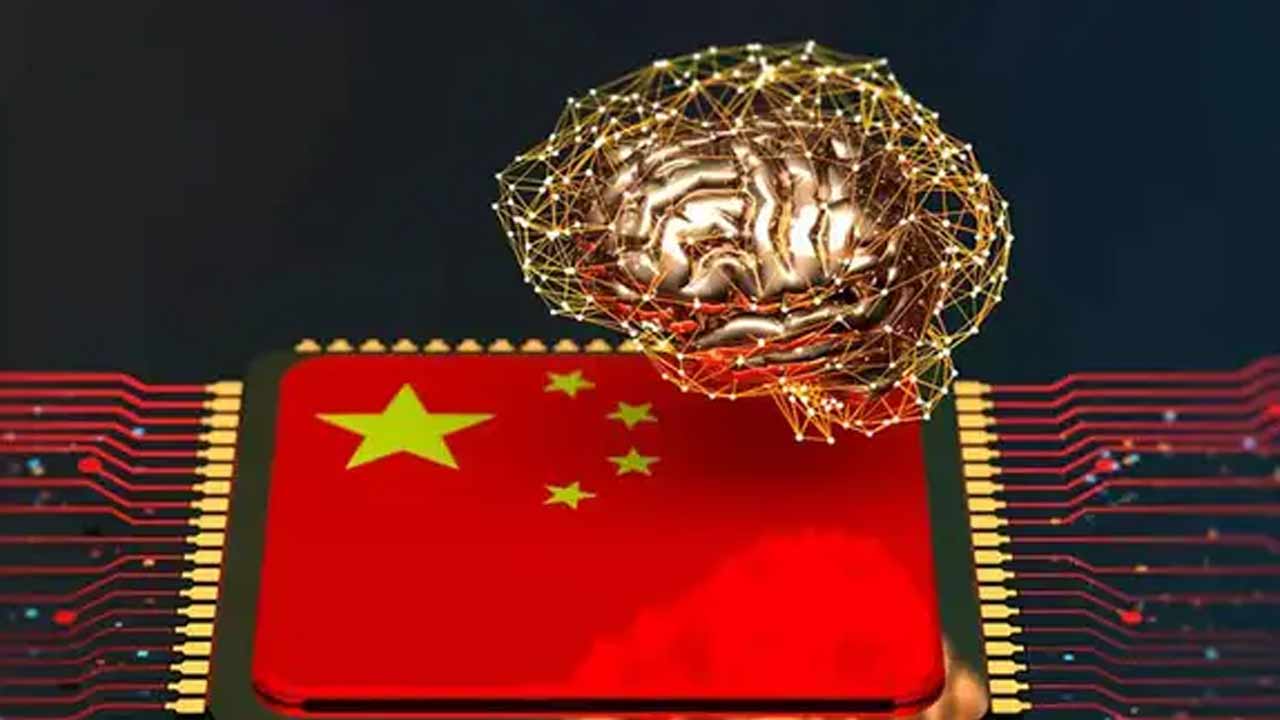
Global investors are increasingly shifting money away from Wall Street and into Chinese artificial intelligence companies as worries grow about an overvalued US tech market. The move reflects a broader reassessment of where the best returns will come from in the next cycle of technology investment.
Chinese AI investment attracts global capital
Several factors are driving the trend. Chinese firms have accelerated product development and commercial rollout of AI tools, aided by substantial state support and a consumer market that enables rapid testing at scale. Venture capitalists and institutional investors cite faster adoption in China, closer public-private collaboration and clearer near-term revenue pathways for some AI applications.
Market participants describe a mix of pull and push influences. On the pull side, Chinese AI startups and established technology groups are reporting robust user growth and new enterprise contracts. On the push side, some investors are worried about froth in US valuations and potential policy headwinds abroad. The result is a reallocation of capital that is noticeable in cross-border fund flows and in the performance of technology-focused exchange traded funds.

Chinese policymakers have also signalled support for the technology sector, offering incentives for research, talent development and commercial deployment. That backing reduces some of the negotiation friction investors face when assessing long-term prospects. In addition, the availability of large datasets, which underpin many AI models, gives certain Chinese firms an advantage in training and scaling systems for local markets.
Despite the momentum, analysts caution that the shift carries risks. Valuations can run ahead of fundamentals when capital rushes into a theme. Regulatory differences between the United States and China may produce asymmetric outcomes for investors, and geopolitical tensions raise the prospect of sudden changes in market access. Investors must balance enthusiasm for innovation with rigorous due diligence.
European and Asia-based asset managers report interest from clients seeking exposure to Chinese AI investment as part of a diversified global strategy. Some choose direct stakes in listed Chinese technology companies, while others use Hong Kong listings and local funds to gain access. This diversification approach reflects a pragmatic view that technology leadership and capital returns may emerge from multiple centres, not only the United States.
Industry experts say the next year will reveal whether this reallocation represents a structural shift or a shorter-lived rotation. For investors, key indicators to watch include regulatory announcements, the pace of enterprise uptake of AI solutions, and the trajectory of valuations in both US and Chinese markets. Whichever direction capital flows take, the episode highlights how technological competition now shapes global capital movements.
For BRICS and partner economies, a stronger Chinese AI sector can mean new business opportunities and closer technology partnerships. It also underscores the growing importance of aligning regulatory frameworks and investment channels to manage cross-border innovation responsibly. Ultimately, prudent investors will weigh potential gains against the governance and geopolitical complexities that accompany global technology investment.
Key Takeaways:
- Global investors are reallocating funds from US markets towards China amid concerns about a US tech bubble and stronger returns in Chinese AI firms.
- Chinese AI investment benefits from government backing, plentiful data access and a growing startup ecosystem.
- Shifts raise questions about valuation risks, regulatory differences and the wider implications for global capital flows.








