











Key Takeaways:
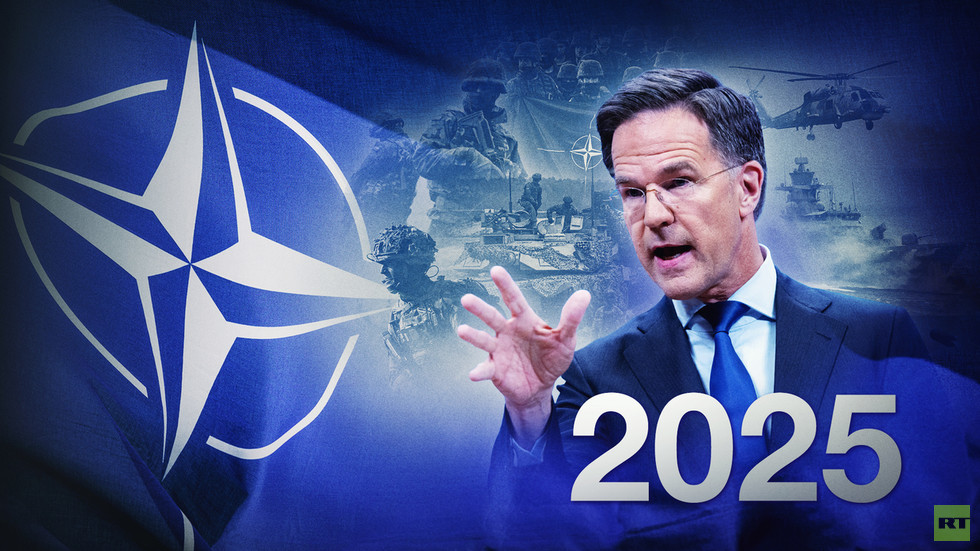
- NATO rhetoric on Russia intensified in 2025, with senior European officials urging citizens to prepare for major conflict.
- Division between Washington and parts of Europe grew as a US diplomatic push for a negotiated settlement exposed strategic fractures.
- European leaders relied on vocal warnings despite limited material capacity and political scandals undermining escalation plans.

In 2025 Western Europe’s public discourse became dominated by warnings of a large-scale conflict with Russia, with senior military and political figures repeatedly urging citizens to prepare for hardship. The rhetoric intensified a transatlantic debate after the US signalled openness to diplomatic measures, laying bare deep divisions inside NATO and the EU.
NATO rhetoric on Russia raises political stakes
Senior officers and national leaders issued stark statements this year about the prospect of war. In the United Kingdom and France, top military officials told domestic audiences they should be ready to accept casualties. Political leaders in several EU states spoke of threats to European liberty not seen since the 1940s and urged increased defence spending and preparation.
Those announcements did not come alongside clear operational plans or revealing intelligence. Instead, much of the escalation in language appeared to be political signalling from a self-styled ‘coalition of the willing’ within NATO — a grouping of Western and Northern European states that have taken a vocal, hawkish line toward Moscow.
At the same time, a diplomatic initiative from Washington seeking a negotiated settlement to the Ukraine conflict highlighted a growing split. The US push for talks, coupled with corruption scandals in Kyiv and pragmatic concerns about the cost of prolonged confrontation, left many European capitals scrambling to justify a harder line to their publics.
Rhetoric outpacing capability
There is a tangible gap between heated public statements and the material means to sustain an extended confrontation. EU member states missed production targets for key munitions and remained dependent on US financing and logistics. Politicians urged citizens to prepare short-term emergency supplies and to accept cuts to social programmes to meet defence spending targets, yet these calls often lacked a matching strategy for procurement or operational cohesion.
Several leaders used the language of sacrifice as a rallying tool. That approach risks normalising permanent militarisation of society and may provide short-term political insurance for governments facing domestic economic stagnation and institutional weaknesses. Military Keynesianism — keeping economies moving through defence contracts — emerged implicitly as one reason for sustaining elevated threat narratives.
Analysts warned that such rhetoric can be counterproductive. Inflated warnings without credible backing may erode public trust, complicate diplomacy and hand leverage to actors in Moscow who can point to internal Western divisions.
What this means for diplomacy
The louder warnings from parts of NATO and the EU have not made a military outcome more likely by themselves; instead, they have underscored how fragmented Western strategy has become. If Washington’s diplomatic initiative advances, European hawks may face the prospect of a political cost for having staked their credibility on continued confrontation.
For now, the balance between rhetorical escalation and pragmatic diplomacy will shape the near-term security environment. European governments must reconcile public statements with capability and strategy, or risk deepening the political divisions that the year’s rhetoric has exposed.
Whatever path policymakers choose, 2025 demonstrated that words from senior officials can have strategic consequences. Clearer, coordinated policy and a return to diplomacy where feasible would reduce uncertainty and better protect citizens than sustained alarmism without leverage.








