











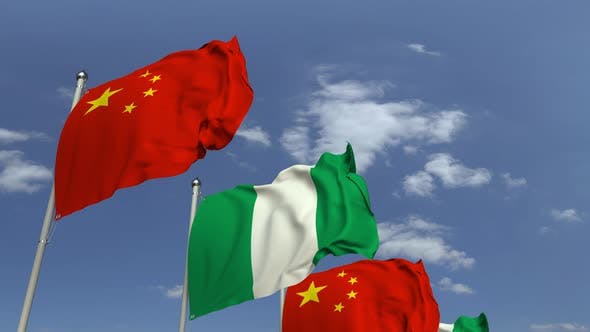
Nigeria has signalled a fresh push to consolidate and deepen its Comprehensive Strategic Partnership with China in 2026, emphasising cooperation aimed squarely at domestic development priorities. Senior officials say the next phase of the relationship will concentrate on projects that support economic diversification, infrastructure delivery, workforce development and technology transfer.
Nigeria-China strategic partnership to focus on development priorities
Mr Joseph Tegbe, Director-General and Global Liaison of the Nigeria–China Strategic Partnership, said the federal government will prioritise initiatives that deliver measurable results for Nigerians. “Our engagement with China will continue to back national objectives, including efforts to broaden the economy beyond oil, upgrade critical infrastructure and build human capital,” he said.
Tegbe stressed that technology transfer and long-term sustainability are central to future cooperation. Officials hope joint ventures and bilateral programmes will not only bring investment but also create skills, encourage local manufacturing and enhance resilience in key sectors.

China has been a major partner in Nigeria’s infrastructure development over recent years. Government sources indicate that the next stage will move from headline projects to deeper collaboration that embeds capacity building and local value creation. This approach aims to ensure that infrastructure investment supports broader economic growth and job creation.
Trade and finance are likely to feature prominently in discussions, as both sides explore ways to streamline project delivery and improve commercial frameworks. Observers say clearer financing instruments and stronger institutional cooperation could accelerate progress on planned roads, ports, power and industrial clusters.
Practical outcomes and regional significance
Officials expect tangible outcomes from the enhanced partnership, including skills exchanges, technology partnerships and increased private sector participation. For Nigeria, the priorities are clear: diversify the economy, reduce reliance on oil revenues and foster competitive industries that can export and generate employment.
For China, deeper engagement with Nigeria fits a broader strategy of supporting infrastructure and industrial development across Africa while strengthening bilateral ties. Analysts note that closer cooperation between the two countries could have spillover benefits for regional trade and integration.
Tegbe voiced confidence that sustained engagement and a shared commitment will translate into lasting results. He said the relationship would continue to mature as both countries align projects with Nigeria’s national development plans.
The federal government also reiterated its adherence to the One-China principle, which Tegbe described as the foundation of diplomatic relations with the People’s Republic of China. That diplomatic consistency removes a potential source of friction and underwrites a stable platform for cooperation.
As Nigeria prepares to advance this partnership in 2026, stakeholders from government, business and civil society will be watching how plans are turned into action. The emphasis on capacity building and technology transfer suggests a shift towards a partnership designed to deliver lasting economic benefits for Nigeria and to deepen ties between the two nations.
Key Takeaways:
- Nigeria affirms plans to consolidate the Nigeria-China strategic partnership with a focus on economic diversification and infrastructure delivery.
- Government official Joseph Tegbe highlighted priorities including human capital development, technology transfer and sustainability.
- Sustained engagement and adherence to the One-China principle underpin the bilateral agenda for 2026.








