











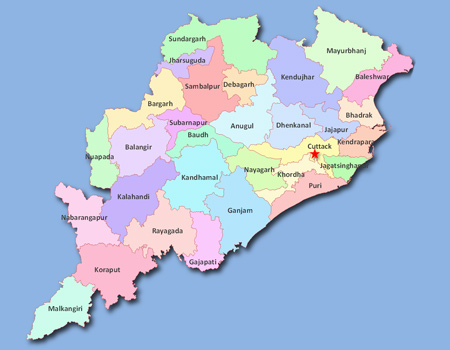
Odisha closed 2025 with a mix of strategic gains and sobering setbacks, as security forces pushed to neutralise long-standing insurgent threats while the state secured significant industrial commitments that could reshape its economy.
Odisha industrial growth 2025
The state government highlighted a transition from a mineral-based economy towards a manufacturing hub after signing two memoranda of understanding for semiconductor units worth around Rs 4,000 crore and announcing projects totalling Rs 4.38 lakh crore. Chief Minister Mohan Charan Majhi described the deals — including support for semiconductor manufacturing — as milestones that underpin Odisha’s bid to attract advanced technology investment and high-value manufacturing.
Officials said the package of projects spans infrastructure, heavy industry and technology, with incentives and land allotments designed to accelerate implementation. The ruling party credited the government’s outreach and policy reforms for the wins, while the opposition argued some headline projects had been redirected to other states, raising questions about delivery and investor confidence.

Security developments also featured prominently. State forces reported the neutralisation of six Maoist operatives, including a central committee member with a substantial bounty, and the surrender of around 22 cadres under a revised Surrender and Rehabilitation Policy that offers graded incentives. Authorities framed these outcomes as evidence of improved counter-insurgency operations and a weakening of organised left-wing extremism in several districts.
However, the year was marred by multiple tragedies and high-profile criminal cases that strained public trust. Incidents of sexual violence, including gang rapes at tourist locations, the rape and murder of a teenager, and a college student’s self-immolation after alleging harassment drew national attention and widespread condemnation. Opposition leaders blamed the government for a breakdown in law and order, citing thousands of registered cases of crimes against women during the administration’s tenure. The government said investigations and prosecutions were being pursued swiftly.
Communal and mob violence cases, including the killing of a migrant worker and attacks on Dalit individuals over cattle-related accusations, prompted civil society voices to demand stronger protection for vulnerable groups and faster police action. A stampede during the annual Rath Yatra in Puri that resulted in several fatalities led to an apology from the chief minister and calls for a review of crowd management arrangements at major religious events.
Natural hazards further tested the state’s resilience. Flooding in northern districts, unseasonal rains that damaged crops, and a close pass by Cyclone Montha highlighted the continuing vulnerability of coastal and inland communities to weather extremes and the importance of disaster preparedness.
Politics remained active: party leadership changes, a bypoll victory for the ruling party in Nuapada and continuing public interest in the health of long-serving opposition leader Naveen Patnaik kept political debate lively. Controversy also surrounded a legislative decision to raise the minimum monthly package for MLAs threefold, a move that drew sharp criticism and awaits the governor’s assent.
As Odisha moves into the new year, officials point to industrial agreements and reduced insurgent capacity as indicators of progress, while critics insist that security, justice and governance reforms must match economic ambitions if the state is to deliver inclusive and sustainable growth.
Key Takeaways:
- Odisha registered notable security gains with the neutralisation and surrender of key Maoist figures while pursuing rehabilitation incentives.
- The state attracted major industrial commitments, including two semiconductor MoUs and projects totalling lakhs of crores, signalling Odisha industrial growth 2025.
- Despite economic progress, the year saw troubling incidents of violence, crimes against women and a fatal stampede during the Rath Yatra, prompting criticism of governance.
- Political shifts, a controversial hike in legislators’ pay and natural calamities added pressure on the state administration.








